Key Takeaways
Selecting the right material requires understanding the subtle differences in manufacturing processes and structural requirements. Use this overview to ensure your next display project meets high professional standards.
- Cast acrylic offers superior optical clarity and colour consistency.
- Extruded acrylic provides a more cost-effective choice for general fabrication.
- Panel thickness directly influences the weight-bearing capacity of your structure.
- Proper edge finishing determines whether a design looks bespoke or unfinished.
- Consistent maintenance preserves the surface finish against micro-scratches.
Understanding material specifications for acrylic
Identifying the correct base material is the foundational step for any high-quality display. Whether you require clear acrylic sheets for a retail POS or a specialized panel for protection, the choice between manufacturing methods significantly affects the final aesthetic and performance outcome. Acrylic.my offers a diverse selection to ensure your project alignment is precise from the start.
Comparing cast versus extruded acrylic
Cast acrylic is created by pouring liquid monomer into plate moulds, resulting in a material that is structurally uniform and highly resistant to chemical stressors. This process ensures the product has exceptional optical clarity and is less likely to discolour over time, making it the preferred choice for detailed or high-end display work. In contrast, extruded acrylic is manufactured through a continuous pushing process, allowing for tighter thickness tolerances and reduced production costs. While it is better suited for simple bending or basic geometric forms, it holds a lower molecular weight than cast options, which can sometimes influence how it interacts with solvent adhesives.
Impact of panel thickness on structural integrity
Determining the right panel thickness is essential for ensuring that your display can remain stable under various loads. If a panel is too thin, it may bow or deflect, whereas an overly thick choice adds unnecessary weight and cost. The following table provides a general guidance range based on common display needs.
| Application Type | Recommended Thickness (mm) | Load Capacity |
|---|---|---|
| Small Signage | 2 – 3 | Low |
| Retail Shelving | 5 – 8 | Medium |
| Protective Enclosures | 10+ | High |
Selecting the correct gauge ensures that your finished display maintains its shape and security throughout its lifecycle in a commercial setting.
Managing light transmission and reflection factors
Clear acrylic is prized for its ability to transmit light, often exceeding 92 per cent, which makes it a superior alternative to traditional glass. Controlling reflection is vital when an item is showcased in a brightly lit environment, as glare can distract potential customers from the product itself. Strategies such as using matte finishes or light-diffusing acrylic layers can effectively soften the impact of harsh overhead lighting. For those requiring specific acrylic signage fabrication that avoids glare, strategic positioning and material selection are the primary tools used by experienced fabricators.
Common applications for retail and exhibition displays
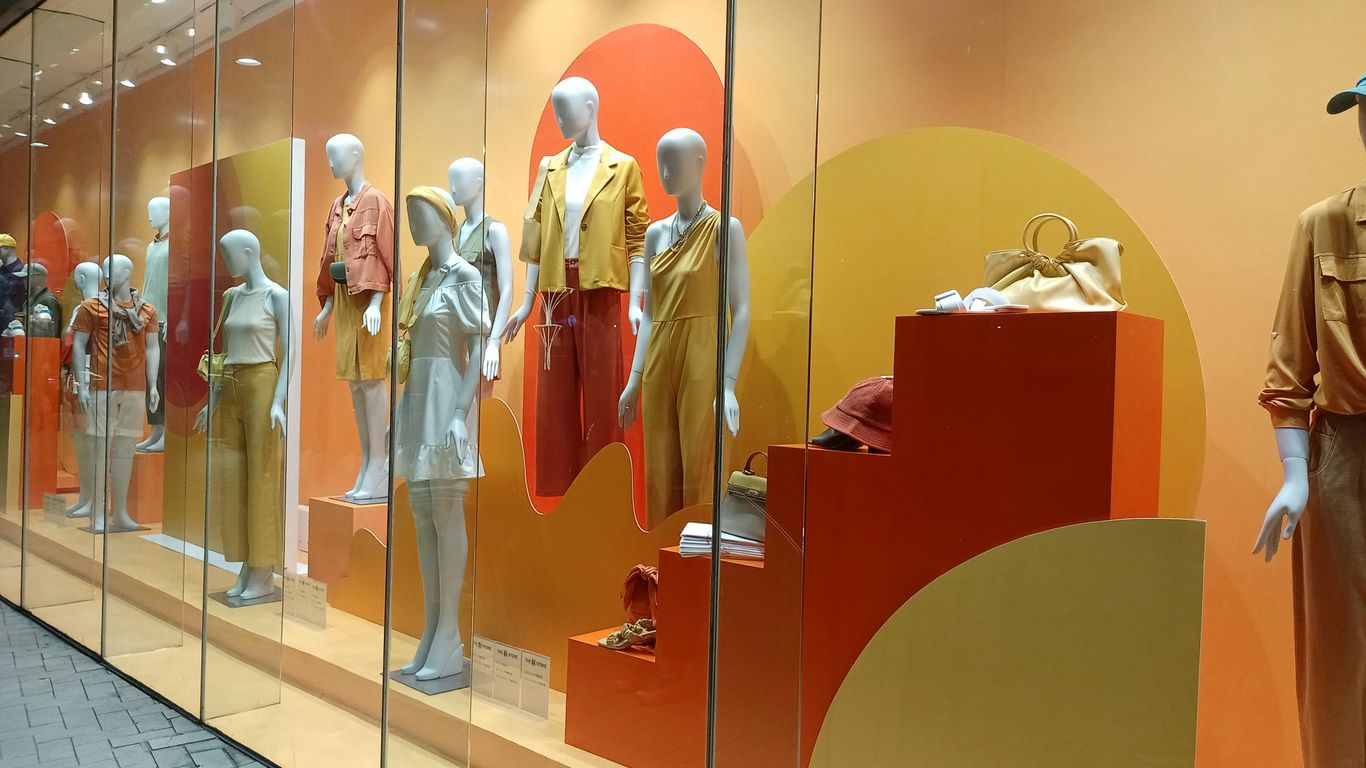
Versatility remains the defining characteristic of this material in the commercial space. From compact countertop units to expansive gallery structures, the ability to adapt to complex briefs makes it a staple for designers looking to enhance visual engagement. Whether you need a bespoke unit or a modular approach, tailoring the display to the specific goal is vital for success.
Point-of-sale units and product showcases
Creating an acrylic display case that commands attention requires a balance between invisibility and structure. Retailers often use these enclosures to draw eyes toward high-value items, allowing the product to sit at the centre of the narrative. By utilizing clean joints and minimal fasteners, the display elements fade into the background, ensuring the focus remains squarely on the merchandise within.
Museum-grade protective shielding
When protecting precious assets, clarity combined with impact resistance is non-negotiable. Shielding must provide a physical barrier that is both unobtrusive and reliable, effectively separating the viewer from the object without creating a visual wall. Modern fabrication techniques allow these barriers to be shaped into curved or angled forms that minimize internal reflections, providing a pristine viewing experience that guards against accidental contact or airborne dust.
Modular exhibition wall partitioning
Large scale exhibition spaces often require flexible wall systems that can be adjusted to changing floor plans. Modular walling provides structural division while maintaining an open, airy feel across the entire venue. Benefits of this approach include:
- Rapid assembly and disassembly for temporary pop-up stores.
- Seamless connectivity between different sections of the exhibit.
- Ability to integrate branding directly onto the surface area.
- Lightweight components that simplify transport between exhibition venues.
These systems allow businesses to adjust their presence and messaging quickly, providing a resilient solution for rotating trade shows where layout flexibility is paramount.
Design considerations for maximum visual impact
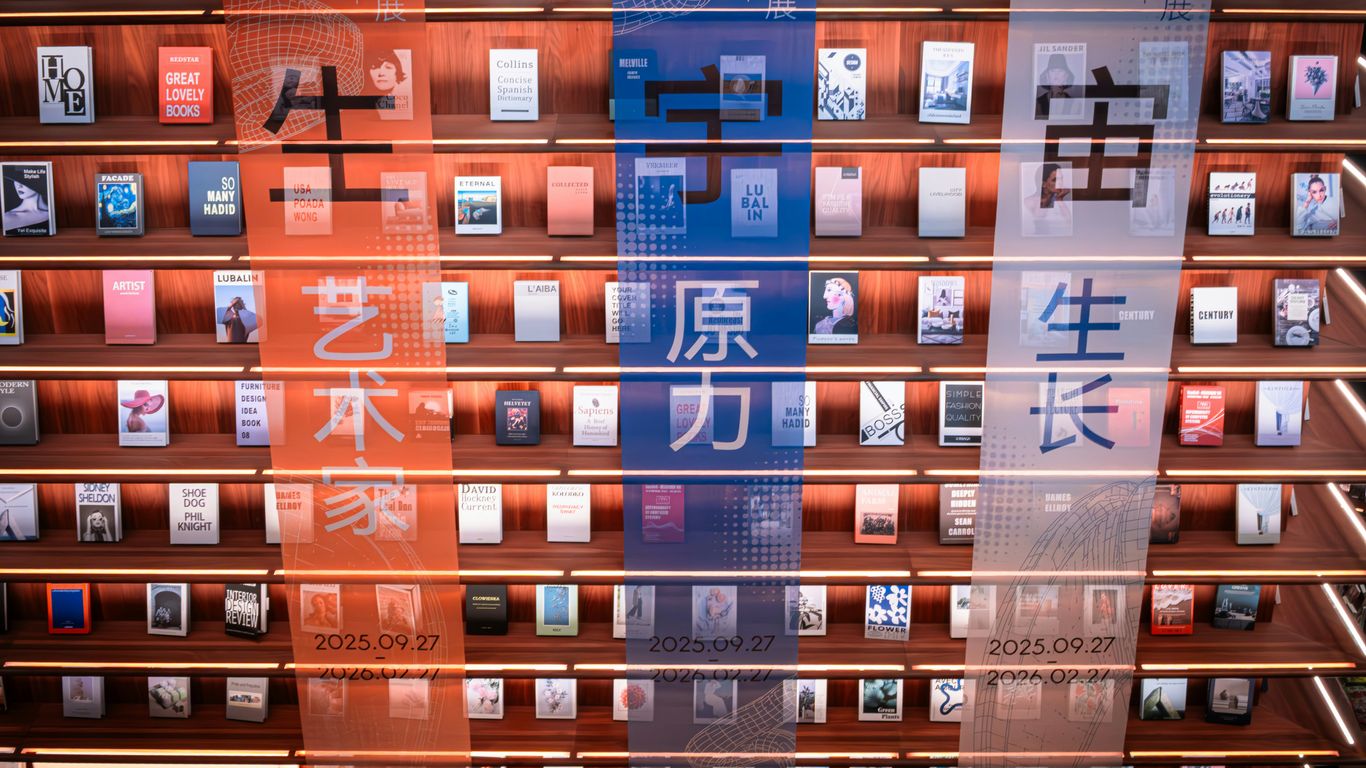
Visual impact often depends on how light interacts with the material boundaries of your display. By manipulating transparency and incorporating ambient light, you can transform a functional storage piece into a core brand asset. The design process at Acrylic.my considers these spatial dynamics to help you maximize your product’s presence.
Optimising transparency for product focus
True focus lies in how little effort the customer needs to see the product. Achieving a glass-like finish on the edges is the most effective way to ensure the display looks intentional rather than improvised. When you remove all visual clutter and focus on smooth, polished edges, the material essentially disappears to the human eye.
Integrating edge lighting for a premium effect
Embedding LED strips into the edges of your acrylic panels creates a glowing effect that highlights the shape of your display. This creates a refined, high-end feel that is particularly effective in dimly lit showrooms or during evening retail hours. By focusing the light internally, you draw attention not just to the product, but to the display itself as part of the overall brand experience.
Combining acrylic with timber or metal frames
Mixed-material displays provide a sense of grounded stability while maintaining the modern appeal of the plastic components. Combining the organic warmth of timber or the industrial sleekness of metal with clear panels creates a contrast that makes both materials stand out. Using metal standoffs is a popular way to attach these structures, providing a clean, professional aesthetic that is standard for high-traffic retail environments.
Best practices for fabrication and customisation
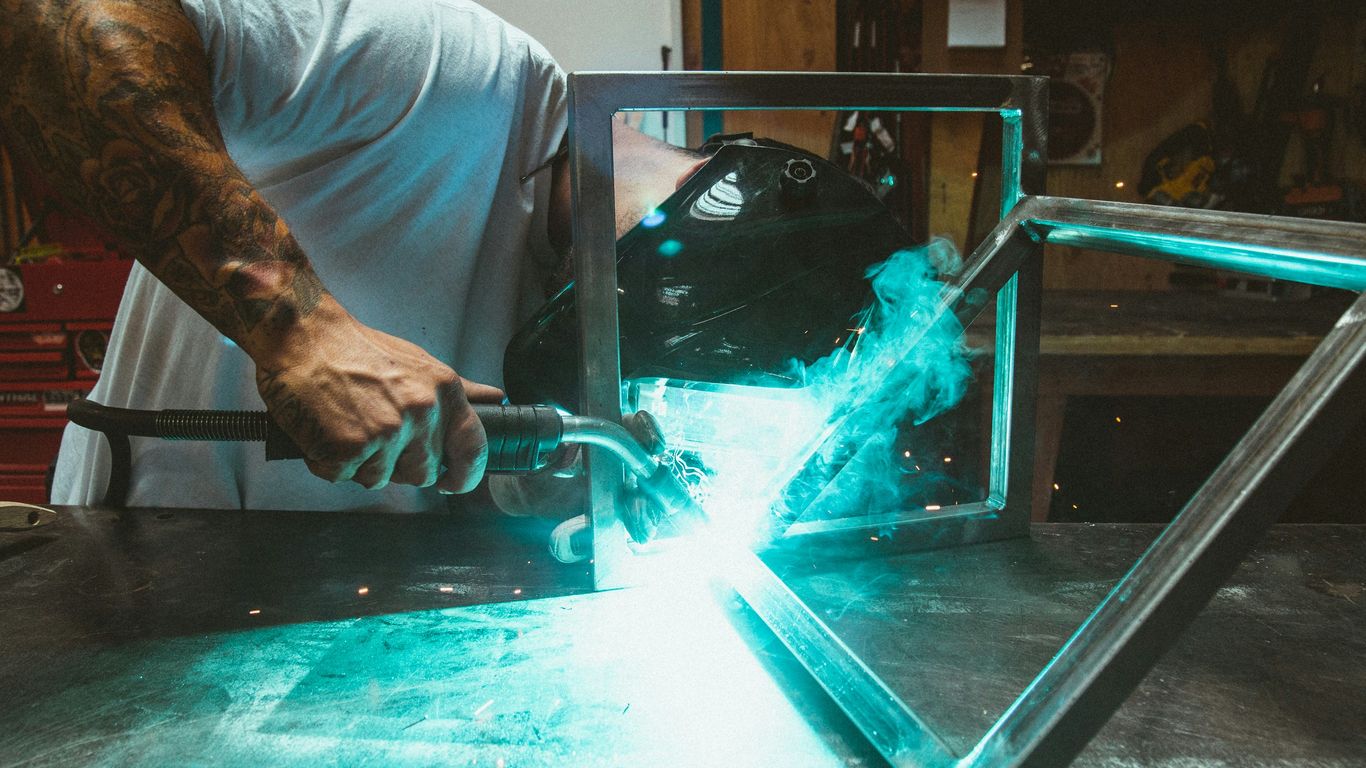
Achieving a professional result usually hinges on the quality of the finish achieved during the fabrication phase. Professionals use precision CNC fabrication to ensure every curve and straight line matches the original design specifications exactly. This level of accuracy is what differentiates an amateur DIY project from a commercial-grade installation.
Precision cutting and CNC routing techniques
Modern machinery allows for complex geometries that were previously impossible to achieve by hand. By employing a CNC router, you can create intricate shapes, logos, and cut-outs that are perfectly reproducible. This is especially useful for businesses requiring uniform signage or display components across multiple locations in Malaysia.
Flame polishing versus diamond buffing finishes
Edge finishing can take a piece from looking like a sheet of plastic to looking like polished crystal. Flame polishing is a quick method that uses heat to melt the rough edges left after cutting, while diamond buffing employs a mechanical wheel to scrape the edge smooth. While flame polishing works well on thinner materials, diamond buffing provides a more uniform, flat surface that is less likely to lose its shape on thicker display panels.
Solvent welding for seamless bonding
Instead of using mechanical fasteners that can create stress points, solvent welding fuses two parts together at the molecular level. This creates a bond that is effectively as strong as the material itself, ensuring that your display structure remains solid for years. When done correctly, the joint is transparent and virtually invisible, maintaining the continuity of the design.
Maintenance and care for long-term clarity
Maintaining the pristine look of your display requires consistent and specific care habits. Over time, surfaces can collect particles that contribute to a dull or hazy appearance.
Regular cleaning with non-abrasive cloths and specified solutions keeps your panels clear and prevents the buildup of contaminants that scratch the surface.
Following these established protocols reduces the risk of accidental damage and extends the useful life of your installation significantly.
Essential cleaning supplies and correct techniques
Using highly abrasive cleaning agents is the quickest way to ruin the surface finish of your acrylic. Instead, opt for mild soaps and dedicated essential maintenance tips that focus on gentle application. Always use a clean microfibre cloth, dabbing and swiping lightly rather than scrubbing with heavy pressure, which can embed dust into the surface.
Mitigating micro-scratches during daily handling
Micro-scratches occur when dust particles are dragged across the acrylic surface during the cleaning process. To prevent this, rinse the surface with water first to dislodge loose debris, then gently wipe. Investing in quality static-reducing sprays can also help prevent dust from settling on your product in the first place, keeping the display looking fresh between cleanings.
Reducing static electricity and dust build-up
Static charge is a natural property of acrylic, but it can be managed by using anti-static cleaners. These specialized liquids not only clean the surface but also create a barrier that prevents static from attracting further dust particles. This simple addition to your routine will keep your custom acrylic display stand looking sharp and clean with minimal effort over several months.
Installation techniques for stable display structures
Structural design must account for the environment in which the display will be positioned. Whether it is a wall-mounted piece or a heavy-duty pedestal, the setup must be stable and secure.
Choosing appropriate hardware and standoff fasteners
Selecting the right mounting hardware is crucial for wall structures. Standoffs allow you to attach panels to a surface while creating an elegant gap, which gives the display a 3D effect. Always ensure the drilling pattern aligns with the weight of the panel to prevent undue stress on the hardware or the acrylic itself.
Designing secure cantilever supports
Cantilevered designs are visually striking because they appear to float without visible support from beneath. However, they rely entirely on the strength of the joint between the shelf and the back panel. Reinforcing these connection points—sometimes with gussets or additional acrylic blocking—is necessary to ensure the cantilever remains rigid and functional for daily retail use.
Accounting for thermal expansion in large structures
Acrylic expands and contracts with ambient temperature changes, which can lead to warping if the installation does not allow for this movement. When designing large displays, leave slight gaps at the joining points or use flexible mounting holes to accommodate these shifts. Failure to account for this can result in long-term structural stability issues, particularly in environments with significant temperature fluctuations.
Conclusion
Selecting, fabricating, and maintaining clear acrylic panels requires a careful balance of material knowledge and technical skill. By applying these professional methods—from choosing the correct casting method to implementing proper cleaning routines—you ensure that your displays remain a powerful part of your visual strategy for years to come.
Frequently Asked Questions
Is clear acrylic more durable than glass for retail displays?
Yes, clear acrylic is significantly more impact-resistant and lighter than glass, making it a safer option for high-traffic retail environments where accidental bumps or drops might occur.
Does acrylic yellow when exposed to sunlight?
High-quality cast acrylic is inherently resistant to UV rays and will not yellow under normal lighting conditions, though cheaper, non-stabilized versions may show signs of discolouration after extended outdoor exposure.
Can acrylic surfaces be repaired if they get scratched?
Minor micro-scratches can often be buffed out using a plastic polishing compound and a soft cloth, although deep gouges usually require professional refinishing or panel replacement.
How much weight can an average acrylic shelf hold?
The weight capacity varies significantly based on the panel thickness and the length of the unsupported span, so it is important to calculate the load and use appropriate supports for heavier items.
Are there specific adhesives used for acrylic bonding?
Yes, professionals typically use solvent-based adhesives which bond the edges of the material together by effectively fusing them into a singular, solid component.
What is the advantage of matte finish acrylic?
Matte or frosted acrylic provides a soft, diffused look that hides fingerprints and dust much better than high-gloss surfaces, making it ideal for high-touch public areas.
Should I always use a primer before bonding acrylic?
For standard solvent welding of acrylic, primers are usually not necessary, as the solvent acts directly on the plastic itself to create a strong, clean bond without the need for additional agents.