Key Takeaways
Choosing the right material for commercial aquarium displays requires balancing optical clarity, structural needs, and long-term maintenance. Understanding how these materials perform in high-traffic environments ensures a safe and visually stunning installation.
- Acrylic offers superior design flexibility for complex shapes and custom geometries.
- Glass remains the standard for high scratch resistance in busy public areas.
- Weight differences significantly impact floor loading and installation logistics for large tanks.
- Professional maintenance and buffing protocols are vital for sustaining long-term clarity.
- Safety compliance and seismic stability must be priorities for commercial-scale aquatic installations.
Understanding the structural differences between acrylic and glass
Selecting the correct material for your installation begins with understanding how basic physics differs across materials. When comparing an acrylic tank with tradition, researchers and architects evaluate how these substances handle stress and light. Managing these trade-offs is essential for businesses seeking a durable, high-impact display that serves its purpose for years.
Chemical composition and light transmission
Acrylic is a synthetic polymer that provides exceptional light transmission, often exceeding that of glass. Because it lacks the green tint inherent in thicker glass panels, it offers a nearly crystal-clear view, which is ideal for large aquarium displays. This clarity does not diminish even as the material thickness increases, providing a consistent aesthetic experience.
Thermal expansion and structural integrity
Unlike traditional glass, acrylic reacts to ambient temperature changes by expanding and contracting. Designers must ensure that the structural framing allows for this movement to prevent cracks or seal stress. Proper engineering, including the use of high-quality custom acrylic sheets, ensures that these structural needs are successfully met throughout the life of the display.
Flexibility in design and fabrication
Acrylic allows for creative freedom that glass simply cannot match in a commercial environment. It is easily thermoformed into curves, domes, or complex geometries, allowing architects to integrate bespoke fish tanks into odd corners or curved corridors. This versatility is why many modern venues now opt for custom fabrication over rigid, rectangular glass setups.
Weight considerations for flooring and installation
Weight is a critical factor when installing massive displays in older buildings or upper-level zones. Acrylic is approximately half the weight of glass, which offers several advantages during the initial construction and setup phase:
- Reduced structural reinforcement requirements for the floor foundation.
- Easier transport and handling for large, seamless panels.
- Lower shipping costs due to the lighter material weight.
- Simplified onsite installation processes in restricted spaces.
These characteristics make acrylic a practical choice for businesses navigating limited load-bearing capacity.
Comparing visual clarity and aesthetics
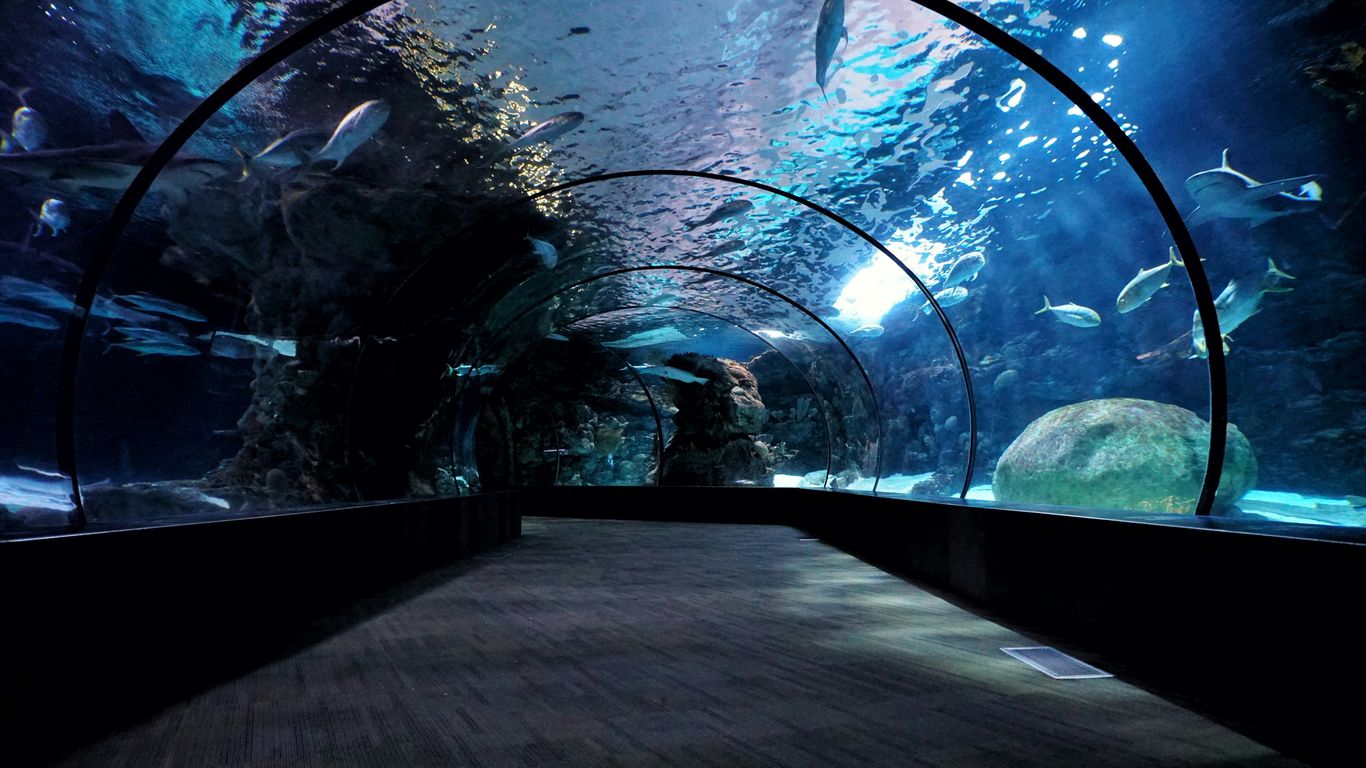
Ensuring that the viewing experience remains pristine is the primary goal for any commercial display. While both materials can look stunning when new, their optical properties fluctuate once installed in a public space. Factors like lighting and viewing angles play into which material will best represent your aquatic life.
Refractive index and distortion levels
Glass generally maintains a lower refractive index, which reduces visual distortion when viewing objects from various angles. Acrylic may require extra care during the fabrication process to ensure joints are bonded perfectly, as poor bonds can result in light diffraction that distracts the viewer. Working with an experienced fabricator ensures these details are handled with precision.
Impact of tank thickness on viewing
As tank volumes increase, the thickness of the walls must correlate to the water pressure. The table below outlines how material thickness influences clarity and support needs.
| Material Type | Strength Rating | Visibility Quality | Typical Usage |
|---|---|---|---|
| Standard Glass | Moderate | High (with tint) | Small Retail |
| Tempered Glass | High | High | Large Displays |
| Acrylic | Excellent | Superior (clear) | Bespoke Build |
Selecting the appropriate thickness is vital for maintaining the structural integrity required for high-volume commercial installations. Businesses should consult with specialists to ensure the chosen panel thickness balances safety with visual brilliance.
Polishing possibilities for a seamless look
One of the most significant benefits of acrylic is its ability to be polished after assembly. If a panel surface becomes dull or clouded, professional buffing can often restore it to its factory-perfect shine. Glass, conversely, is notoriously difficult to resurface once it has been installed.
Long-term resistance to yellowing and discolouration
Modern acrylics are treated to resist UV degradation, which helps prevent the yellowing often associated with older synthetic materials. High-quality manufacturing ensures that these displays remain clear for an extended duration, protecting the visual appeal of the exhibit despite consistent exposure to intense aquarium lighting systems.
Analysing durability and impact resistance
High-traffic zones in public spaces demand materials that can withstand accidental impact and daily wear. While acrylic is incredibly strong, it behaves differently to glass when faced with potential stressors. Selecting the right material requires an objective look at both the physical environment and the anticipated foot traffic of your guests.
Strength-to-weight ratios in high-traffic zones
In public settings, large aquarium displays often act as focal points, inviting interaction from crowds. Acrylic’s high strength-to-weight ratio allows for large, bold designs without the need for thick support pillars. This provides a highly visible viewing experience while minimizing the structural profile within the room.
Resilience against scratches and surface damage
Glass is significantly harder than acrylic, making it much more resistant to deep scratches from abrasive materials. Acrylic is softer and can accumulate micro-scratches over time if not handled correctly. However, these surface-level scuffs are often easily buffered out by a professional, maintaining the high-end look of your investment.
Seismic stability and shatterproof properties
Acrylic is inherently shatterproof, acting as a safer alternative in areas with seismic activity or in spaces where crowd control might be an issue. In the event of a high-impact collision, acrylic will typically flex rather than fracture, which mitigates the risk of catastrophic tank failure and water damage.
Mitigation strategies for long-term wear
Implementing protective barriers and clear signage helps reduce human contact with the tank surface. These simple mitigation tactics significantly extend the lifespan of the material by limiting the frequency of essential buffing or cleaning sessions, ensuring the display maintains its visual quality consistently.
Management and maintenance requirements

Effective aquarium management involves a strict maintenance schedule tailored to the specific material used. Because acrylic and glass require different cleaning tools, having a documented maintenance plan is non-negotiable for commercial facility operators. Using the wrong tool can damage the surface, leading to costly long-term repairs.
Cleaning protocols for sensitive surfaces
Acrylic requires soft, non-abrasive cloths to prevent surface marking. Avoid using harsh chemicals or ammonia-based cleaners, which can cause micro-cracking or blooming on the material surface. Using specific mild soaps, as recommended by Acrylic.my, can keep the panels in top condition.
Ease of scratch removal and professional buffing
Should the surface develop imperfections, acrylic offers a manageable recovery process. Technicians can use varying grades of abrasive compounds to buff away scratches, restoring the optical clarity without requiring a full tank replacement. This flexibility makes acrylic a reliable choice for long-term commercial installations.
Compatibility with aquatic cleaning accessories
When choosing magnetic scrubbers or specialized algae pads, ensure they are compatible with the specific surface type. Magnetic mounts for acrylic tanks feature velvet-like pads that safely clean without the abrasive materials found in standard glass cleaning pads. Keeping these separate prevents cross-contamination and accidental damage.
Long-term structural inspections and upkeep
Periodic inspections of bonds and seals are necessary for both materials. Over many years, ensure professional checks are performed to detect early signs of stress or aging in silicone and bonding agents, especially in larger builds where internal water pressure is particularly high.
Assessing costs and customisation potential
Budgeting for bespoke commercial aquariums involves both initial capital expenditure and ongoing operational costs. Acrylic often comes with a higher initial price point than standard glass due to the fabrication process, but it frequently offers better value through design freedom and easier site-specific installation.
Initial capital expenditure versus lifetime value
While glass might seem cheaper upfront, the complex logistics of moving and installing heavy, fragile panels often raise the project cost significantly. The lighter, custom-ready nature of acrylic allows for more streamlined logistics, balancing out initial costs with lower installation fees over time.
Shaping complex commercial aquarium geometries
For unique spaces, acrylic fabrication is almost always the chosen route. Its ability to be heat-bent into precise shapes allows designers to create visually striking displays that fit specific architectural requirements. This level of custom glass fish tanks architecture is rarely viable for heavy, brittle materials.
Integrated lighting and filtration customisation
Custom fabrication allows for the seamless integration of life-support systems directly into the tank structure. By designing ports, overflows, and lighting tracks during the manufacturing phase, businesses create a cohesive display that looks professional and functions efficiently, preventing cluttered external equipment.
Shipping and logistical considerations for large builds
Transporting massive glass tanks is a high-risk, high-cost endeavor requiring specialized cranes and padding. Because acrylic is lighter and durable, it is far easier to transport and assemble on-site in large modules, reducing the chances of breakage and associated liability for transport teams.
Safety considerations for public and commercial spaces
Safety is the paramount concern for any aquarium placed in a guest-accessible area. Adhering to local building codes and rigorous safety standards is not just a regulatory hurdle but a fundamental necessity for protecting both the facility and the public.
Compliance with building safety codes
Commercial projects must undergo strict reviews to ensure that all structures meet local safety and load-bearing requirements. It is widely understood among experts that professional displays are governed by specific structural engineering inputs that standard tanks do not require.
Safety is the foundation of every successful commercial aquatic project, combining proper material thickness with expert bonding and structural support.
Compliance involves working with licensed engineers to verify that the aquarium footprint respects the building’s floor limits.
Leak prevention and seal longevity
Maintaining the integrity of the aquarium seals is the most critical element of leak prevention. Using industrial-grade bonding techniques ensures that joints withstand constant pressure over many years. Regular inspections of the entire perimeter will catch potential weak points before they become a hazard, keeping the system sound.
Risk factor mitigation in public-facing locations
To mitigate risks, ensure that the display is located away from primary traffic lanes where collision might occur. Implementing physical barriers or raised viewing platforms minimizes the contact between the public and the clear panels, which preserves the material while protecting onlookers.
Insurance and liability implications
Commercial liability insurance often requires proof of professional design and regular maintenance documentation. Maintaining records of installation, safety assessments, and cleaning protocols helps verify that your business has taken all reasonable precautions to maintain a safe environment for your guests and employees.
Conclusion
Choosing between an acrylic tank and a glass system for a commercial display ultimately depends on the specific goals of your installation, from design constraints to maintenance budgets. While glass provides high scratch resistance, the acrylic approach offers unmatched flexibility, safety, and visual clarity for complex, large-scale projects, making it a powerful tool for modern business branding.
Frequently Asked Questions
Is an acrylic tank safer than a glass tank for public displays?
Acrylic is often considered safer for public areas because it is impact-resistant and shatterproof, preventing the risk of dangerous shards should an accidental collision occur.
How does the weight of acrylic compare to glass for floor loading?
Acrylic is approximately half the weight of traditional glass, which significantly reduces the structural reinforcement needed for flooring in most commercial buildings.
Can scratches be removed from an acrylic display?
Yes, one of the primary benefits of acrylic is that it can be buffed and polished by professionals, which restores optical clarity if surface micro-scratches occur.
Does acrylic yellow over time in an aquarium?
Modern high-quality acrylic is formulated with UV inhibitors that prevent yellowing, ensuring that the material maintains its transparency for many years under intense lighting.
Is custom shape fabrication possible with glass?
While glass can be custom-cut, it is much more limited than acrylic, which can be thermoformed into complex, seamless curves and unique architectural shapes.
How often should a large commercial tank be inspected?
Commercial aquariums should undergo professional inspections at least annually to verify that seals, bonds, and structural supports remain in good condition.
Which material is more budget-friendly for large installations?
While acrylic typically has a higher material cost, the total budget for a large install is often competitive due to lower shipping, handling, and foundation-reinforcement requirements.