Key Takeaways
Optimising office layouts with architectural materials improves both productivity and aesthetic appeal. Using frosted acrylic provides a versatile approach to managing light, privacy, and workspace branding.
- Frosted acrylic offers a lightweight, shatterproof alternative to traditional glass partitions.
- Proper specification of light transmission and material thickness is essential for office design.
- Modular desk screens and floor-standing panels can be customised to fit specific floor plans.
- Regular, gentle cleaning preserves the matte finish and longevity of acrylic surfaces.
- Professional fabrication services ensure precise fitment and professional aesthetic integration.
Understanding the benefits of frosted acrylic for office design
Designers increasingly lean on smart materials to balance open-plan needs with the requirement for individual focus areas in today’s workspaces. The inherent properties of these sheets allow for creative interventions that are both functional and visually clean. By choosing the right frosted acrylic, offices can achieve a sophisticated, modern aesthetic while maintaining a professional environment.
Light diffusion and natural brightness
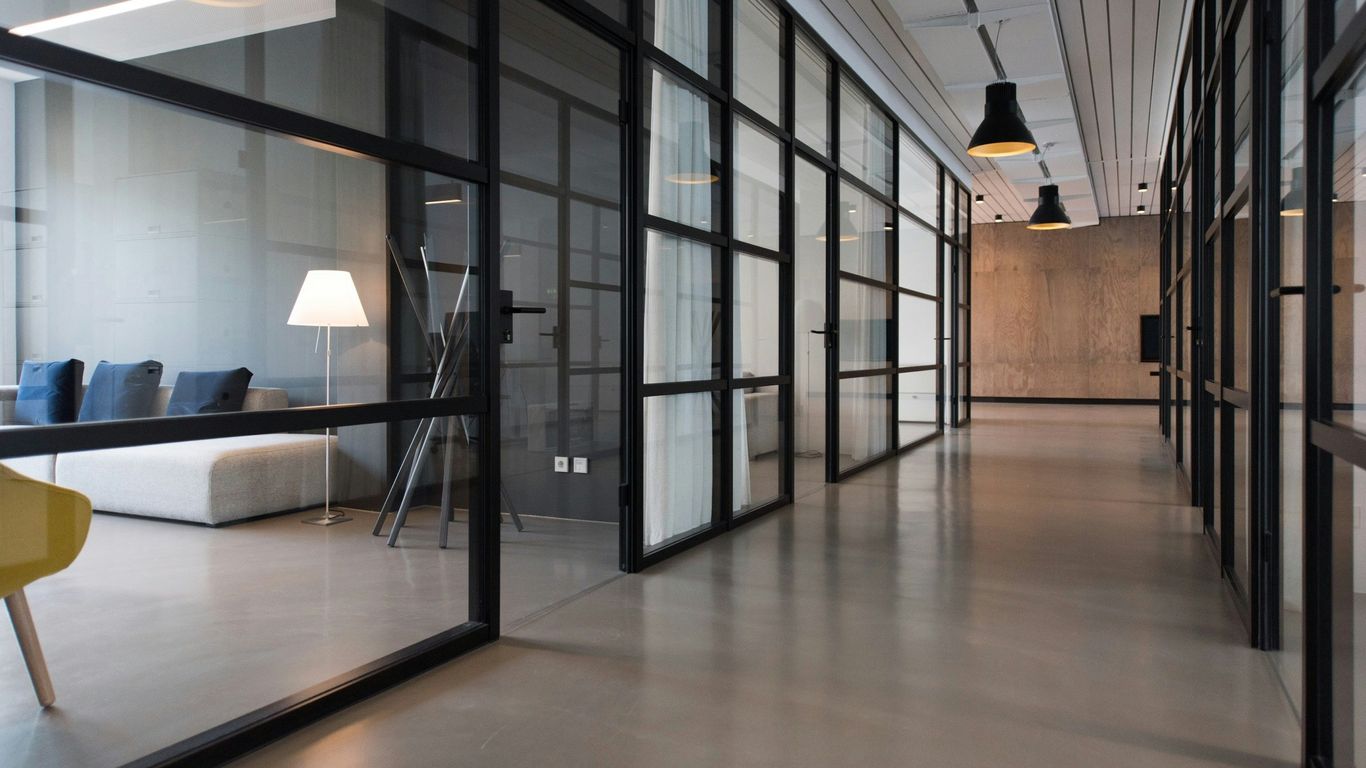
Unlike solid partitions that block light, these panels gently diffuse incoming rays. This ensures that ambient light continues to penetrate deep into the floor plan, preventing the gloomy feel associated with traditional cubicles. Natural brightness remains a cornerstone of well-being for staff throughout the day.
Durability compared to traditional glass
Safety is paramount in high-traffic office corridors where casual collisions can happen. Acrylic provides a high level of impact resistance, making it a safer option than glass. It is difficult to shatter, reducing potential hazards during unexpected workplace incidents.
Sound-dampening properties in open-plan spaces
Managing acoustic environments is crucial for sustaining focus within busy office landscapes where constant background noise can otherwise erode efficiency.
While not soundproof, these partitions contribute to breaking up noise reflections and creating a more controlled acoustic experience. When integrated strategically, they help foster a quieter, more conducive environment for deep work.
Flexibility for bespoke configurations
Every office has a unique architectural footprint that standard solutions rarely accommodate perfectly. The ability to specify dimensions means teams can customise layouts to match their specific operational requirements. Whether you are looking for custom acrylic sheets for a precise nook or a expansive partition wall, the material adapts to your vision.
Designing effective office privacy screens
Creating areas of seclusion within a collaborative space requires careful planning regarding placement and visual density. Screens serve as effective barriers that signal distinct work zones without closing off the space entirely. With the right design, an office can feel both connected and private through the clever use of acrylic desk dividers.
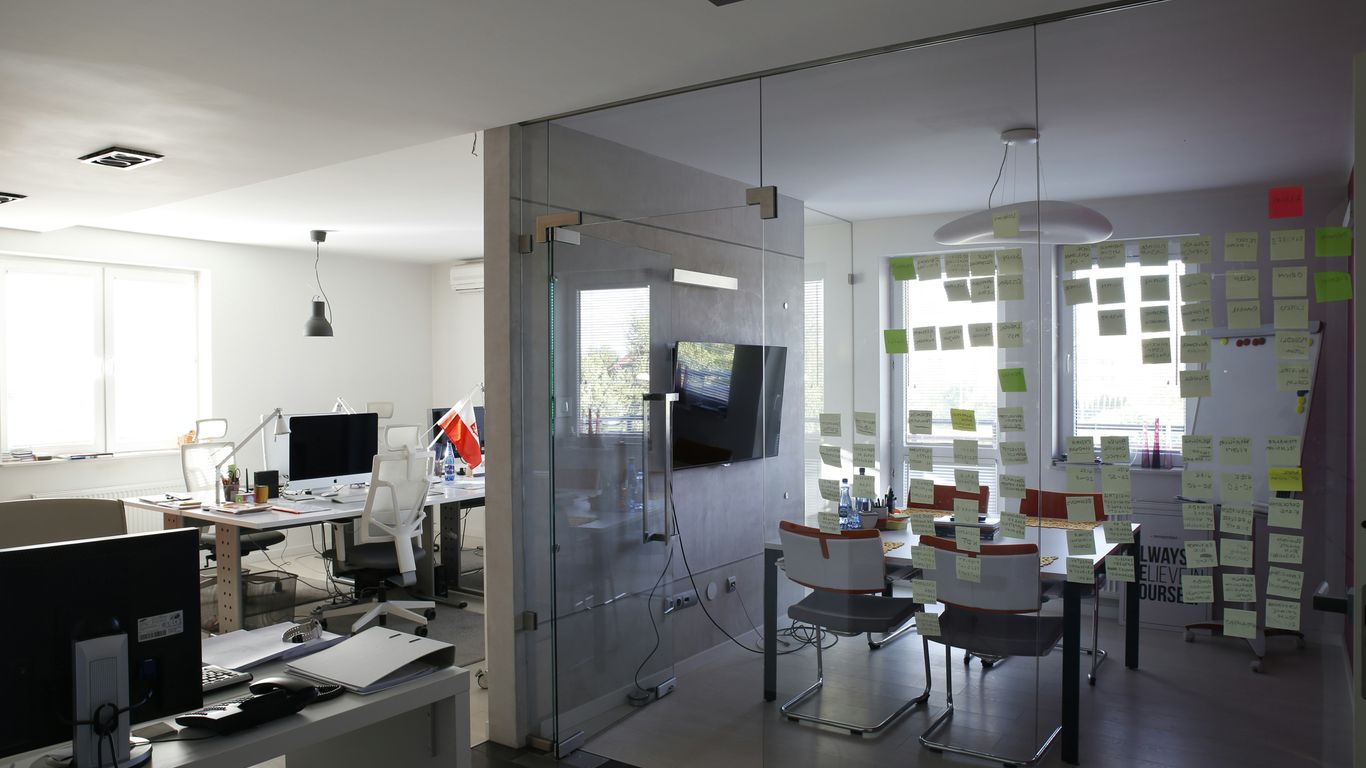
Creating floor-standing partitions for modular layouts
Floor-standing units are perfect for defining clear traffic routes through an office while providing visual separation. These units are highly versatile, easily moved to accommodate shifting team needs or reconfiguration of furniture. They offer a stable way to delineate reception areas from back-office workstations.
Desk-mounted screen solutions for focus areas
Desktop panels act as a simple but powerful tool for individual concentration. They block direct visual distractions from surrounding colleagues while maintaining a sense of openness. This allows employees to feel comfortable and distinct within a larger team pod.
Integrating branding through custom etching
Many businesses choose to incorporate their company logo or brand patterns directly into the surface of the screens. This adds a layer of professionalism and reinforces identity in public-facing spots. Precise etching creates a permanent, subtle effect that does not obstruct light or vision.
Balancing transparency for collaborative environments
Finding the right level of opacity is vital for maintaining the balance between team interaction and privacy. By selecting different levels of frosting, design teams can ensure that coworkers can see the presence of each other without experiencing constant visual disruption. This creates an environment that encourages spontaneous cooperation while respecting the need for individual space.
Incorporating frosted acrylic into modern office decor
Modern decor focuses on clean lines and tactile surfaces that improve the overall experience of the office environment. Using these panels as a design element elevates standard partitions into purposeful interior features. Many businesses utilise custom acrylic solutions to harmonize their brand with their physical environment.
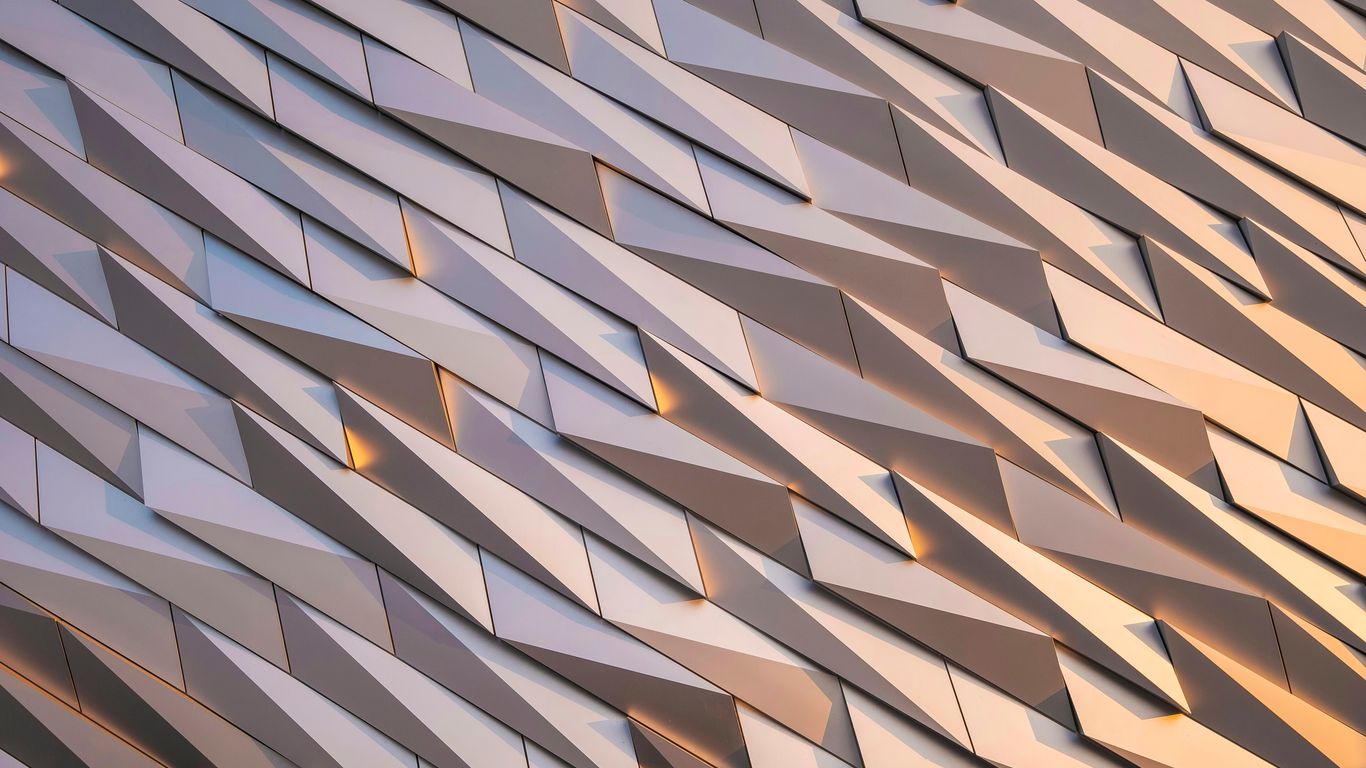
Wall-mounted feature panels and textured art
Walls can become canvases for textured art and professional displays. Large feature panels can be back-lit to create dramatic points of visual interest. These additions transform plain walls into dynamic, professional environments that impress visitors and inspire the workforce.
Bespoke frosted acrylic furniture and shelving
Utilising high-quality materials for custom furniture adds a sense of consistency and elegance to the office footprint. From sleek sideboards to floating shelves, the material integrates seamlessly into modern office aesthetics. These custom pieces are both lightweight and robust, making them ideal for changing office configurations.
Using coloured frosted finishes for brand identity
Colour can be a subtle yet effective branding tool when applied through thin films or integrated into the sheet production process. Companies often choose tinted variants that reflect their logo palette, reinforcing brand identity throughout the workplace. This approach maintains the high-design feel of frosted finishes while adding personal flair.
Layering materials for tactile contrast
Layering creates depth and interest that flat surfaces cannot provide alone. By combining acrylic with warm wood or industrial metal frames, designers create a balanced, high-end look. This contrast provides a more inviting, human-centric aesthetic that feels both modern and comfortable.
Technical considerations for installation and hardware
Properly installing these materials requires an understanding of how they respond to their environment. Ensuring that hardware supports the structural weight while allowing for necessary movement is standard practice for professional fabrication. Reliable mounting allows for long-term enjoyment of the panels in demanding commercial spaces.
Choosing appropriate fixings for glass-like application
Hardware choice determines how stable and permanent your installation feels. Using stand-offs or minimalist aluminium channels provides the clean, floating look often desired in modern offices. Selecting the right hardware ensures the screen remains secure, even in high-traffic areas.
Managing thermal expansion in large sheets
Acrylic reacts to temperature changes by expanding and contracting. This is why professional installers leave small gaps at mounting points. Ignoring this physical property can lead to warping or bowing, which distracts from the crisp, clean finish of the partition.
Precision cutting and edge-finishing techniques
Professional laser cutting is often required to achieve perfectly polished edges that elevate the final product. Smoother edges not only look better but also prevent dust from collecting. This level of finish is one advantage of choosing custom acrylic fabrication services for your interior project.
Safety considerations for high-traffic office areas
Placement should always account for human flow and potential impact points. Ensuring screens are securely fastened and that corners are rounded contributes to a safer, more worry-free environment. Strategic positioning prevents damage and ensures durability for years to come.
Selecting the right specification for your project
Choosing the right product requires matching your performance needs to your budget and aesthetic goals. There are various grades and types of material, and understanding your options ensures long-term success. A quick comparison of basic specification criteria can help guide your decision for interior screens:
| Feature | Cast Acrylic | Extruded Acrylic |
|---|---|---|
| Optical Clarity | High | Moderate |
| Thermal Stability | Excellent | Good |
| Machining Ease | High | Medium |
Understanding light transmission percentages
Light transmission is a critical measurement for determining how much privacy a screen provides. Higher percentages allow more light through for brighter spaces, while lower percentages offer denser screening. Evaluating these levels early in the planning process prevents issues with visibility after installation.
Comparing cast versus extruded frosted acrylic
Cast material is generally favoured for custom projects because it is more uniform and performs better under machining. Extruded versions are often more cost-effective for large-scale applications where high-performance optical properties are less critical. Discussing these differences with your provider helps strike the right balance for your project.
Standard and custom sheet dimensions for office use
Most providers offer a range of sizes, but custom cutting is often necessary for unique workstation configurations. Ordering pre-cut sheets reduces on-site waste and labour, ensuring that your office setup remains accurate from day one. Choosing vendors with strong fabrication capabilities is often the safest path for high-impact offices.
Assessing sheet thickness for structural rigidity
Thickness is directly linked to both cost and rigidity. Thinner sheets may be sufficient for desk-top privacy but might flex if used for floor-to-ceiling partitions. Assessing your structural needs ensures that the selected sheet thickness provides the necessary stability for every specific application.
Maintaining and cleaning frosted acrylic surfaces
Keeping your office looking sharp requires simple, regular care. Because the material is durable, a little maintenance goes a long way in ensuring it looks as good as new years later. Using the correct cleaning aids prevents the buildup of static and ensures a clean, streak-free surface.
Recommended cleaning solutions to avoid surface scratching
Always use soft microfiber cloths and mild, non-abrasive cleaners to maintain the integrity of the surface. Avoid harsh chemicals like ammonia or ethanol, which can cause micro-cracking or clouding over time. Clean, lukewarm water with a tiny drop of dish soap is usually the safest and most effective solution.
Dealing with fingerprints and greasy marks
Fingerprints are inevitable in high-traffic offices, yet they remain easy to remove. A gentle wipe with a damp cloth followed by a dry polish usually clarifies the surface immediately. Consistent attention keeps the office feeling fresh and professional.
Polishing out minor scuffs and surface imperfections
While highly resistant to damage, minor scuffs may still occur in busy environments. Light polishing compounds specifically formulated for acrylic can remove most surface-level marks successfully. Always test in an inconspicuous area first to ensure a consistent finish.
Preventative measures to prolong the matte finish
Placing panels away from deep-fryer grease in office kitchens or high-dust zones keeps them looking better for longer. Encouraging a "no stickers" policy also helps maintain the consistent, clean look of your dividers. These small habits ensure your Acrylic.my installations always look their best.
Conclusion
Choosing frosted acrylic for an office provides a balance of elegance, privacy, and long-term durability. By following these guidelines for design, installation, and care, you can create a productive workplace that reflects a commitment to quality and style.
Frequently Asked Questions
Can frosted acrylic be used in outdoor office spaces?
While suitable for many environments, prolonged UV exposure without proper treatment can cause degradation. It is vital to specify outdoor-rated materials if the screens will be in direct sunlight for extended periods to ensure longevity.
Is it possible to print directly onto frosted surfaces?
Yes, many printers can print directly onto the mat surface of the material. This is a common way to display signage or company branding, provided the ink is cured correctly according to the material specifications.
Does frosted acrylic yellow over time?
High-quality acrylic typically does not yellow when used indoors away from intense, constant UV light. Proper material selection for the specific environment ensures that the visual clarity and tone of the sheets remain consistent for years.
What is the biggest advantage of frosted versus clear acrylic?
Frosted acrylic is designed specifically to scatter light, which obscures transparency and provides a degree of privacy without cutting off access to natural illumination. Clear acrylic offers high optical transparency, which is better for displays where visibility is the main requirement.
Can I install these partitions myself?
Lightweight panels can often be installed by onsite maintenance crews, provided that they have the correct hardware and mounting knowledge. However, for complex floor-to-ceiling partitions or large integrated designs, professional installation is recommended to guarantee safety and finish quality.
How does it handle daily wear and tear?
Acrylic is more impact-resistant than glass and handles normal office activity very well. While it can be scratched by aggressive tools or sharp objects, it is resilient enough to handle standard daily operational use in professional spaces.
Is it easy to remove or relocate if the office plan changes?
Most modern installation systems are designed for modularity, allowing panels to be disassembled and moved without causing damage to the office structure. This flexibility makes them an excellent long-term investment for growing businesses that may need to scale their footprint.