Key Takeaways
Choosing a reliable partner for your project requires evaluating specific technical standards and professional reliability.
- Prioritize fabricators with advanced CNC and laser technology to ensure high edge quality.
- Review tangible portfolios to confirm the provider has experience with similar industrial or retail scales.
- Understand the full supply chain to ensure high-grade material selection matches your specific structural demands.
- Clear communication channels regarding design changes and project timelines are non-negotiable for custom production.
- Balance initial cost estimates against long-term durability and the availability of post-production support.
Evaluating technical capabilities and equipment
Finding the right partner for custom acrylic fabrication services Malaysia requires a deep dive into the underlying infrastructure. Modern shops must balance raw processing speed with the finesse required for high-end aesthetics. Whether you are creating retail displays or structural components, the hardware available to your fabricator defines the limits of what you can build.
Precision laser cutting and CNC routing services
Advanced laser cutting is essential for achieving the clean edges that high-end projects demand. A quality shop uses calibrated systems to minimize heat-affected zones, ensuring that the acrylic material remains clear and structurally sound. By checking if a shop uses laser cut acrylic technology, you can gauge whether they prioritize the detail-oriented precision required for your components. These machines allow for tight tolerances that are difficult to replicate with manual saws.
Ability to handle complex bending and fabrication
Sophisticated bending requires a deep understanding of heat application to avoid material stress and cracking. When you move beyond simple angles into curved or molded shapes, the technical burden on the manufacturer increases significantly. The table below outlines how specific fabrication techniques impact project outcomes to help you align your needs with technical capacity.
| Fabrication Method | Typical Application | Complexity Level |
|---|---|---|
| Flame Polishing | Retail Display Edges | Low-Moderate |
| Heat Strip Bending | Enclosures and Bins | Moderate |
| CNC Routing | Custom Intricate Shapes | High |
Selecting a partner capable of executing these complex bends without compromising structural integrity is vital for any custom acrylic project. Proper bending requires mastery of temperature control to maintain the aesthetic appeal of the final product.
Quality of finishing techniques like polishing and buffing
Polishing techniques are the final step in ensuring that your pieces look professional and clean. Diamond edge polishing provides a classic, transparent finish that is prized in retail, while buffing can help remove minor imperfections introduced during the cutting process. Achieving a flawless, crystal-clear surface is often the single most important detail that separates a generic product from a premium one.
Capacity for unique color, printing, and texture customization
Custom design often involves more than just clear sheets; it requires the ability to integrate color and surface depth. Whether you are looking for specific matte cast acrylic sheets or custom-printed overlays, the supplier should have robust in-house capabilities. Consider asking for the following service additions when scoping your production:
- UV-resistant coating application for outdoor installations.
- Specialized screen printing for custom brand logos.
- Texture mapping for non-glare or privacy finishes.
- Color-matching services based on international design standards.
By ensuring these features are available, you confirm that your vendor can scale their production methods to meet your unique branding or functional requirements.
Assessing experience and industry reputation
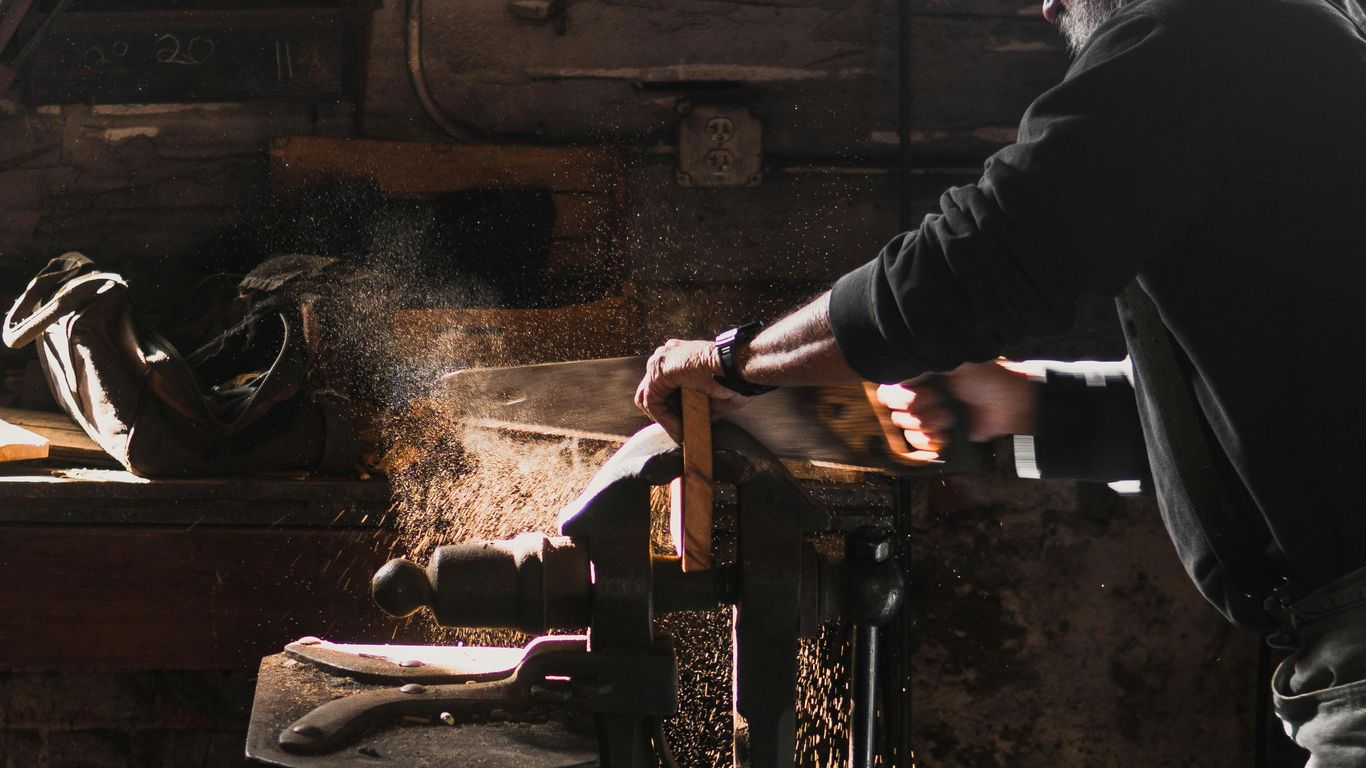
Industry reputation in Malaysia is built on years of consistency and successful project delivery. When you evaluate local acrylic manufacturers, you should look for those who have clearly documented their successful completions within your specific sector. Experience acts as a safeguard, ensuring that your fabricator has already faced and mitigated the common challenges associated with acrylic material properties in our unique climate.
Reviewing portfolios of completed local projects
Visual evidence of past work is the most reliable way to verify capabilities. Portfolios should showcase diverse implementations, from simple retail holders to large-scale structural work. Pay attention to the level of finish in their gallery shots, as this often hints at the manufacturer’s quality control philosophy.
Verifying client testimonials and track record in Malaysia
Connecting with previous clients or reviewing case studies provides insight into a fabricator’s reliability. Reputation is not just about the final price, but about the ability to handle unexpected production hurdles without failing to deliver the final product on time.
Checking industry-specific expertise for retail or industrial sectors
Different sectors have unique requirements regarding strength, material thickness, and safety standards. A specialist in retail signage, for instance, might not have the engineering experience to produce complex heavy-duty components for the industrial sector. Always clarify if the fabricator has handled projects similar in scope and scale to your anticipated requirements.
Examining adherence to international material safety standards
Material safety is paramount, especially when products are intended for public spaces or high-traffic retail environments. Ensure the provider uses high-grade materials and adheres to established standards for durability and environmental safety. This verification process prevents issues regarding structural failure or premature yellowing.
Evaluating material quality and supply chain
A stable supply chain is the backbone of any successful bespoke acrylic solutions KL project. If a fabricator struggles to source high-grade materials, your project timeline and final quality will inevitably suffer. Evaluate how they manage their material turnover and if they provide options for varying grades depending on your application’s functional needs.
Sourcing standards for high-grade acrylic and plexiglass sheets
Reliable manufacturers prioritize sourcing from suppliers who provide consistent thickness and clarity across all acrylic sheets and panels. Variations in material grade can drastically affect the light transmission and structural resilience of your final product. Request confirmation that the materials used are free from impurities that could lead to premature failure or optical clouding.
Understanding production lead times and scalability for large orders
Scaling up from a prototype to a full production run is a common point of failure. Ask about the fabricator’s capacity to handle surges in volume and what mechanisms they have in place to maintain quality control consistently. A transparent manufacturer will give you a clear schedule, including potential buffer weeks to account for material shipping delays.
Assessing local delivery logistics and secure handling of fragile items
Acrylic, while durable, is susceptible to surface scratching and breakage during transport. The logistics of moving completed pieces require specialized packaging and cautious transportation practices. Assess whether the manufacturer has established internal protocols for crating finished goods to prevent damage between their workshop and your site.
Considering availability of specialized finishes like UV resistance or scratch proofing
Specialized environmental requirements mandate the use of upgraded material variants. If your project is intended for use near windows or outdoors, you need to ensure the fabricator has access to materials that resist yellowing. Confirming the availability of custom printed acrylic sheets or scratch-resistant surfaces early in the planning phase avoids significant design pivots later.
Analyzing communication and design support

Effective project management relies on clear communication, which often begins during the initial design phase. Reliable acrylic product design support can save you from costly manufacturing mistakes by addressing design flaws before production begins. The best partners function as an extension of your own team, providing technical insights that refine your initial vision.
Availability of in-house design and prototyping assistance
Having in-house designers facilitates a much faster turnaround for prototyping. They can identify if your intended shapes are structurally viable or if they could be produced more effectively using alternative cutting paths. This collaborative approach helps prevent the unnecessary risks associated with poor design while keeping your project moving forward smoothly.
Responsiveness to technical drawings and custom project specifications
When a shop is unresponsive to your specific provided drawings, it often signals a lack of technical expertise in custom acrylic signage makers. You need a partner who explicitly acknowledges your specifications and requests clarification on ambiguous aspects. This proactive communication ensures that the interpretation of your design matches your final expectations.
Transparency in project change management and client feedback loops
Projects rarely stay perfectly aligned with initial concepts. Having an established loop for change management allows you to address necessary pivots without halting the entire manufacturing schedule. Transparency regarding how these changes affect costs is a hallmark of a professional firm.
Effectiveness of collaborative tools used during the development phase
Digital tools that allow for shared document editing or visual design collaboration help minimize errors. Using platforms that allow for real-time review of mock-ups or change orders keeps both parties on the same page. Leaders who prioritize environmental systems over individual memory avoid the trap of relying solely on one person’s capacity to da61.
Considering cost transparency and project management
Project management is the final pillar that ties technical ability to professional service. Transparent budgeting ensures that you understand exactly what you are paying for, allowing you to weigh quality against fiscal boundaries. While cost is important, it must be viewed in the context of the project duration and long-term material value.
Requesting structured quotes for complex custom acrylic orders
Detailed quotes help break down the difference between material costs, labor, and machine time. This transparency allows you to see if the quote includes specialized finishing services or if there are potential hidden surcharges for design adjustments. Always query line items that appear significantly higher than industry averages.
Identifying the balance between material quality and budget constraints
Sometimes the best material for the job is not the most expensive. A quality manufacturer will guide you toward materials that meet your structural needs without exceeding your budget. By choosing custom acrylic boxes or sheets that match your specific application, you can achieve professional results without unnecessary over-engineering.
Outlining post-production support and satisfaction guarantees
Even with the best planning, post-production questions or minor issues can arise. Understanding the scope of the fabricator’s satisfaction guarantee provides peace of mind. Knowing who to call for post-delivery support is highly valuable for large-scale installations where fine-tuning may be required.
Managing project timelines and milestone updates for time-sensitive requests
Milesones keep the project steady, ensuring that major pieces are completed in the correct order to fit your installation schedule. If a delay is inevitable, early communication and clear status updates are professional requirements. Good fabricators prioritize keeping you informed so you can adjust your own downstream plans accordingly.
Conclusion
Selecting the right partner for your custom acrylic project in Malaysia is a process of reconciling your design needs with a manufacturer’s proven technical and logistical capabilities. By evaluating a fabricator’s specialized equipment, supply chain consistency, and communication style, you ensure that your investment results in a high-quality, durable application. Remember that the most successful projects arise from a strong, transparent partnership that values both the technical precision of the fabrication and the reliability of the delivery schedule.
Frequently Asked Questions
What is the advantage of using cast acrylic over extruded acrylic?
Cast acrylic generally offers superior surface hardness, better optical clarity, and is less likely to melt during laser cutting processes. It is the preferred choice for detailed fabrication and heavy-duty structural components where precision is paramount.
How can I ensure my acrylic project will not turn yellow over time?
To prevent yellowing, look for UV-stabilized acrylic sheets, especially if the final application will be placed outdoors or near direct sunlight. Proper care and the avoidance of harsh chemical cleaners during maintenance will also contribute to maintaining material integrity over time.
Do I need a professional technical drawing for a custom project?
While a rough sketch may be enough to start a conversation, providing precise technical drawings or vector files will significantly speed up the quoting process and minimize errors. Most professional shops have a design team that can assist in refining your specifications, but having a clean starting point is highly beneficial.
How are large orders typically crated for safe transportation?
Large orders are typically packed in custom wooden crates, often with interleaving protective foam or paper between sheets and pieces to prevent surface abrasion. The specific crating method should always be customized based on the fragility and size of the individual components.
Is it possible to repair scratches on a finished acrylic piece?
Minor surface scratches can often be buffed out using specialized plastic polishing compounds and soft cloths. However, deep gouges usually require the entire panel or piece to be replaced, which is why proper protective handling during installation is so important.
What influences the overall lead time for custom acrylic projects?
Lead times are primarily influenced by material availability, the complexity of the design, and the current shop throughput. Projects requiring specialty colors, custom thicknesses, or complex multi-step fabrication will naturally require more time than simple cut-to-size orders.
Can acrylic be used for food-grade displays?
Yes, many types of acrylic are inert and suitable for use in food contact display applications, provided they do not contain toxic finishing chemicals. Always verify with your fabricator that the specific grade of acrylic is compatible with your intended food service requirements.