Key Takeaways
Laser cutting allows for precise manufacturing of acrylic products for everything from signage to industrial displays. Understanding material properties, design requirements, and finishing techniques ensures the best outcome for your project.
- Select between cast and extruded acrylic based on your engraving and cutting needs.
- Proper extraction systems are non-negotiable for operator safety when processing plastic materials.
- Vector files are essential for controlling the machine path and achieving high-fidelity shapes.
- Accounting for laser kerf directly in your design file prevents dimensional errors in final parts.
- Finishing steps like removing surface film and edge polishing significantly enhance visual quality.
The basics of laser cutting acrylic
Working with acrylic requires an understanding of how light-based energy cuts through thermoplastic polymers. Laser cutting gives fabricators the ability to create complex shapes with high repeatability, making it a cornerstone for custom acrylic projects.
Understanding how CO2 lasers interact with acrylic
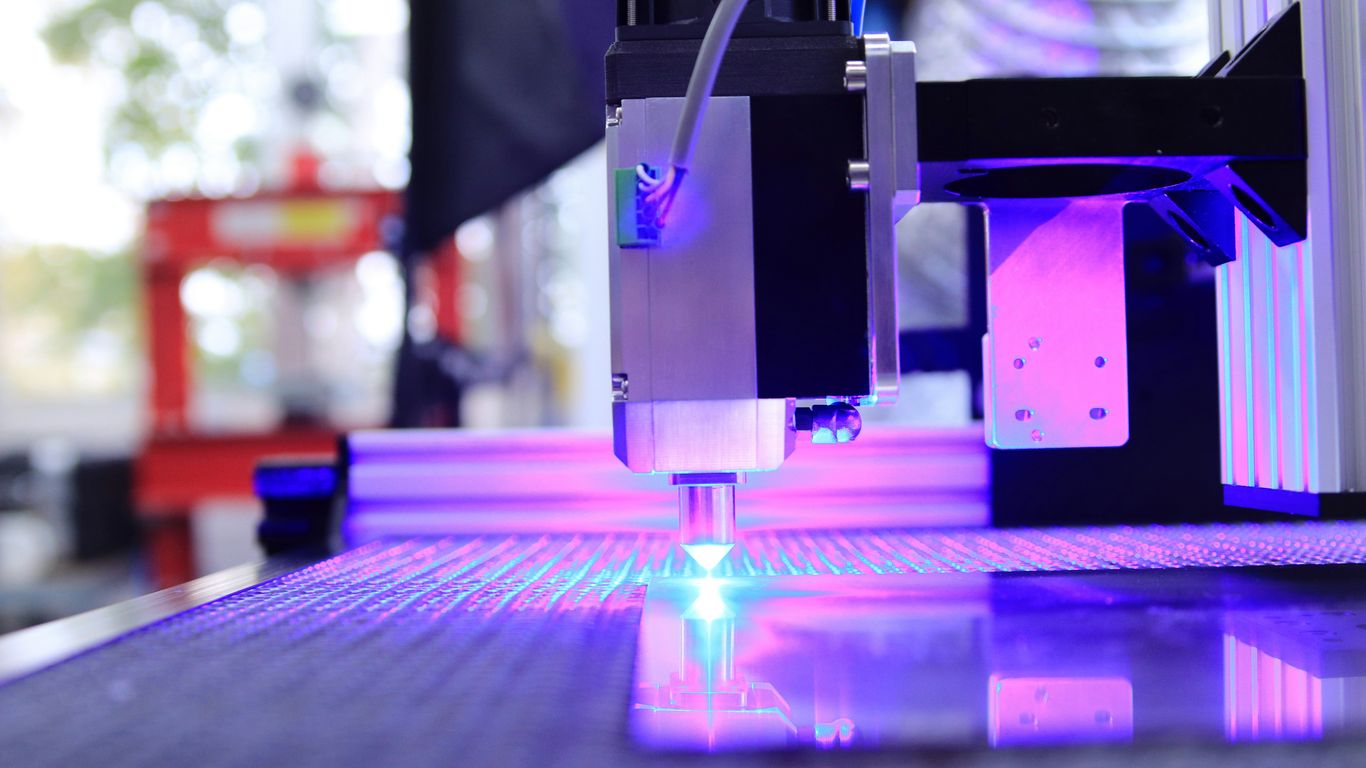
CO2 lasers operate at a 10.6-micron wavelength, which is ideal for absorbing thermal energy into clear and coloured acrylic sheets. Unlike diode lasers that often pass through transparent materials, the CO2 beam vaporises the acrylic, resulting in a clean melt that can produce precision acrylic cutting results without the need for secondary shaping. This interaction allows for intricate details that manual tools cannot easily replicate.
Cast versus extruded acrylic: key performance differences
Choosing the right material is vital because cast and extruded varieties behave differently under a laser beam. Cast acrylic, which is produced by pouring liquid monomer into moulds, is highly sought after for its ability to produce a frosty, high-contrast finish when engraved. In contrast, extruded acrylic is stretched to size, making it more uniform in thickness but less responsive to engraving, as it tends to remain clear. We often advise clients at Acrylic.my to consider acrylic laser engraving capabilities when selecting their sheet stock to ensure the final visual effect matches their design intent.
Safety considerations and proper extraction and ventilation
Operating laser equipment demands robust safety measures, particularly when burning plastics that can release volatile organic compounds. Proper air extraction and filtration are mandatory to remove fumes and prevent them from settling back onto the material surface. Maintaining a clean and ventilated environment protects both the integrity of the acrylic fabrication services and the health of the operator handling the equipment.
Essential design principles for acrylic projects
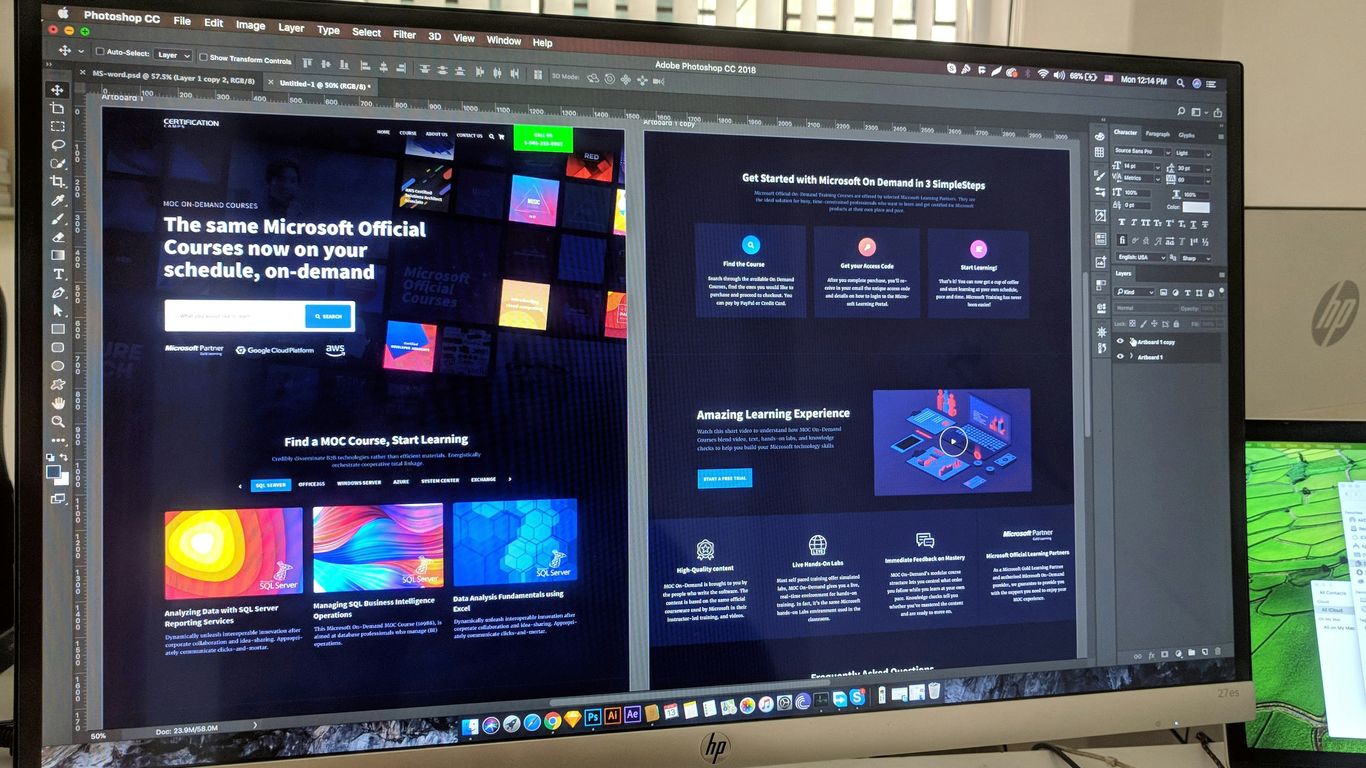
Developing strong acrylic designs starts long before the machine is switched on. By focusing on proper file structures and physical constraints, designers can ensure that their work translates perfectly from the screen to the finished physical form.
Creating effective vector file formats for cutting
Laser machines rely on paths defined by vector software to trace lines and shapes. Lines that need to be cut through must be distinct from vectors intended for engraving. A well-prepared file is essentially a blueprint for the laser, and using proper grouping and layer naming helps ensure that the machine interprets every curve and corner as intended.
Accounting for the laser kerf in your designs
The laser beam removes a small amount of material as it travels, known as the kerf, which usually measures about 0.1mm to 0.2mm depending on the focused optics. If you do not compensate for this material loss, your joints and interlocking parts will end up slightly looser than designed. When designing for custom acrylic designs, engineers must adjust their digital files to account for this gap to maintain the integrity of complex assemblies.
Combining engraving and through-cutting techniques
Many projects benefit from layering visual information on top of a cut shape, such as logos or decorative etching. The table below outlines how these two operations generally affect materials differently in a production environment:
| Operation Type | Typical Intensity | Visual Outcome | Best Material |
|---|---|---|---|
| Vector Cutting | High Power, Low Speed | Clear, smooth edges | Cast Acrylic |
| Surface Engraving | Low Power, High Speed | Frosty, white detail | Cast Acrylic |
| Deep Etching | Medium Power, Multiple Passes | Textured, matte finish | Extruded Acrylic |
After ensuring the settings are calibrated for each operation, the machine creates a seamless transition between the engraved surface detail and the clean, through-cut frame.
Practical applications and project ideas
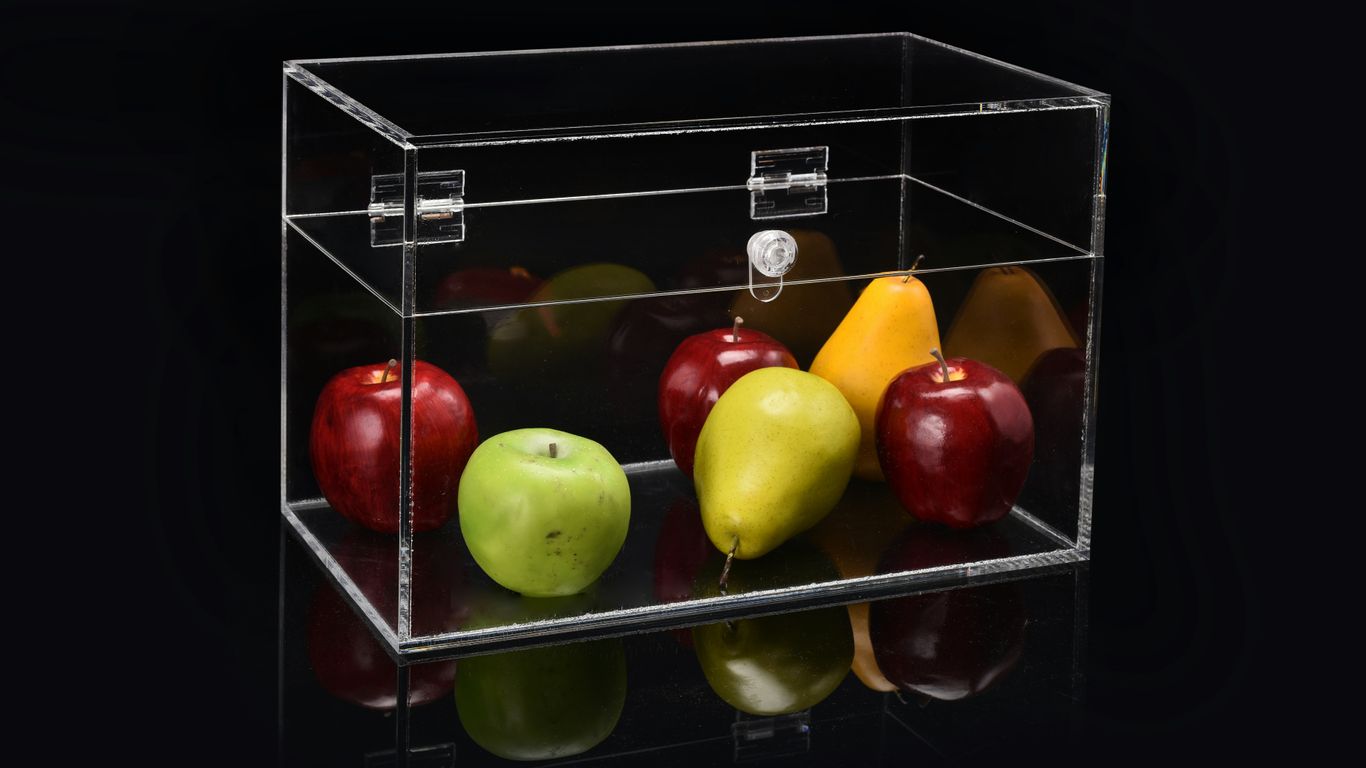
Acrylic is a remarkably versatile medium, serving aesthetic and functional roles across various sectors. Its clarity and ability to mimic glass while offering superior shatter resistance make it a staple in modern creative and commercial work.
Creating custom signs and architectural lettering
Retail spaces and offices frequently utilise custom acrylic laser-cut sign letters for branding and wayfinding. The material’s ability to be finished in various colours and thicknesses allows for bold, professional branding that remains durable in high-traffic environments. From large lobby displays to focused desk nameplates, the versatility of this method is immense.
Designing bespoke jewellery and fashion accessories
Lightweight but durable, acrylic is perfect for creating unique jewellery pieces, including earrings, pendants, and hair accessories. Because the laser can navigate complex, small-scale shapes, creators can develop pieces that would be nearly impossible to hand-carve. The ability to use different finishes, such as mirror or pearlescent, makes unique acrylic projects accessible for small studios and individual artists.
Developing functional prototypes and display components
Beyond aesthetics, acrylic components serve structural roles in prototyping products and designing point-of-sale displays. Projects often require acrylic displays that are both sturdy and transparent, providing a clean look for products without obscuring them. By using smart assembly techniques, one can build complex modular systems that are easy to store or transport.
Optimising machine settings for high-quality finishes
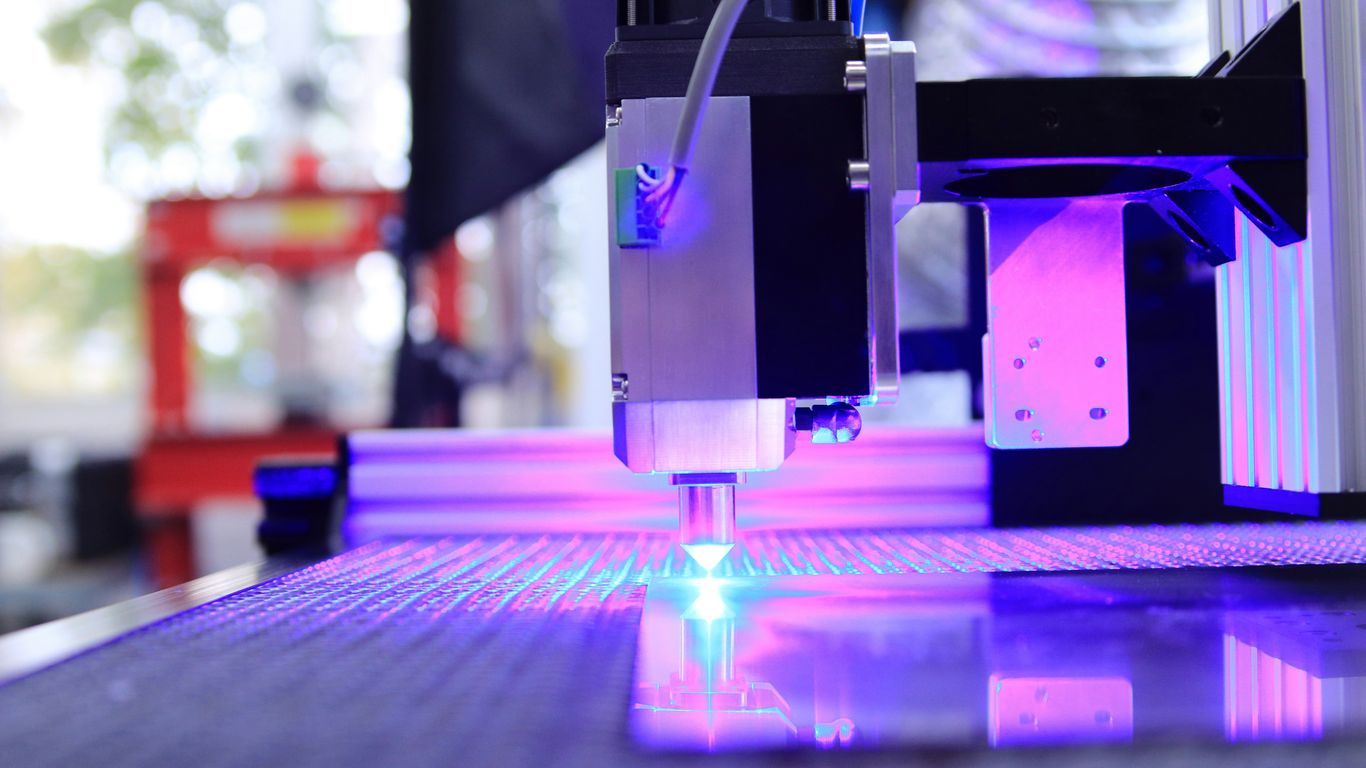
Achieving that signature glass-like finish on an acrylic edge requires precise balancing of machine variables. Consistent results are rarely accidental; they are the product of fine-tuned control over the laser’s output and motion.
Balancing power and speed for clean cut edges
If the laser moves too slowly, too much heat accumulates in the material, which can cause warping or melted "beading" along the edge. Conversely, moving too fast will result in incomplete cuts. At Acrylic.my, we focus on matching the speed and power settings to the specific thickness of the sheet, ensuring the edge remains smooth with minimal post-cut intervention.
Reducing flame polishing marks and surface discolouration
Proper airflow is the most effective way to prevent discolouration during the cutting process. Keeping the material clean means the vaporised gases are pulled away before they can stain the surface. If you see browning or residue, it suggests the laser is perhaps running too slow, or the extraction is insufficient, necessitating immediate adjustments.
Troubleshooting common cutting errors and edge defects
When a cut fails to meet the expected quality standards, it is often due to a few common culprits. Users should check the following list to resolve issues before attempting another run:
- Check the focal distance between the lens and the material surface.
- Verify the cleanliness of the primary focus lens to ensure maximum power delivery.
- Ensure the honeycomb bed is free from debris that interferes with smoke extraction.
- Re-check the vector path for overlapping lines that cause the laser to fire twice.
Once these factors are verified, the machine can reliably produce consistent, professional-grade results.
Post-processing and finishing techniques
Processing is where a raw machine-cut shape finally becomes a finished product. Simple, methodical steps taken after the laser session differentiate high-end craft from amateur work.
Removing masking tape and protective paper layers
Acrylic sheets typically come protected with paper or film on both sides. Leaving this on during the cutting process protects the surface from heat marks and debris. Once the cutting is complete, it is important to peel the masking carefully to avoid scratching the surface underneath, which is particularly sensitive directly after its exposure to high laser temperatures.
Techniques for bonding laser-cut acrylic pieces
Joining acrylic panels often involves the use of specialized solvent cements that weld the joints together chemically rather than just adhering to the surface. This creates a bond that is as strong as the material itself, provided the edges were cut evenly and square. Applying the solvent via a needle applicator allows for tidy joints when creating complex objects like display boxes.
Cleaning and maintaining the appearance of cut edges
After fabrication, pieces should be cleaned with non-abrasive cloths and gentle solutions to avoid cracking or clouding. In some cases, a flame-polishing technique or a light buffing wheel can be used to further refine edges, but often, a clean laser cut is more than sufficient for a professional acrylic fabrication finish.
Sourcing materials for professional results
Material selection dictates the starting quality of your work. Understanding the differences between manufacturing grades ensures that the physical properties of the sheet meet the demands of the final implementation.
Selecting acrylic colours and finishes for visual impact
Acrylic is available in an incredible range of finishes, from light-diffusing white and vibrant transparent hues to reflective mirror-style finishes. Choosing the right aesthetic requires considering how the material interacts with light and its environment. Some finishes are better suited for LED signs than others, and having a supplier that offers variety can really elevate the final impact of your work.
Sourcing sheets with protective paper versus plastic film
Both paper and film masking exist, and while both serve to protect the acrylic, they perform differently under the laser. Paper is generally easier to hold in place to prevent burn marks during intensive engraving, while thin plastic films can sometimes soften or shrink. Understanding which is applied to your stock sheets allows you to prepare your laser settings for more consistent, reliable outcomes.
Understanding stock sizes and thickness limitations for equipment compatibility
Not every sheet can be processed on every machine, and standard sizes are often determined by the logistics of shipping and the bed size of common cutters. Being aware of the limitations, such as the maximum clearance of your laser bed, ensures you can plan your cuts efficiently without wasting expensive sheet stock on cuts that physically cannot be accomplished.
Conclusion
Mastering the art of laser cutting acrylic requires a balance of technical knowledge and creative experimentation. By understanding material types, honing your vector design skills, and implementing consistent post-processing habits, you can elevate your custom acrylic projects to a professional level. Whether you are producing complex retail displays or intricate jewellery, reliable results come from preparation, careful machine management, and a commitment to quality in every step of the process.
Request Your Custom Acrylic Project
Are you looking to turn your vision into a physical design? Get in touch with our team today to discuss your requirements, material choices, and fabrication needs. We are ready to help you achieve your goals with high-quality, professional solutions designed to meet your project’s unique specifications.
Frequently Asked Questions
Is it possible to laser cut all plastic materials?
No, you cannot safely laser cut every type of plastic. Materials like PVC or vinyl release chlorine gas and hydrochloric acid when vaporised, which can cause severe damage to your laser machine and are highly hazardous to inhale.
Can acrylic be engraved on both sides?
Yes, you can engrave both sides of an acrylic sheet to create depth and multi-dimensional effects. Keep in mind that engraving the back side will create a mirror image, which is often used for high-end signage to add a three-dimensional look when viewed from the front.
How should I clean my finished acrylic pieces?
Use a soft microfibre cloth and a mild detergent or a dedicated plastic cleaning solution. Avoid using glass cleaners with ammonia or solvents like alcohol, which can cause the material to develop small stress fractures known as crazing.
Does laser cutting cause the acrylic to yellow over time?
Quality acrylic is naturally UV stable and should not yellow if kept in normal conditions. However, using poor-quality or non-UV-rated materials can contribute to degradation, so sourcing high-grade sheets is always recommended for long-term projects.
Can I glue acrylic to other materials like wood?
Yes, you can bond acrylic to many materials, including wood, metal, or other plastics. The selection of adhesive is critical based on the non-acrylic surface, so consider using flexible epoxies or contact cements that provide a secure, lasting bond between these differing materials.
What is the advantage of clear versus coloured acrylic?
Clear acrylic is primarily used for its transparency and mimicry of glass, making it ideal for displays and protective shields. Coloured or translucent acrylic is chosen for aesthetic branding, light diffusion, or adding specific stylistic elements to fashion and architectural designs.
How precise is a laser cutter?
Modern CO2 laser systems are extremely accurate, with mechanical resolutions typically within the range of 0.05mm to 0.1mm. This makes them highly suitable for detailed projects, complex interlocking pieces, and tasks requiring fine engravings where precision is the primary requirement.