Acrylic materials are really changing. You know, the stuff used in everything from paints to car parts? It’s not just staying the same. New ways of making them and new ideas are popping up all the time. We’re seeing a big push for greener options, and how they’re used in things like cars and buildings is getting pretty interesting. It feels like we’re on the edge of some cool new developments for the future of acrylic materials.
Key Takeaways
- New ways of making acrylic resins are leading to better, stronger materials that can be used in more places.
- There’s a big focus on making acrylics more eco-friendly, with more bio-based and water-based options coming out.
- Acrylic coatings are getting much better, lasting longer and performing well without harming the environment as much.
- The car industry is using more acrylics because they’re light and look good, especially with electric vehicles.
- Hybrid acrylics are showing up, mixing the best parts of different types to create materials for very specific jobs.
Advancements in Acrylic Resin Technology
Enhanced Polymerization Techniques
Polymerization is the heart of creating acrylic resins, and new methods are really changing the game. We’re seeing more precise control over how the polymer chains form. This means we can tailor the properties of the final resin much better than before. Think about creating resins with specific molecular weights or architectures – it opens up a lot of possibilities for performance.
- Controlled Radical Polymerization (CRP): Techniques like ATRP (Atom Transfer Radical Polymerization) and RAFT (Reversible Addition-Fragmentation chain Transfer) allow for much better control over polymer chain length and structure.
- Emulsion Polymerization Improvements: Refinements here are leading to more stable dispersions with finer particle sizes, which is great for coatings and adhesives.
- Initiator Systems: Development of more efficient and safer initiator systems is also a big part of this.
These advancements are key to developing resins with predictable and superior performance characteristics.
Improved Formulation Processes
It’s not just about making the resin itself; how we put it all together in a formulation matters a lot. Manufacturers are getting smarter about how they combine different components. This includes using better mixing technologies and understanding the interactions between ingredients on a deeper level. The goal is to create stable, easy-to-use products that perform well in their intended applications. This also helps in reducing waste during production and application.
The careful selection and processing of additives, pigments, and other components alongside the base resin are critical for achieving the desired end-product properties. This involves a sophisticated understanding of material science and process engineering.
Development of High-Performance Resins
All these improvements in polymerization and formulation are leading to the creation of what we call high-performance resins. These aren’t your average acrylics; they’re designed for tougher jobs. We’re talking about resins that can withstand extreme temperatures, harsh chemicals, or intense UV exposure. They might also offer better mechanical strength or flexibility. For example, incorporating nanoscale fillers can significantly boost impact strength, creating advanced nanocomposites.
- Increased Chemical Resistance: Formulations are being developed to resist a wider range of solvents and corrosive substances.
- Enhanced Thermal Stability: Resins can now operate effectively in environments with higher or lower temperatures.
- Superior Mechanical Properties: This includes better tensile strength, elongation, and abrasion resistance.
These new resins are finding their way into demanding applications, from industrial coatings to advanced composites, and are a big part of the innovation in next-generation architectural coatings.
Sustainability Driving the Future of Acrylic Materials
Increasing Demand for Eco-Friendly Products
The push for greener options is really changing how acrylics are made and used. People are asking for products that don’t harm the planet as much, and that’s making companies rethink their materials. This means more focus on things like waterborne acrylic systems, which cut down on harmful fumes, and even looking into acrylics made from plants or recycled stuff. It’s a big shift, and it’s happening across many industries.
Development of Bio-Based Acrylic Resins
Making acrylics from renewable resources, like plants, is a growing area. While still developing, these bio-based resins offer a way to reduce reliance on fossil fuels. The goal is to get the same good qualities of traditional acrylics – like strength and clarity – but with a much smaller environmental footprint. It’s not always easy to match the performance of established materials, but the progress is promising.
Waterborne Acrylic Systems and VOC Reductions
One of the biggest changes is the move to waterborne acrylic systems. These systems replace the harsh solvents found in older types of acrylics with water. This is great because it means fewer volatile organic compounds (VOCs) get released into the air. Less VOCs means cleaner air for workers and for the environment. Plus, cleanup is usually just water, which is simpler and safer. Many companies are finding that these waterborne options work just as well, if not better, for things like paints and coatings. It’s a smart move that helps meet environmental rules and makes products safer to use. For example, PVDF–acrylic dispersions are now a strong choice for outdoor uses because they hold up well against weather.
The drive towards sustainability in acrylics isn’t just about following rules; it’s about creating materials that are better for everyone involved, from the factory floor to the final product’s use and disposal. This means looking at the whole lifecycle of the material.
Here’s a quick look at why this shift is important:
- Reduced Environmental Impact: Less pollution from manufacturing and use.
- Improved Worker Safety: Lower exposure to harmful chemicals.
- Meeting Regulations: Staying compliant with environmental laws.
- Consumer Preference: More people are choosing eco-conscious products.
Some companies are even offering acrylics made with a high percentage of recycled content, like Greentick™ Acrylic, which provides the same quality while using fewer new resources.
Innovations in Acrylic Coating Technologies
It feels like every day there’s something new happening with acrylic coatings. They’re not just about making things look pretty anymore; they’re getting seriously tough and smart. These advancements are really changing the game for how we protect and finish surfaces.
Superior Performance Characteristics
Remember when waterborne acrylics just couldn’t stick to certain surfaces or would crack if they got too cold? That’s mostly a thing of the past. Formulators have figured out how to make these coatings stick like glue, even on tricky materials like metal and plastic. They’re also getting much more flexible, so they can handle substrates that bend or move without peeling off. This means we’re seeing them used in more places where durability is key.
- Better Adhesion: New additives and polymer designs help coatings bond strongly to various surfaces.
- Increased Flexibility: Formulations now resist cracking and delamination, even with substrate movement or temperature shifts.
- Improved Chemical Resistance: Coatings can better withstand exposure to common chemicals and environmental factors.
The focus is on creating coatings that perform just as well, if not better, than older solvent-based options, but with fewer environmental drawbacks.
Extended Product Lifespan
Because these new acrylic coatings are tougher, they last a lot longer. This means less frequent repainting or re-coating, which saves time and money. Think about buildings or vehicles – a coating that holds up for years against sun, rain, and general wear and tear is a big deal. We’re seeing tests that show these coatings maintain their look and protective qualities for over a decade, even in tough climates. This durability is a major selling point for manufacturers and consumers alike.
Environmental Sustainability in Coatings
This is a huge area of progress. A lot of the innovation is centered around reducing volatile organic compounds (VOCs). Waterborne systems are leading the charge here, cutting down on emissions significantly compared to traditional solvent-based paints. This not only helps companies meet stricter environmental rules but also makes the application process safer for workers. Plus, cleanup is usually just water, which is a nice bonus. We’re also seeing hybrid systems that combine the best of different technologies, like acrylics with fluoropolymers for extreme weather resistance, all while keeping VOCs low. It’s all about getting high performance without the environmental cost. You can find some really interesting acrylic splashbacks that showcase these modern material benefits.
These developments are paving the way for coatings that are not only effective but also kinder to the planet. The push for intelligent and biomedical coatings also shows how versatile acrylics are becoming.
Expanding Applications in the Automotive Sector
Demand for Lightweight Materials
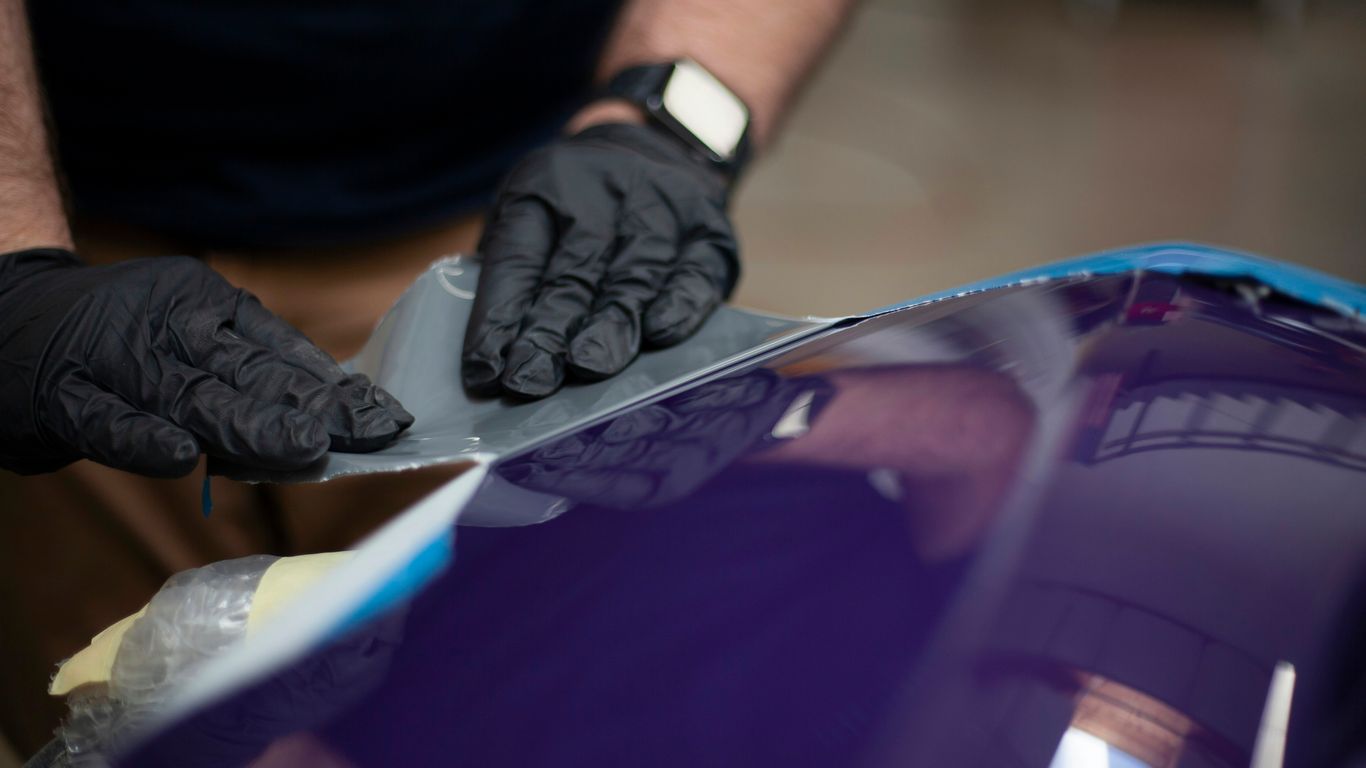
The automotive industry is really looking for ways to cut down on weight. Lighter cars mean better fuel economy, and for electric vehicles, that translates to longer range. Acrylics, especially PMMA (polymethyl methacrylate), are stepping up to the plate here. They’re significantly lighter than glass and many metals, making them a prime candidate for everything from window components to interior trim. This shift is a big deal for manufacturers trying to meet stricter emissions standards and consumer expectations for efficiency. It’s not just about replacing heavier materials; it’s about rethinking vehicle design from the ground up with lighter options in mind. The push for sustainable alternatives in automotive manufacturing is directly benefiting acrylics.
Aesthetic and Functional Benefits
Beyond just being light, acrylics offer a lot in terms of looks and how they perform. They can be molded into complex shapes, which gives designers a lot of freedom. Plus, they have excellent clarity and can be tinted or coated to achieve a wide range of colors and finishes. Think about how car interiors are changing – acrylics can be used for decorative panels, instrument clusters, and even light-diffusing elements for ambient lighting. They also hold up well against UV rays, meaning they won’t fade or degrade as quickly when exposed to sunlight, which is a big plus for exterior parts and interior surfaces. This makes them a go-to for creating both stylish and durable car components.
Growth in Electric Vehicle Components
Electric vehicles (EVs) are a whole new ballgame for materials, and acrylics are finding their niche. Because EVs rely on battery power, every bit of weight saved is critical for extending driving range. Acrylics are being used in battery casings, charging port covers, and even in the lighting systems, where their light-diffusing properties can be particularly useful for creating modern, integrated lighting designs. The smooth, consistent light provided by light diffusing acrylic is perfect for EV interiors and exteriors. As the EV market continues to expand, the demand for these lightweight, versatile materials is only going to grow, pushing innovation in how acrylics are formulated and applied within the automotive sector.
Growth Drivers in Construction and Infrastructure
Demand for Durable and Weather-Resistant Materials
The construction industry is always on the lookout for materials that can stand the test of time and the elements. Acrylics fit this bill pretty well. They’re known for being tough and not breaking down easily when exposed to things like sunlight and rain. This makes them a solid choice for things like exterior paints and coatings that need to last. Plus, they don’t really yellow or get brittle over time like some other plastics can. This durability means less maintenance and replacement down the road, which is a big plus for any building project.
Urbanization and Infrastructure Development
As more people move into cities and countries invest in new roads, bridges, and public spaces, the demand for building materials goes up. Acrylics are finding their way into more of these projects. Think about protective coatings for bridges or durable finishes for public buildings. The need for materials that can handle heavy use and look good for a long time is really pushing acrylics forward in this area. It’s not just about new builds either; renovations and upkeep of existing structures also rely on these kinds of dependable materials. The global market for acrylic acid, a key component in many acrylics, is expected to see steady growth, partly fueled by these construction needs [13cc].
Innovative Acrylic Formulations for Construction
Manufacturers aren’t just sticking with the old ways. They’re coming up with new acrylic formulations specifically for construction. This includes things like low-VOC (volatile organic compound) paints that are better for the environment and for the people working with them. There are also acrylic-based adhesives and sealants that offer super strong bonds and flexibility, which is important for structures that might shift a bit. Some new products are even designed to be applied in a wider range of temperatures, making construction work easier in different climates. These tailored solutions are helping acrylics become even more popular on job sites.
The push for materials that are both long-lasting and environmentally conscious is a major factor in the construction sector’s adoption of advanced acrylics. This dual focus addresses immediate project needs while aligning with broader sustainability goals.
Emerging Hybrid Acrylic Technologies

Hybrid acrylic technologies are really shaking things up, blending the best parts of different polymer types to create materials with some pretty impressive capabilities. It’s all about getting more out of acrylics by combining them with other chemistries. This approach is opening doors to applications that just weren’t possible before.
PVDF–Acrylic Dispersions for Exterior Applications
Think about coatings that need to stand up to tough weather for years. That’s where PVDF–acrylic hybrids shine. They bring together the amazing durability and color retention of polyvinylidene fluoride (PVDF) with the flexibility and easier application of acrylics. These systems offer weatherability that rivals traditional solvent-based fluoropolymers, but in a waterborne format. This makes them fantastic for things like metal siding and other exterior building materials where long-term performance is key. They’re designed to resist chalking and gloss loss, meaning your building looks good for a lot longer.
Urethane–Acrylic Hybrids for Enhanced Flexibility
When you need a material that’s both tough and can bend without breaking, urethane–acrylic hybrids are the answer. They combine the hardness and chemical resistance of acrylics with the elasticity and toughness of polyurethanes. This blend creates a material that’s more forgiving and adaptable. It’s a great way to get improved performance without sacrificing the ability to handle movement or impact. These hybrids are finding their way into coatings and adhesives where a balance of properties is needed.
Customized Solutions for Specific Performance Needs
The real magic of hybrid acrylics is their customizability. By tweaking the blend of polymers and additives, manufacturers can create materials tailored for very specific jobs. This could mean developing an adhesive with high stretchability and optical clarity, or a coating that can handle extreme humidity and high temperatures.
Here are some areas where these custom hybrids are making a difference:
- Automotive Coatings: Offering better scratch resistance and flexibility for car parts.
- Industrial Finishes: Providing superior chemical resistance and durability for machinery.
- Flexible Packaging: Creating films with improved barrier properties and printability.
- Specialty Adhesives: Developing bonding solutions for challenging substrates and conditions.
The development of these advanced hybrid systems often involves close work between resin suppliers and manufacturers. Getting the right mix of components and ensuring consistent quality is key to achieving the desired performance characteristics. It’s a collaborative effort to push the boundaries of what acrylic materials can do.
These hybrid technologies are a big step forward, allowing us to create materials that are not only high-performing but also more adaptable to the diverse demands of modern industries. They represent a smart way to get more functionality out of acrylic chemistry.
Technological Integration and Smart Acrylics

3D Printing and Digital Fabrication
It’s pretty wild how 3D printing is changing things, and acrylics are right in the middle of it. Manufacturers are using advanced techniques to create all sorts of complex shapes and custom parts. This isn’t just for prototypes anymore; we’re seeing actual production pieces made with acrylics through digital fabrication. It means we can get exactly what we need, when we need it, without a lot of the old tooling hassle. This makes it easier to bring new ideas to life quickly.
Interactive Displays and Embedded Sensors
Think about screens that do more than just show pictures. Acrylic is becoming a key material for interactive displays. Its clarity and ability to be molded make it perfect for touchscreens and other interfaces. We’re also seeing acrylics with sensors embedded right into them. This opens up possibilities for smart furniture, responsive building materials, and even wearable tech. It’s all about making everyday objects smarter and more connected.
Integration with Smart Technology
Acrylics are no longer just passive materials. They’re being designed to work with other smart technologies. This includes things like smart windows that adjust tint based on sunlight, using materials like PMMA. These advancements are changing how we build and live, making spaces more efficient and responsive. The future is looking pretty integrated, and acrylics are playing a big part in that shift. It’s exciting to see how these materials are evolving to meet new demands.
Market Dynamics and Regional Growth
The acrylic resin market is a pretty dynamic space right now, with a few key players really shaping things. When you look at the types of acrylics, methacrylates are still the big cheese, holding a dominant position. They’ve been around for a while and are used in a ton of applications. However, acrylates are definitely emerging as a fast-growing segment. This shift is likely due to new developments and their increasing use in specific, high-demand areas.
Dominance of Methacrylates
Methacrylates have long been the workhorse of the acrylic family. Their established performance characteristics make them a go-to for many industries, from automotive coatings to construction materials. Think about things like durable paints and robust plastics; methacrylates are often behind them. Their widespread use means they currently represent the largest portion of the market share.
Emergence of Acrylates as a Fast-Growing Segment
While methacrylates are the current leaders, acrylates are showing some serious growth potential. This surge is probably linked to innovations in their formulation and their suitability for newer applications. As industries look for materials with specific properties, acrylates are stepping up. This segment is expected to keep expanding as new uses are found and production methods improve.
Asia-Pacific as a Rapidly Growing Market
When we talk about where the growth is happening, the Asia-Pacific region stands out. It’s currently the largest market, holding a significant share. This is thanks to a few things: lots of raw materials are available there, industrialization is moving fast, and there’s a big push in manufacturing. Countries like China, India, and Japan are leading the charge, with strong demand coming from construction and the automotive sector. It’s not just about existing demand, either; new investments in production facilities are also fueling this expansion. For instance, BASF recently opened a new production line in India to serve the South Asian markets, showing how companies are investing in this region. The overall market size for acrylic resins was valued at over USD 6.9 billion in 2022 and is projected to keep growing. If you’re looking for acrylic products, understanding regional pricing factors is important, as things like raw material costs and local demand can really affect acrylic sheet prices.
The market is seeing a clear trend towards more sustainable options, which is influencing both production and consumer choices. This push for eco-friendly materials is a major factor driving innovation across the board.
Here’s a quick look at how the market is segmented:
- By Type: Methacrylates, Acrylates, and Hybrids.
- By Property: Thermoplastics and Thermosetting materials.
- By End Use Application: Paints & Coatings, Adhesives & Sealants, Pigment Dispersion, and others.
- Key End-User Industries: Building & Construction, Automotive, Electronics, Packaging, and various others.
Looking ahead, the market is projected to grow steadily, with a compound annual growth rate (CAGR) of around 5.98% expected between 2025 and 2035. This growth is fueled by the increasing demand for high-performance coatings, the expansion of infrastructure projects, and the rise of electric vehicles. The development of bio-based and waterborne formulations is also a significant trend, aligning with the global push for sustainability. This makes the acrylic market an interesting area to watch, especially with ongoing developments in areas like acrylic frames and other specialized products.
Performance Enhancements in Acrylic Systems
Matching or Surpassing Solventborne Alternatives
It wasn’t that long ago that if you wanted top-notch performance, especially for tough jobs, you’d automatically reach for solvent-based acrylics. Waterborne versions just couldn’t keep up. But things have really changed. Thanks to new ways of making these resins, today’s waterborne acrylics are pretty much on par with, and sometimes even better than, their solvent-based cousins. They’re tackling issues like how much water they soak up, how well they resist UV rays, and how they hold up against chemicals. This means coatings that last longer and need less upkeep. The days of compromising quality for environmental reasons are largely behind us.
Improved Film Formation and Adhesion
Getting a good, solid film to form and sticking well to surfaces used to be a big hurdle for waterborne acrylics, particularly on tricky materials like metal, plastic, or concrete. Now, formulators are using smarter chemistry, like adding specific groups that like to bond and carefully controlling how the tiny particles are arranged. This helps them stick tight, even when things get tough. Plus, they’re adding special helpers, often called adhesion promoters, to make sure the bond is super strong. It’s like giving the coating a better handshake with whatever it’s sticking to. This makes them a great choice for things like custom awards where durability and appearance matter.
Enhanced Durability and Weather Resistance
Older waterborne acrylics sometimes had problems with absorbing water, fading or chalking in the sun, or getting damaged by cleaning chemicals. The newer ones are built to handle all that. Through clever manufacturing and sometimes blending acrylics with other materials like fluoropolymers or urethanes, the resulting structures are more tightly knit and resistant to chemical breakdown. This means they don’t let water in as easily and can take a beating from things like acid rain or industrial grime. Accelerated tests show they keep their shine and color much better, and real-world use on buildings and roofs proves they can look good for over a decade, even in sunny spots. They also resist dirt buildup and mildew, which is a big plus for keeping things looking clean and new.
The focus now is on creating systems that not only meet environmental targets but also provide a longer service life. This means less frequent repainting and maintenance, saving money and resources over time. It’s a win-win for both the environment and the end-user.
- Better Gloss and Color Retention: Coatings stay vibrant and shiny for longer periods.
- Resistance to Environmental Factors: Improved ability to withstand UV radiation, acid rain, and pollutants.
- Reduced Maintenance Needs: Less frequent cleaning and repainting required, lowering overall costs.
- Versatile Application: Suitable for a wide range of surfaces, including challenging ones like metal and concrete, and can be used in various interior design applications.
The Future Outlook for Acrylic Materials
Looking ahead, acrylic materials are set for some interesting developments. It’s not just about making things out of plastic anymore; it’s about how these materials interact with our world and meet changing needs. We’re seeing a real push towards making acrylics work harder and smarter, while also being kinder to the planet.
Redefining Interaction with Environments
Acrylics are becoming more than just passive components. Think about surfaces that can change their properties based on conditions, or materials that can be easily repaired. This adaptability is key. For instance, the ability of some acrylics to be restored, potentially doubling their usable life, is a big deal for large projects. This renewability, combined with better UV protection, means they can stand up to the sun for longer periods. It’s about making things last and reducing waste.
Opportunities for Diversification
The versatility of acrylics means they’re popping up in more places than ever. We’re seeing a rise in hybrid technologies, like PVDF–acrylic dispersions that bring the toughness of fluoropolymers to waterborne systems, perfect for outdoor metalwork. Then there are urethane–acrylic hybrids, which offer a great mix of strength and flexibility. These combinations allow for custom solutions tailored to very specific jobs, opening up new markets.
- PVDF–Acrylic Dispersions: Great for exterior metal, offering weather resistance.
- Urethane–Acrylic Hybrids: Combine durability with flexibility.
- Customized Solutions: Tailored formulations for unique performance needs.
Meeting Evolving Industry Needs
Sustainability is a huge part of where acrylics are headed. There’s a growing demand for eco-friendly options, leading to more bio-based acrylic resins and waterborne systems that cut down on volatile organic compounds (VOCs). This isn’t just good for the environment; it also means safer working conditions and simpler cleanup. The market for waterborne acrylics alone is projected to grow significantly, showing a clear industry shift.
The drive towards greener materials is reshaping acrylic production. Innovations in recycling and the use of renewable resources are becoming standard. This focus on sustainability is not a trend, but a fundamental change in how acrylics are made and used across various sectors.
As we move forward, expect acrylics to become even more integrated into our lives, offering smarter, more sustainable, and more adaptable solutions for a wide range of applications. The future looks bright, and quite possibly, a lot more colorful and functional thanks to these adaptable materials.
Looking ahead, the world of acrylic materials is set for exciting changes. These versatile plastics are becoming even more useful in many areas. Want to learn more about what’s next for acrylics and how they might shape our future? Visit our website today to explore the latest trends and innovations!
Looking Ahead
So, it’s pretty clear that acrylic materials aren’t just staying the same. We’re seeing a lot of new stuff happening, especially with how they’re made and what they can do. Things like making them better for the environment are a big deal, and companies are really pushing for that. Plus, new ways of putting them together are letting us make things we couldn’t before, like in cars or buildings. It feels like acrylic is going to keep showing up in more and more places, and it’ll be interesting to see what comes next.
Frequently Asked Questions
What are acrylics and why are they becoming so popular?
Acrylics are a type of plastic that are super useful for many things! They are clear like glass but much tougher and lighter. Because they are so strong and can be made into cool shapes and colors, people are using them more and more for things like car parts, buildings, and even smart gadgets.
Are acrylics good for the environment?
People are working hard to make acrylics more eco-friendly. This means creating them from plants instead of just oil, and making them using less harmful chemicals. Many new acrylics don’t release bad stuff into the air, which is better for everyone and the planet.
How are acrylics used in cars?
Cars are using more acrylics because they are lighter than metal. Lighter cars use less fuel or last longer on a charge if they are electric. Acrylics also look great and can be shaped easily, making cars more stylish and functional.
Why are acrylics important for buildings?
In buildings, acrylics are used because they last a long time and can handle bad weather. Think of them in paints, glues, and sealants that keep buildings strong and looking good for years, even when it’s rainy or sunny.
What are ‘hybrid’ acrylics?
Hybrid acrylics are like a mix of different types of plastics. They combine the best parts of acrylics with other materials to make them even stronger, more flexible, or better for specific jobs, like protecting the outside of buildings.
Can acrylics be used for smart technology?
Yes! Acrylics can be made into screens that light up or have sensors. Imagine a table that can change its display or a device that knows when you touch it. Acrylics are perfect for making these kinds of cool, interactive things.
Are there different types of acrylics?
There are indeed. Methacrylates are a very common type, known for being tough and lasting a long time. Acrylates are a growing group, and hybrid types combine different features. The kind of acrylic used depends on what it needs to do.
What does the future look like for acrylics?
The future is bright for acrylics! They will likely be used in even more innovative ways, especially with new technologies like 3D printing. They’ll be designed to work better with our environment and meet the changing needs of different industries.