Key Takeaways
Understanding the properties of acrylic resin is essential for selecting the right material for both aesthetic and structural projects. This guide covers the fabrication, installation, and maintenance requirements for a durable acrylic board.
- Cast acrylic offers superior optical clarity and hardness compared to extruded options.
- Proper tool selection significantly reduces the risk of chipping or cracking during fabrication.
- Thermal expansion properties must be accounted for during installation to prevent structural damage.
- Regular, gentle cleaning routines maintain surface integrity and prevent micro-scratching over time.
- Safety protocols such as ventilation are critical when heat-cutting or laser-etching plastic components.
Types and finishes of acrylic boards
Selecting the right material requires an understanding of how these boards are manufactured and how different finishes react to environmental stressors. Whether you are building custom displays or protective barriers, the foundational choice between production methods sets the performance standard for the lifespan of the board.
Cast versus extruded acrylic production
Cast acrylic is produced by pouring monomer into molds, creating a cross-linked structure that is chemically resistant and exceptionally clear. Extruded acrylic, conversely, is pushed through a die, resulting in a more uniform thickness but a different molecular alignment.
Understanding transparency levels and colors
You can find everything from high-transparency panels to opaques that block light entirely. The spectrum of colors available allows for integration into diverse interior designs without sacrificing the durable and professional appearance of the material.
Selecting surface finishes for specific environments
Choosing the correct finish ensures the board performs well in its intended setting, whether it faces high traffic or requires specific light-diffusion qualities. The table below outlines how common finishes perform under different use cases.
| Surface Type | Best Use Case | Durability |
|---|---|---|
| Glossy | High-visibility signage | Moderate |
| Matte | Anti-glare displays | High |
| Textured | Privacy partitioning | Very High |
These material options provide flexibility for creative projects that require specific light transmission or scratch-resistance levels. Utilizing material like our Matte White Cast Acrylic ensures you start with a high-quality substrate for any precision laser-cutting or engraving task.
Common applications for acrylic boards
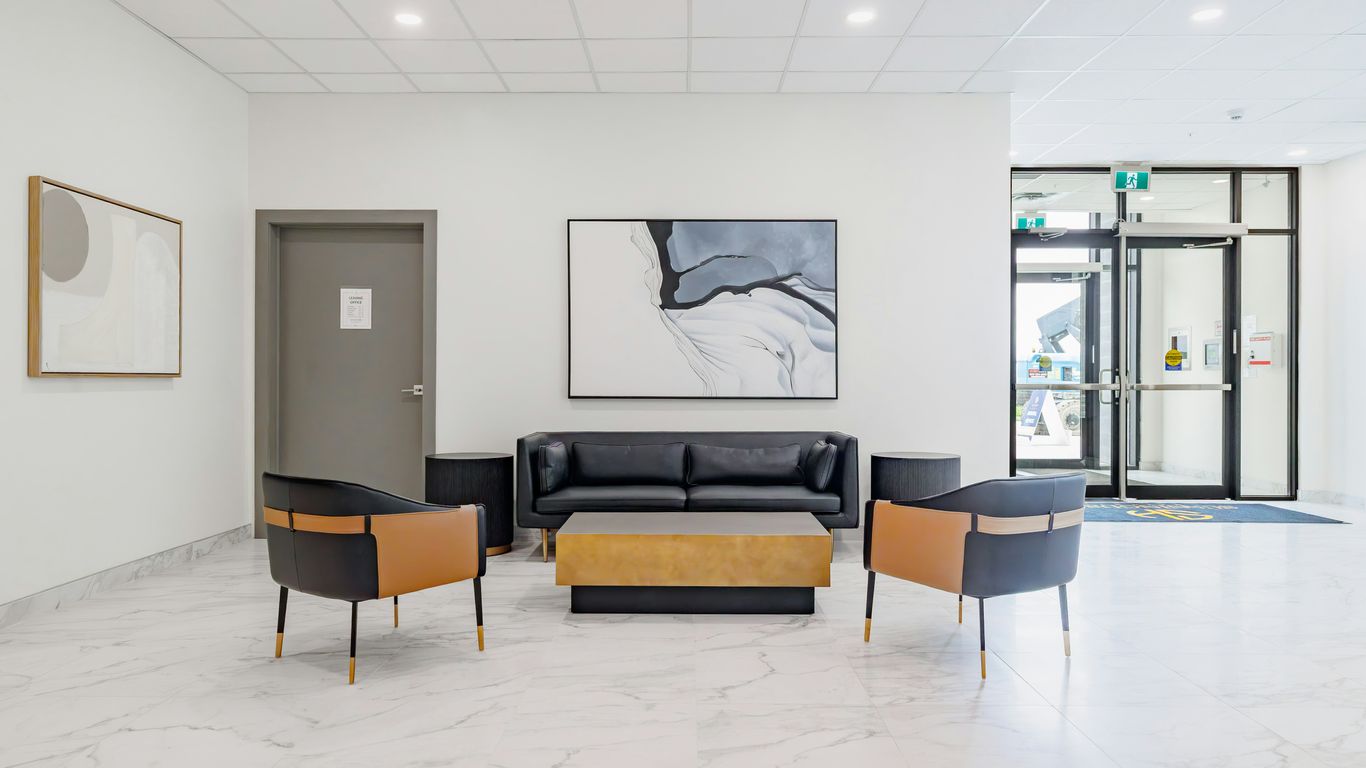
The shift toward synthetic polymers has transformed how offices and industrial facilities handle signage, communication, and environmental protection. These materials offer a modern aesthetic while meeting the practical demands of busy workspaces.
Utilizing boards for signage and display
Modern businesses often prefer the sleek, frameless look offered by GotPrint.com for professional communication. These pieces provide a contemporary finish that maintains high clarity.
Acrylic dry erase solutions for offices
For collaborative environments, a mobile solution like the Spry Mobile Acrylic Board creates a flexible focal point for meetings. If a custom size is required, you can create your own DIY acrylic dry erase board by mounting sheets directly to office walls.
Industrial roles in manufacturing and protective barriers
In specialized repair or document preservation, professionals often use Acrylic Press Boards to keep materials flat during delicate bonding or flattening processes. These heavy-duty applications demonstrate the strength of specific acrylic grades in high-pressure scenarios.
Essential tools for working with acrylic
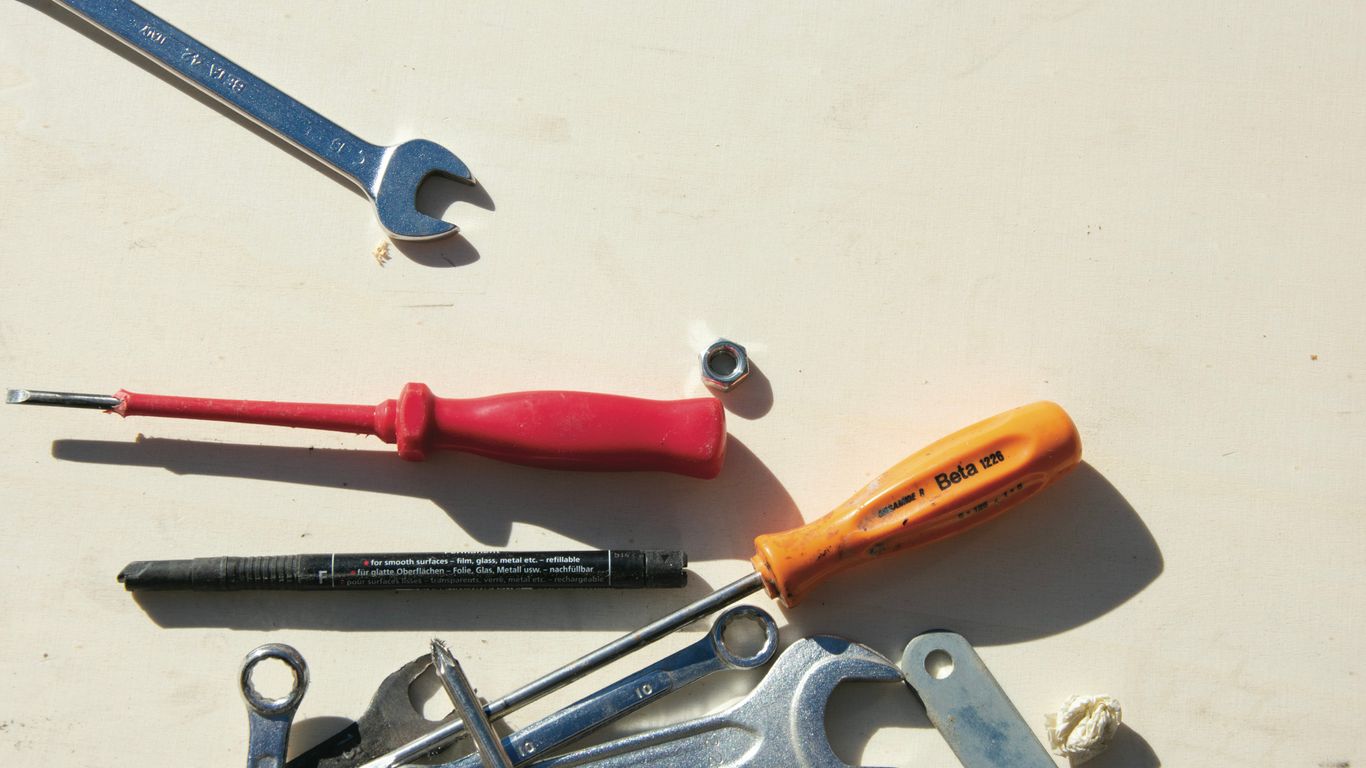
Working with synthetic sheets requires a deliberate approach to avoid stress fractures and ensure clean lines. Using the right combination of high-speed bits and non-reactive adhesives is the difference between a amateur outcome and a polished, professional display.
Techniques for clean cutting and scoring
Cutting is typically done with specialized plastic blades or circular saws with fine-tooth, non-set blades to prevent grabbing. Scoring should be done slowly to ensure a clean snap along the marked line, avoiding excessive force that might spider-web the surrounding surface.
Choosing the right adhesives for bonding
- Solvent-based cements that fuse the material chemically.
- Pressure-sensitive transparent tapes for temporary bonds.
- UV-cure resins for invisible, high-strength structural joints.
Using these methods requires careful surface preparation to ensure the adhesive penetrates evenly without leaving cloudy marks. Always test on scrap material before applying to your final project component.
Best practices for sanding and edge polishing
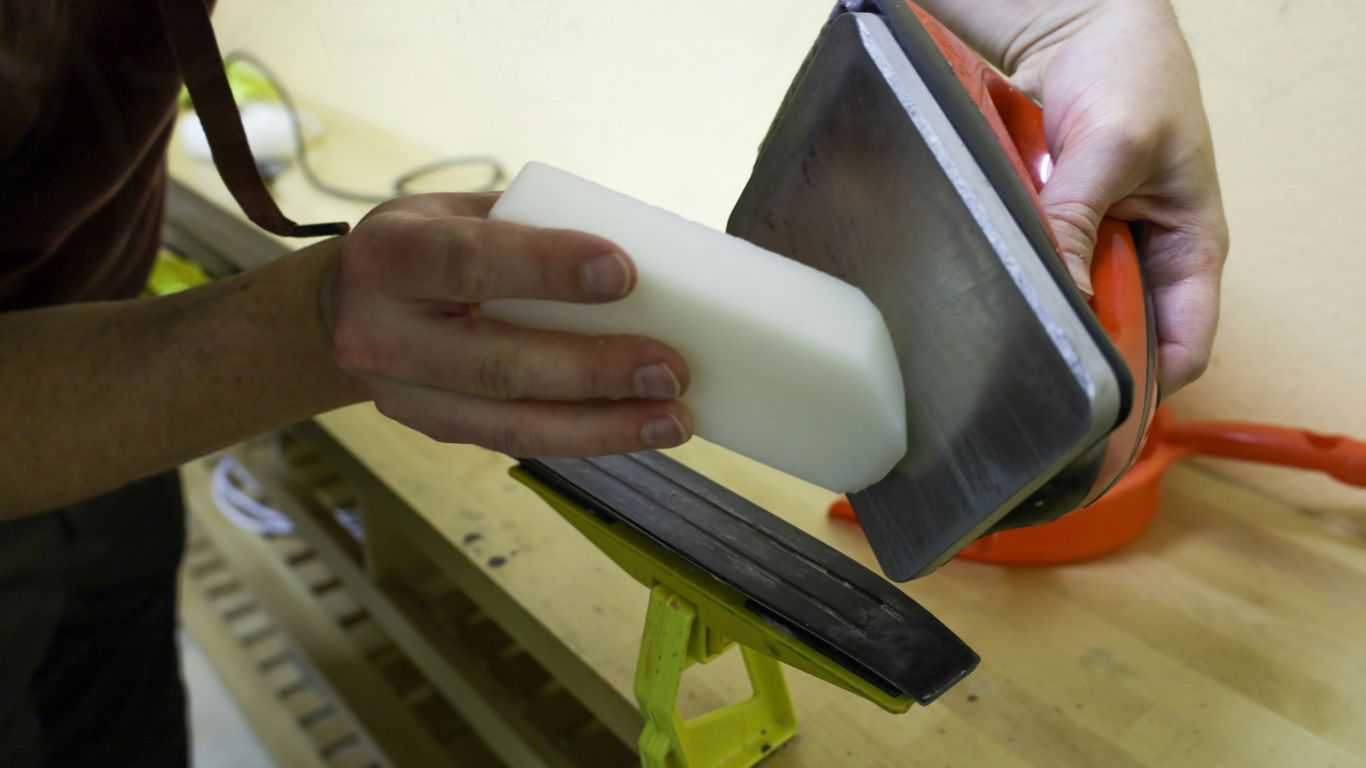
After achieving the desired shape, edges must be refined using successively finer grit sandpaper, eventually moving to a buffing wheel for a glass-like finish. This process creates a professional, smooth touch point after the initial cut.
Installation and mounting strategies
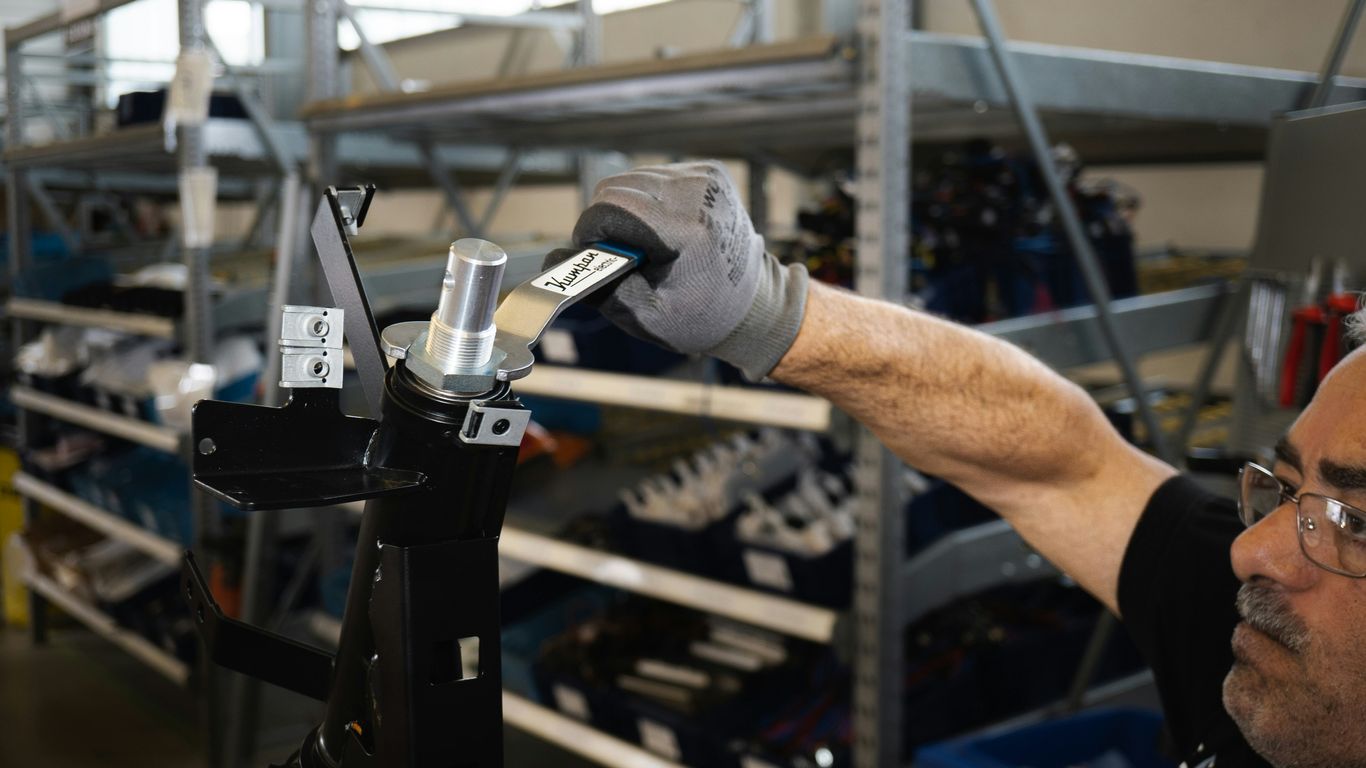
Mounting these boards successfully requires a plan that considers surface material and potential weight load. When integrating these systems into a space, always ensure you Review the official Terms and Conditions regarding liability if you are utilizing specific manufacturer warranties or installation hardware guidelines.
Drilling holes for standoff mounting
Drilling requires specialized pointed bits to avoid cracking the plastic at the exit point. A backer board should always be used underneath the acrylic during the drilling phase to provide structural support.
Selecting hardware for different surface types
Standoff systems act as both a functional connector and a design element by holding the board slightly away from the wall. This separation creates a shadow effect that highlights the clarity of the material and provides a floating visual impression.
Choosing the correct anchor for drywall versus concrete is critical, as the weight of thicker panels can cause localized stress if not distributed correctly across multiple mounting points.
Managing thermal expansion during installation
Plastic expands and contracts significantly more than metal or wood when faced with temperature changes. Holes for mounting hardware should be drilled slightly larger than the screw diameter to allow the board to shift without cracking the surrounding edges.
Maintenance and care for long-term clarity
Regular care is necessary to prevent the accumulation of haze and fine scratches that degrade visual clarity over time. Adopting an anti-static cleaning routine keeps dust at bay while preserving the glossy finish.
Effective cleaning solutions to prevent scratching
Use microfiber cloths and plastic-safe cleaners for daily maintenance. Avoid ammonia-based products, as they can cause chemical crazing and permanently compromise the material structure.
Removing stains and stubborn residue
For sticky spots, use warm water with a mild soap solution, gently rubbing the area until the residue lifts. Rinse immediately and pat dry rather than wiping, which can introduce abrasives trapped in dust back onto the surface.
Restoration techniques for minor surface abrasions
Minor scuffs can often be buffed out using proprietary plastic polishes applied with a soft cloth. Deep scratches may require a multi-stage sanding process, starting from a high grit and working toward a refined polish.
Safety considerations when using acrylic
Fabrication processes, especially those involving thermal cutting, introduce risks that require basic protective measures. Ensuring your workspace is set up correctly reduces common hazards during the cutting and shaping phases.
Protective gear for fabrication tasks
Safety glasses are required to protect against flying chips during cutting. Similarly, ear protection is recommended when using high-speed saws or routers for extended periods.
Ventilation requirements for laser cutting
Laser-based fabrication releases fumes that must be exhausted properly through an industrial-grade ventilation system. Never attempt high-heat processing in an enclosed space without a direct filtration or exterior venting plan.
Identifying fire performance and safety ratings
Acrylic is combustible and requires knowledge of local fire codes before installation in public or commercial areas. Check product documentation for specific ASTM or fire-rating labels to ensure compliance with building safety standards.
Conclusion
Acrylic boards provide a versatile and modern finish suitable for everything from home décor projects to complex industrial applications. By mastering the fundamentals of fabrication, installation, and ongoing maintenance, you can maximize the potential of your materials for long-lasting performance and clarity.
Frequently Asked Questions
Is acrylic more durable than glass?
Acrylic is significantly more impact-resistant than glass and much lighter in weight, which makes it an ideal choice for high-traffic or safety-conscious areas where breakage could be a hazard.
Can you paint an acrylic board?
Yes, acrylic can be painted using markers or spray paints designed for plastics, though sanding the surface lightly first helps the paint adhere more effectively.
Does sunlight damage acrylic boards?
Long-term exposure to intense UV light can eventually cause slight yellowing or brittleness in standard acrylics, though UV-stabilized versions exist for outdoor applications.
How do you prevent cracking when drilling?
Using a specialized plastic-drilling bit, a slow speed, and a sacrificial wood backing board significantly minimizes the risk of chipping at the entry or exit points.
Is it possible to flame polish edges?
Yes, experts often use a hydrogen-oxygen torch to quickly melt the surface of the edge, resulting in a perfectly clear and polished finish without physical sanding.
Can you bend an acrylic board?
Yes, acrylic is thermoplastic, meaning it can be heated to its softening point and bent into custom shapes using specialized jigs and heat strips.
What is the best way to remove tape residue?
Avoid solvent-based thinners if possible; instead, use a mild dish soap or a dedicated adhesive remover that is marked as safe for polycarbonate and acrylic surfaces. If you need more help, Contact Us today for further guidance.