Key Takeaways
Selecting the right material requires understanding the nuances of various plastic formulations, as each contributes differently to the longevity and success of your build. This guide helps you navigate the selection process while ensuring you apply safe and effective fabrication methods.
- Cast acrylic offers superior chemical resistance and surface hardness compared to extruded variants.
- Extruded acrylic sheets are generally more cost-effective and have tighter thickness tolerances.
- Always account for thermal expansion when designing custom acrylic fixtures for outdoor use.
- Proper safety protocols are non-negotiable when using mechanical tools on thermoplastic materials.
- Maintaining surface clarity requires using non-abrasive cleaners and avoiding harsh chemical solvents.
Types of acrylic sheet
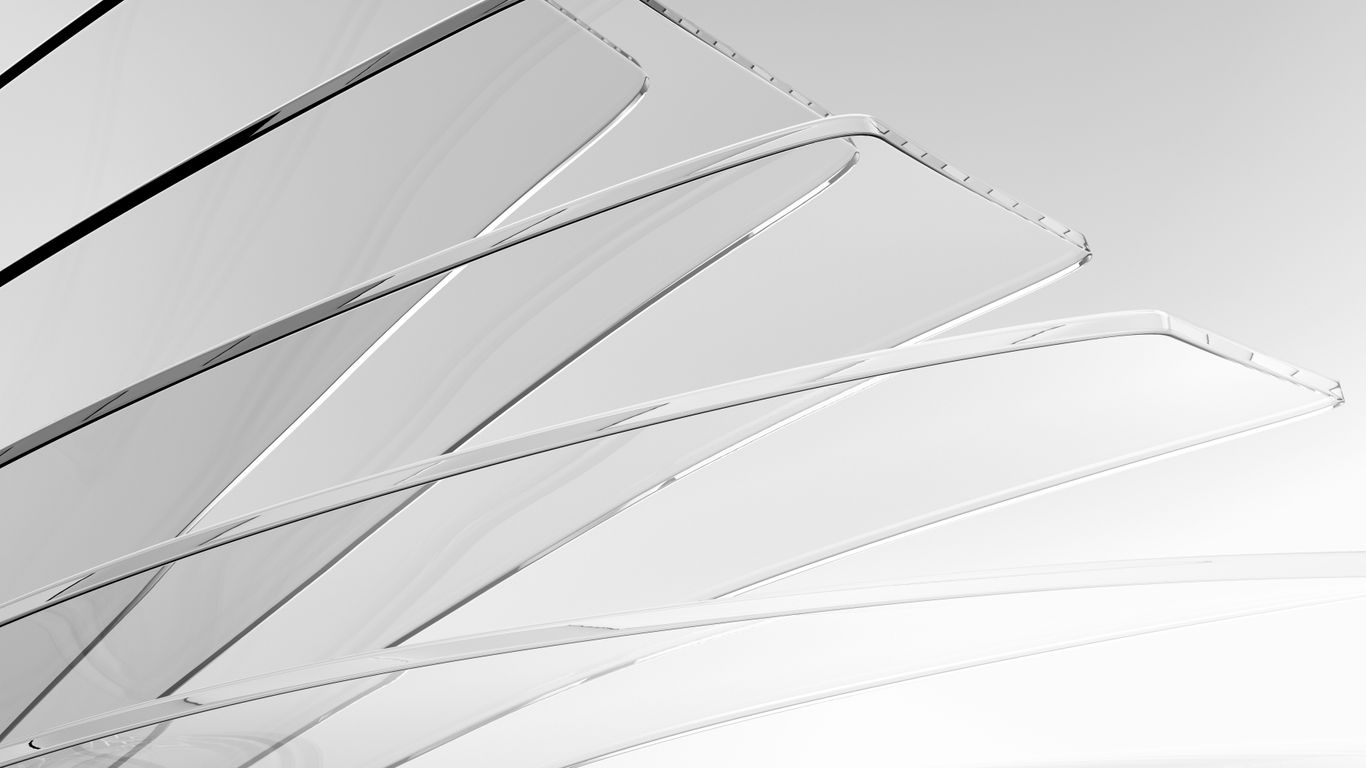
Selecting the proper material starts with identifying the chemical process used to create the plastic. These basic manufacturing differences dictate how the material responds to heat, light, and mechanical stress, meaning your project’s function often determines the type you should source.
Cast acrylic properties
Cast acrylic is manufactured by pouring liquid ingredients into a mold, resulting in a material with excellent optical clarity and consistent thermal properties. This material tends to be more resistant to solvents and is often preferred for applications requiring intricate machining. Because of its structural nature, it is a stable choice for projects where the material will be handled frequently or exposed to varying temperatures.
Extruded acrylic characteristics
Extruded material is manufactured through a continuous process where liquid acrylic is pushed through rollers to achieve a specific thickness. You can find high-quality versions of this material from providers like A&C Plastics, which offers options that are generally more uniform in thickness than cast sheets. The extrusion process often results in a lower cost and allows for efficient large-scale manufacturing due to its consistent sizing.
Differences between cast and extruded fabrication
Fabricators often choose between these two types based on how they process the edges and how the material reacts to laser cutting. Cast acrylic is often seen as the more durable and versatile option for complex shapes that require deep laser engraving or specialized polishing. Conversely, extruded sheets are better suited for simple, high-volume projects where budget and sheet flatness are the primary constraints.
Common applications for acrylic material
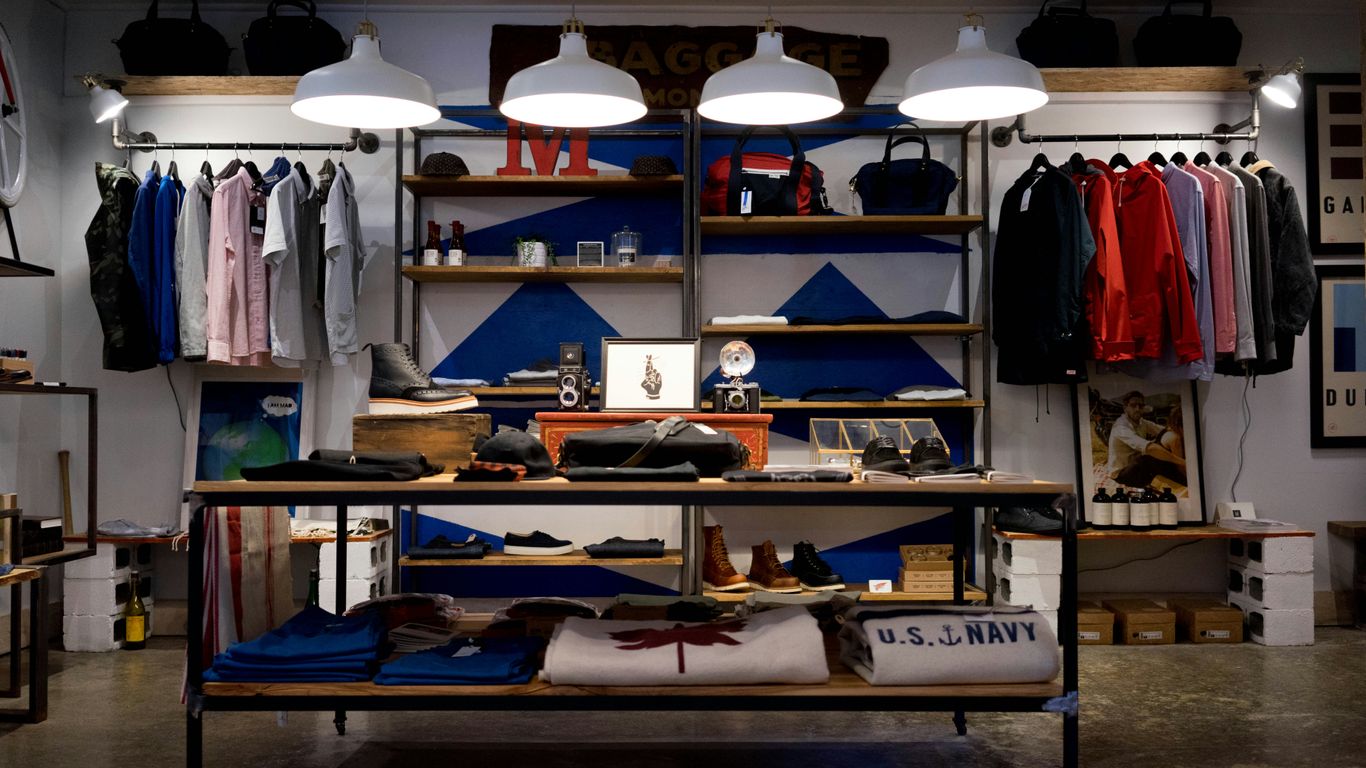
Beyond basic construction, these materials serve a variety of commercial and personal needs due to their transparency and ease of customization. Integrating these components into your workspace can significantly elevate the functionality of your displays, though it is always wise to review our terms before engaging in large commercial contracts.
Retail display and signage solutions
Retail environments rely on the clarity of acrylic to showcase products without distracting from the merchandise itself. The material is strong enough to support weight while providing a professional, polished finish that enhances the visual appeal of any display case or point-of-sale fixture.
Architectural elements and interior decor
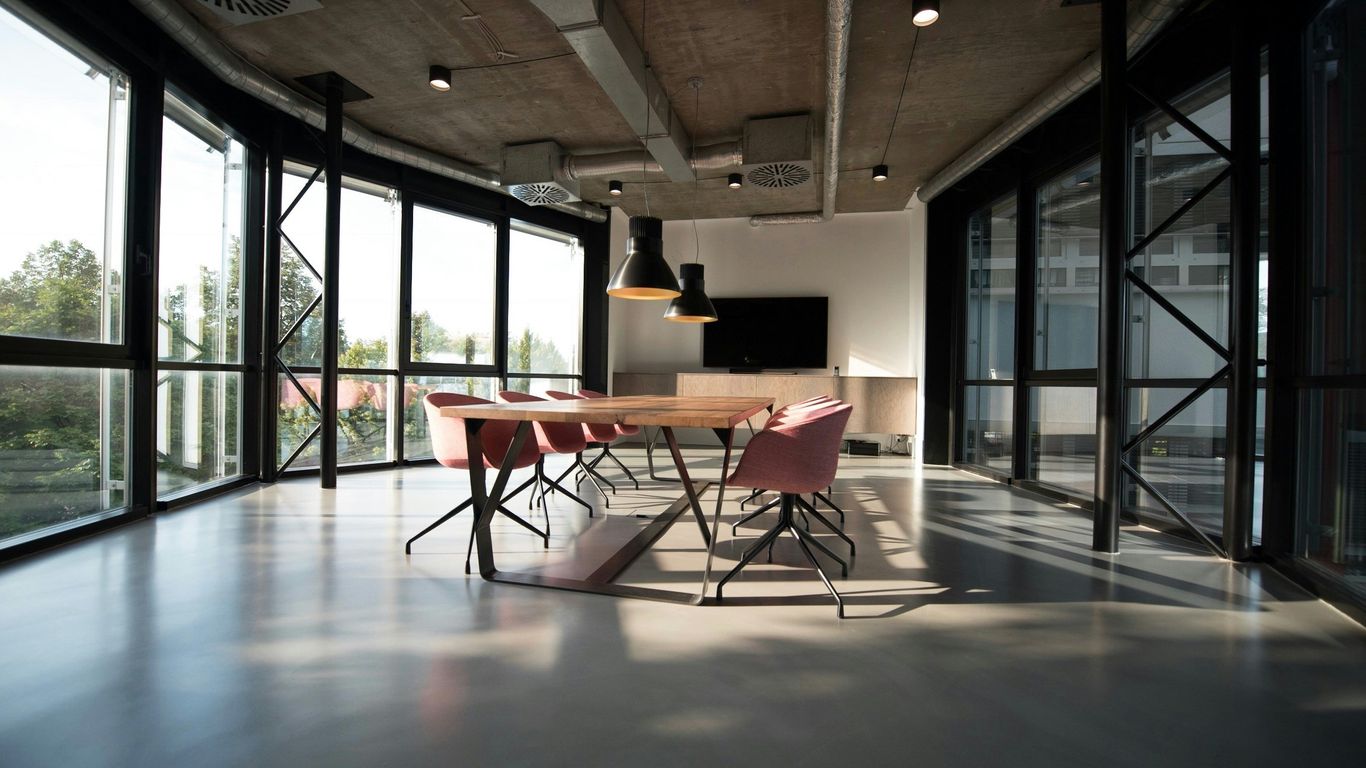
Interior designers utilize acrylic to create modern, light-filled spaces through panels and custom furniture pieces. When you need a specific aesthetic finish, companies like Delvie’s Plastics offer unique textures that allow for creative lighting solutions or privacy screening in residential and office settings.
Industrial protective barriers and shielding
Safety is often the primary driver for industrial applications, where material impact resistance is tested against environmental factors. Acrylic provides a clear line of sight while maintaining the necessary barrier integrity to protect staff in workshops or high-traffic operational zones.
Creative arts and custom fabrication projects
Artists and hobbyists benefit from the wide range of available colors and specialty effects. You can source opaque black cast acrylic from specialty suppliers to create sleek, matte or glossy finishes that are ideal for laser cutting projects or high-contrast decorative art.
Understanding technical specifications
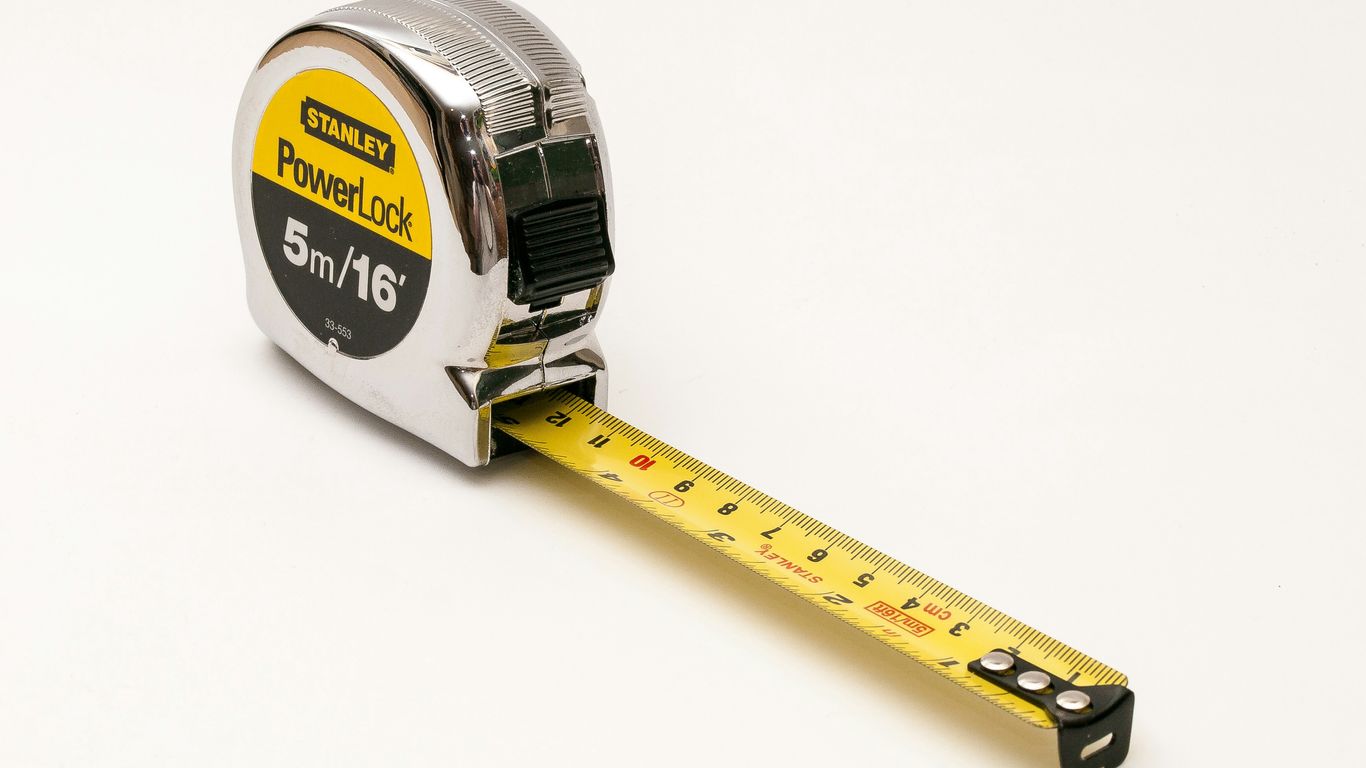
Understanding data sheets is vital for ensuring that the material you purchase meets the physical requirements of your intended application. Proper planning involves verifying everything from thickness consistency to environmental stability ratings before committing to a purchase.
Measuring sheet thickness and manufacturing tolerances
Manufacturing processes allow for slight variations in the final thickness of the sheet. Most suppliers provide a range of tolerances that you should confirm, especially if your design relies on tight-fitting joints or specific hardware compatibility.
Standard dimensions and sheet sizing availability
Standard sheet sizes often dictate how you plan your cuts to minimize waste. Many suppliers maintain inventories that cover common dimensions, and you can source 1/8 inch thick acrylic in various formats designed to fit laser cutters and traditional workshop tools.
Assessing light transmission and opacity levels
Light transmission varies from completely clear to fully opaque, depending on the chemical additives in the sheet. You should measure your project’s specific lighting needs to determine if you need high-clarity material or a tinted variant that blocks specific frequencies of light.
Surface finish options and aesthetic textures
From high-gloss clear finishes to matte or pebbled textures, the surface finish changes the overall tactile feel of the material. Specialized textures are often used in interior design to diffuse light or prevent fingerprints from appearing on frequently touched surfaces.
Best practices for cutting and shaping
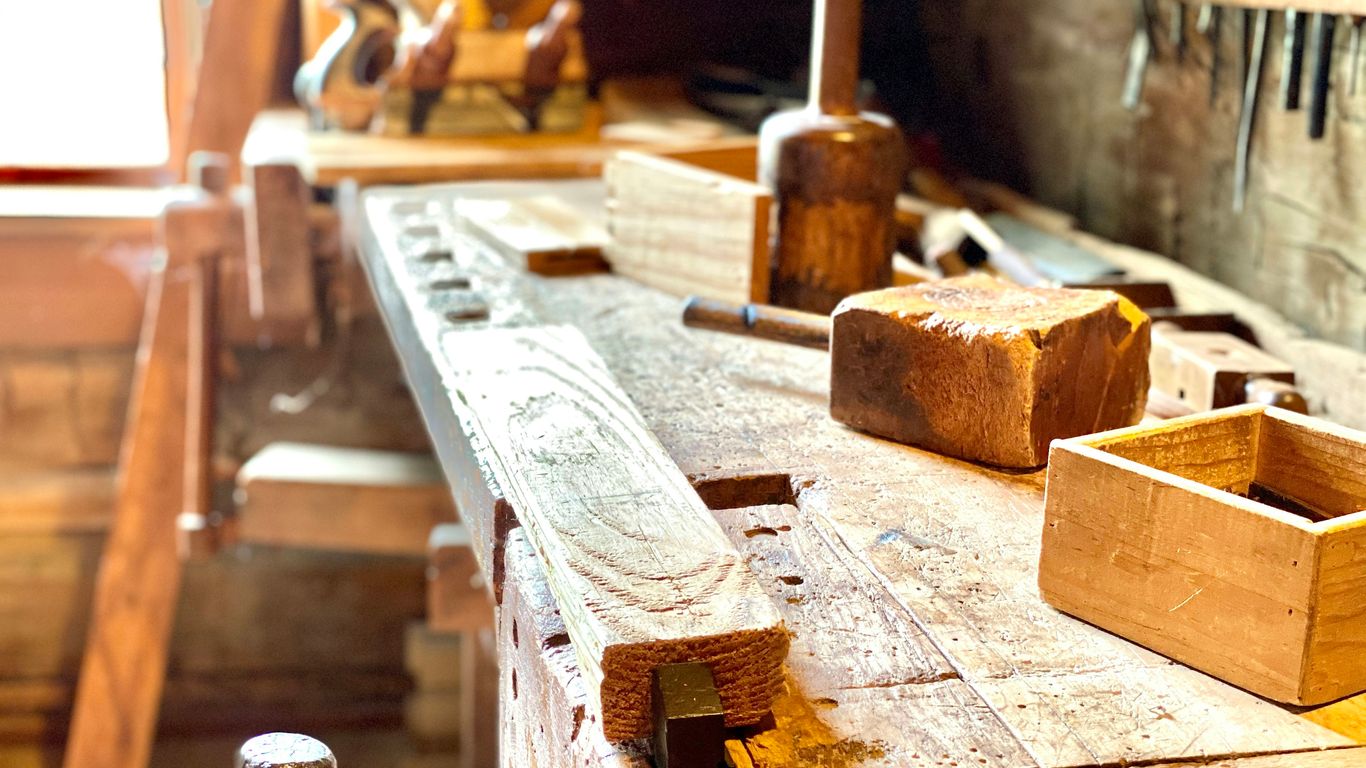
Taking care when slicing or shaping your material prevents unnecessary cracks and ensures a high-quality finish on your final product. Precision is as much about the setup as it is about the actual execution of the cut.
Scoring and snapping techniques for thin sheets
For thinner sheets, a simple scoring tool is often sufficient to create a clean break along a straight line. By applying consistent pressure and using a guide to ensure steadiness, you can avoid jagged edges that would otherwise require additional grinding.
Using power tools for precise edge finishing
Using power tools requires a higher degree of caution and the right blades or bits designed for plastics to avoid melting the edges. The following methods are commonly used to ensure high-quality edges:
- Using a fine-toothed saw or plastic-specific blade for straight cuts.
- Applying a variable speed router to smooth off sharp corners professionally.
- Buffing the edges with a rotary tool and polishing compound to restore transparency.
- Cleaning off residual dust from the blade to prevent surface scratches.
Following these steps improves the structural integrity of your finished piece significantly.
Heat bending and fundamental thermoforming processes
Heat bending allows you to transform a flat sheet into a curved or angled form by carefully heating the material until it reaches its pliable state. This requires a controlled heat source, often a strip heater for linear bends, and careful monitoring to avoid overheating the material and causing bubbles.
Essential safety protocols when machining plastics
Safety is paramount when working with mechanical tools, as the dust and offcuts generated can be hazardous. Always wear protective eyewear, ensure your workspace is well-ventilated, and follow the specific handling guidelines for your chosen tools to prevent accidents.
Maintenance and care for acrylic surfaces
Cleaning and protecting your installation is necessary to maintain its appearance over the long term. A proactive approach helps prevent minor imperfections from turning into permanent damage.
Cleaning procedures to prevent surface scratches
Avoiding abrasive cloths is the most important step in preventing microscopic scratches. Always use a gentle touch with a dampened, soft cloth to remove dust before attempting deeper cleaning.
Recommended cleaning agents and non-abrasive tools
Stick to mild dish soap mixed with water or specialized plastic cleaners to avoid chemical damage. Avoid glass cleaners that contain ammonia, as these can cause micro-cracking in the surface of the plastic over time.
Removing fine scratches and restoring clarity
Fine scratches can often be buffed out using a mild plastic polish. This process requires patience and should be performed using circular motions with a soft microfiber cloth to gradually restore the original clarity.
Long-term storage and environmental protection
Storing materials flat and out of direct, unfiltered sunlight helps prevent warping and discoloration. If you are keeping unused stock, consider wrapping it in protective film and placing it in a temperature-controlled environment away from potential stressors.
Comparative advantages against glass and polycarbonate
Choosing between plastic or mineral alternatives requires a balanced look at your budget and your functional goals. The following table provides a quick reference to help you decide which material category serves your needs best:
| Feature | Acrylic | Glass | Polycarbonate |
|---|---|---|---|
| Optical Clarity | High | High | Moderate |
| Impact Resistance | Moderate | Low | Very High |
| Weight | Lightweight | Heavy | Lightweight |
Reviewing these general metrics allows you to ensure the project remains safe, cost-efficient, and aesthetically aligned with your goals.
Impact resistance and structural integrity
Acrylic offers a functional middle ground in impact resistance, though it is not as bullet-resistant or shatterproof as polycarbonate. It is significantly more durable than traditional glass in residential settings where accidental impact is a daily risk.
Weight considerations for wall-mounted installations
Because it is much lighter than glass, you can often save on mounting hardware and structural reinforcement during installation. This makes it an ideal candidate for large, heavy-looking displays that would otherwise put excessive strain on hanging brackets.
Cost-effectiveness in large-scale projects
Large projects demand better material value, and acrylic often hits the sweet spot for budget management. By balancing price against performance, you can achieve professional, high-end looks without the premium costs associated with thicker custom glass.
UV stability and outdoor weather durability
Acrylic is inherently resistant to UV rays, which means it will not yellow or degrade as quickly as other plastics when exposed to the sun. This makes it a reliable choice for outdoor signage and architectural elements that require long-term environmental durability.
Conclusion
Choosing the right acrylic sheet involves balancing the specific properties of cast versus extruded material with your project’s environmental and aesthetic needs. By applying best practices for fabrication and maintenance, you can ensure your final installation remains clear and functional for years to come. If you have questions about which material variant matches your project’s goals, get in touch now to discuss your requirements with our team of specialists.
Frequently Asked Questions
How does cast acrylic differ from extruded acrylic?
Cast acrylic is produced through a batch casting process that creates a harder surface and better resistance to solvents, whereas extruded acrylic is made through a continuous process that offers better thickness tolerances and a generally lower price point.
Can acrylic be used to replace glass in windows?
Yes, acrylic can replace glass in many non-structural window applications because of its high optical clarity and superior shatter resistance, though you should verify that your specific application does not require tempered glass for code compliance.
How should I clean my acrylic items effectively?
You should clean acrylic surfaces using only a soft microfiber cloth and a mixture of mild soap and water, avoiding any harsh or ammonia-based cleaners that could degrade the finish.
Will acrylic turn yellow when used outdoors?
Acrylic is highly resistant to UV degradation and is significantly more stable in sunlight compared to many other types of plastic, making it a standard choice for long-term outdoor displays.
Is it safe to cut acrylic at home?
It is safe to cut acrylic at home if you follow essential safety protocols, including wearing proper eye protection, working in a well-ventilated area, and using the correct tools intended for thermoplastic cutting to avoid excess heat.
What can I do to remove light scratches from the surface?
You can typically remove light surface scratches by applying a specialized plastic polish with a clean microfiber cloth, using circular motions to gently buff the surface until clarity is restored.
Does thickness affect the structural strength of a sheet?
Yes, sheet thickness is directly proportional to structural rigidity, so choosing the correct thickness for your application is essential to prevent bowing or premature failure in load-bearing designs.