Key Takeaways
Painting with acrylic paint offers a versatile and fast-drying experience suitable for many artistic styles, provided you understand the medium’s unique behavior. Use these five points to ground your practice:
- Acrylics dry quickly because the water evaporates, leaving behind a flexible polymer film.
- Maintaining your brushes is vital, as dried acrylic paint is permanent and difficult to remove.
- Adjusting the consistency of your paint with mediums allows for a wide range of effects.
- Choosing the correct substrate ensures your work remains archival and stable over time.
- Proper cleanup and disposal habits protect both your tools and the environment.
Understanding the properties of acrylic paint
Acrylics have transformed the art world through their fast-drying nature and ability to adhere to almost any non-oily surface. Artists appreciate the medium for its water-based ingredients, which make it an incredibly versatile painting option for both beginners and professionals. Gaining familiarity with these physical traits helps you predict how the colors will stack and dry on your canvas.
Composition and binder characteristics
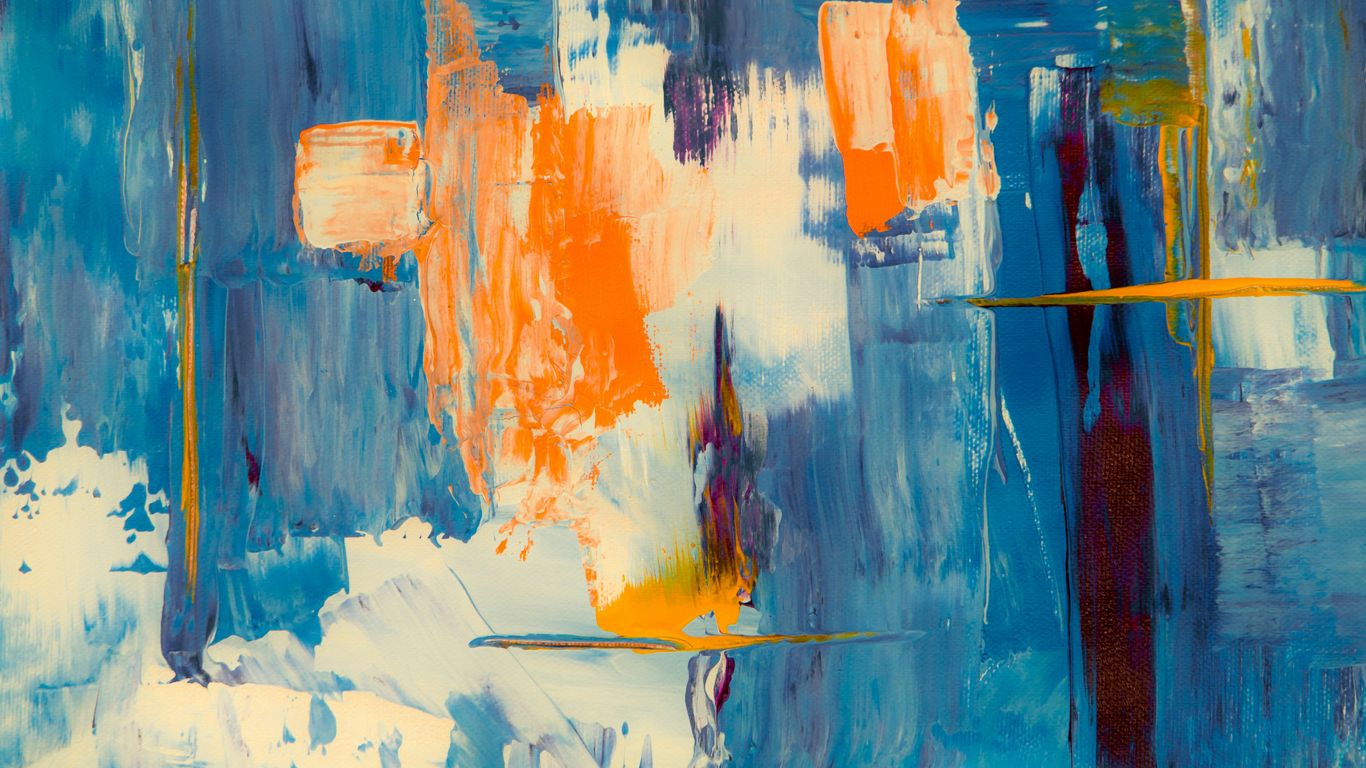
The paint consists of pigment particles suspended in a synthetic acrylic polymer emulsion. When the water evaporates, these polymers fuse to form a tough, water-resistant film that traps the pigment securely. Unlike oils, which rely on oxidation, this chemical process is quite rapid, leading to distinct artistic advantages.
Differences between heavy body and fluid acrylics
Heavy body paints have a buttery consistency suitable for retaining brush strokes. In contrast, fluid acrylics behave more like ink, making them ideal for delicate washes or layering surfaces without obscuring detail. You might discover a vibrant world of acrylic paints through suppliers that offer both types to suit specific aesthetic goals.
The role of opacity and lightfastness ratings
Opacity levels indicate how much of the underlying surface shows through the paint layer, with transparent colors often used for glazing. Lightfastness ratings, meanwhile, tell you how well a color resists fading when exposed to intense lighting over the years. Professionals prioritize high lightfastness to ensure their work stands the test of time.
How acrylics behave on different surfaces
Acrylics are famously flexible, meaning they rarely crack when applied to surfaces that move or flex slightly. While wood, canvas, and heavy paper are common choices, the medium sticks effectively to plastics and fabrics as well. Many find that working with acrylic paint leads to unexpected discoveries on unusual sculptural substrates.
Essential supplies for painting with acrylics
Assembling a toolkit involves balancing your budget with your expected technical needs. Start with a few versatile items rather than overwhelming yourself with specialized equipment immediately. Investing in good habits early on is just as important as purchasing high-quality tubes of pigment.
Selecting the right synthetic brushes
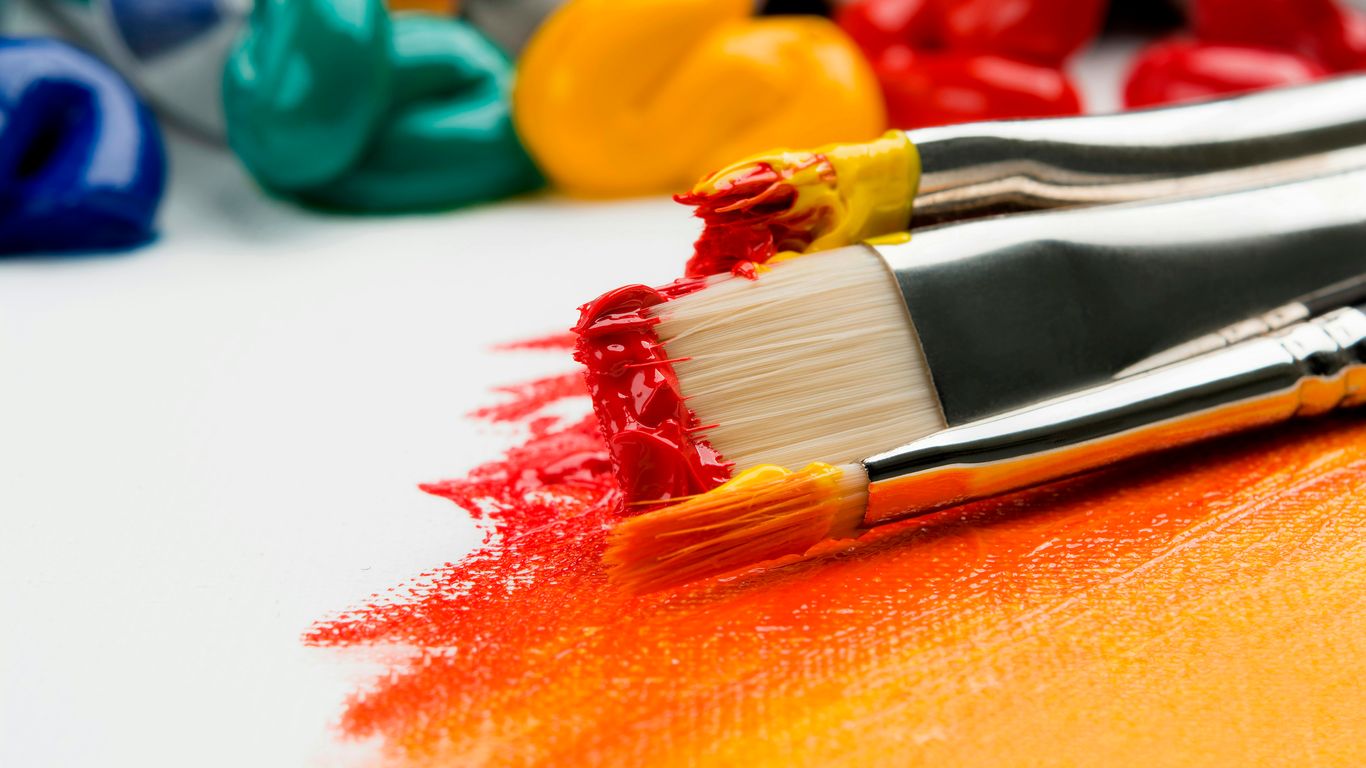
Natural hair brushes often break down in the alkaline environment of acrylic emulsions, so synthetic filaments are the better choice. These bristles are specifically engineered to hold their shape and clean easily after use. Consider the common types used by painters:
| Brush Shape | Primary Use | Texture Result |
|---|---|---|
| Flat | Broad strokes | Textured coverage |
| Round | Detailed lines | Soft edges |
| Filbert | Blending edges | Rounded mark |
Comparing canvas, wood, and paper substrates
Each surface changes how you handle your pigments. Stretched canvas is a traditional favorite, whereas wood panels offer a rigid support that resists bending. Thick watercolor paper is excellent for studies, provided it is properly primed to prevent the moisture from causing ripples in the sheet.
Choosing between plastic and wood palettes
Since acrylics dry into a permanent plastic-like film, a plastic palette is often the most practical choice because you can peel dried paint off easily. Wooden palettes, while traditional, absorb moisture and become stained quickly with this medium. Keep in mind that the best acrylic paint performers usually glide smoothly across any non-porous palette surface.
Preparing surfaces with gesso
A primer like gesso serves as the foundational layer between your support and the paint. It creates a slightly toothy surface that helps the pigment adhere, while also sealing the substrate to prevent rot or damage. Apply one or two even coats to ensure a consistent ground before starting your work.
Fundamental techniques for beginners
Once you have your materials, experimenting with different application styles will uncover your personal artistic voice. Many painters find that the speed of acrylics rewards decisiveness. Avoid over-working areas if you want to maintain clean, crisp layers that feel fresh and intentional throughout the composition.
Using the wet-on-dry application method
This basic approach involves waiting for a layer to dry completely before placing a new color on top, allowing for sharp edges and clear definition. It is the most reliable way to build your image step-by-step. You will find that this method provides excellent control over composition and color placement.
Blending colors on the palette versus the canvas
Mixing colors on the palette allows you to ensure the shade is perfect before it ever touches the support. However, blending directly on the canvas creates beautiful color transitions that look incredibly natural. Use a light touch to prevent the paint from turning muddy due to excessive over-mixing.
Creating glazes with thinning mediums
Glazing consists of applying thin, transparent layers of color over a dry base to shift the tone or add depth. Thinning your paint with a glazing medium instead of water maintains the integrity of the binder. If you need assistance finding the right professional materials for this, contact us for guidance on your specific project needs.
Implementing impasto for added texture
Impasto is the process of applying dense paint to create sculptural effects on the canvas. High-viscosity gels allow you to build up mass without diluting the pigment’s vibrancy. This adds a sense of physical weight and interest that invites the viewer to look closer at the surface.
Managing the drying process
Since this medium solidifies quickly, managing your work session is essential to avoid frustration. You might want to periodically mist your palette, which helps keep the paint workable for a longer period. Proper management allows you to enjoy the process without feeling like the paint is racing against you.
Understanding the polymer film formation
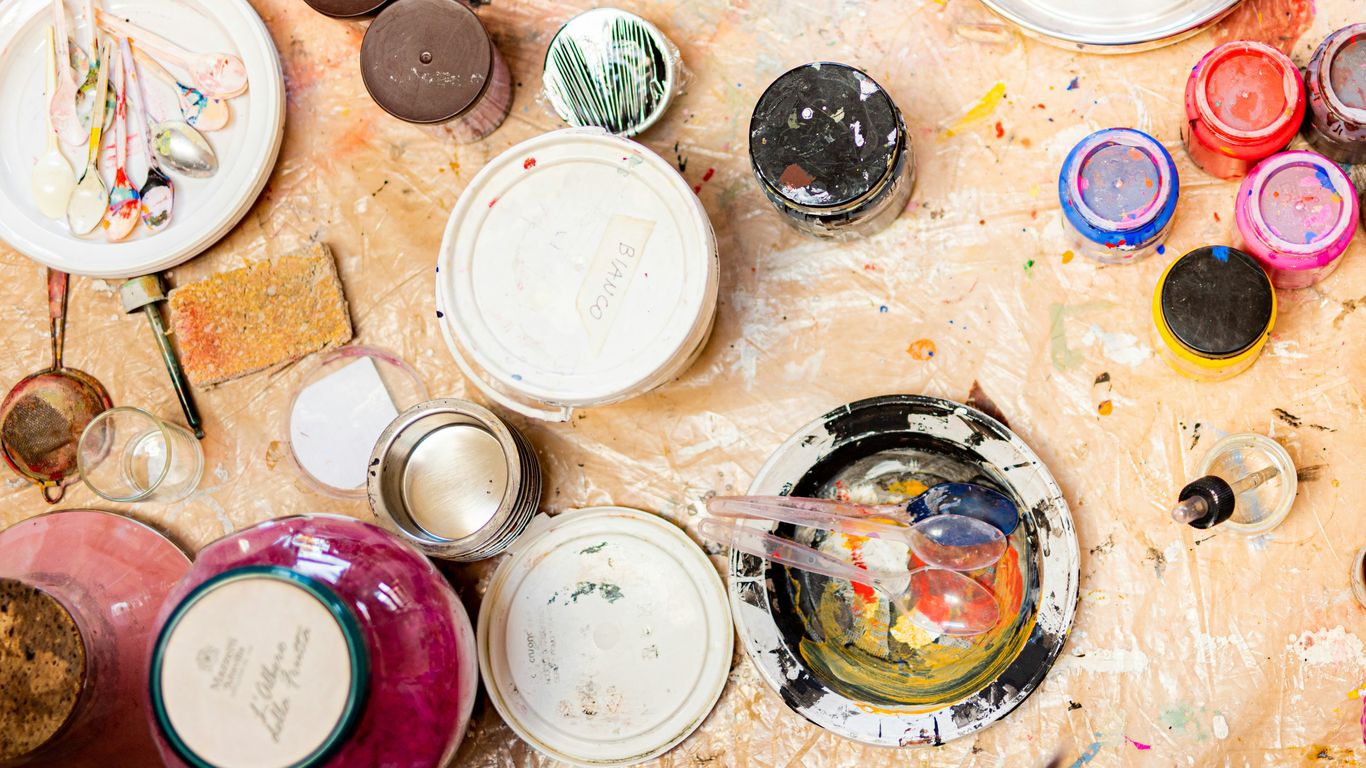
The drying process is a physical evaporation of water, resulting in the coalescence of binder particles. Once that water is gone, the paint forms a water-resistant layer that cannot be reactivated with moisture. Recognizing this reality is key to controlling your workflow and the longevity of each piece.
Using retarders to extend working time
Retarders are additives that slow the rate of evaporation, giving you a wider window to blend colors. Use these sparingly, as adding too much can affect the paint’s potential to dry as a stable, hard film. It is always best to test your mixture on a scrap surface first.
The impact of environmental humidity and temperature
High temperatures and low humidity accelerate drying time significantly, while cool, damp air will keep your paint workable for much longer. Some artists use a humidified box or a spray bottle with a fine mist to manage the atmosphere around their easel. These small environmental adjustments make a noticeable difference during longer sessions.
Techniques for working with thick layers
When applying thick paint, ensure the bottom layers have enough time to dry before sealing them with a heavy application. Building slowly prevents trapped moisture, which could otherwise lead to cracks or uneven curing. Patience during the foundation stages pays off when you want a smooth, finished surface.
Cleaning and maintenance of painting tools
Cleaning is often the most neglected part of the painting process, yet it is vital to the lifespan of your equipment. Because acrylic cures into a plastic resin, it will ruin a brush if it is allowed to harden in the bristles. Keep a jar of water nearby specifically for rinsing brushes throughout the painting session.
Preventing acrylic from drying on brush bristles
Make it a habit to rinse your brushes frequently while you work. If you must set a brush down, lay it flat so that the water and pigment do not soak into the ferrule, which could cause the bristles to splay. This simple action significantly extends the life of your synthetic tools.
Safe disposal of rinse water and paint waste
Acrylic solids should never be rinsed down the drain, where they can accumulate in pipes. After you have cleaned your brushes in a container, let the rinse water sit until the particles settle to the bottom. Once settled, you can pour off the clear water and dispose of the solid pigment sludge in the trash.
Rescuing stuck brushes with specialty cleaners
If a brush does get caked with dried paint, specialty brush cleaners can sometimes restore the bristles. Gently massage the soap into the fibers and allow it to sit for the recommended time before rinsing. While this procedure isn’t always successful, it is often worth a try before discarding valued tools.
Caring for palette knives and palette surfaces
Palette knives are easy to maintain because they are non-porous and do not absorb pigment. Simply wipe them clean with a damp cloth or a paper towel before the paint dries. For those who view our privacy policy during shop interactions, please know we focus on maintaining top-tier standards for every creative journey.
Conclusion
Mastering the art of acrylic paint is a rewarding journey that combines technical understanding with personal creativity. By respecting the drying times and maintaining your equipment, you set the stage for expressive work that remains vibrant for years to come. Continue experimenting to find which techniques and surfaces best suit your unique style.
Frequently Asked Questions
Can you paint over acrylics with oil paint?
Yes, you can apply oil paint over acrylics, but you should never apply acrylics over a dry oil paint layer. The flexibility differences between the two mediums mean that acrylic on top of oil will eventually peel away as the oil surface shifts.
Is acrylic paint considered toxic to humans?
Most high-quality artist-grade acrylic paints are non-toxic, but you should always check the label for certifications. Avoid ingestion, inhalation of spray mists, and get-it-in-the-eyes contact to stay on the safe side of usage.
How long should I wait between layers?
Depending on the environmental conditions and the thickness of your application, you should generally wait fifteen to thirty minutes. A light touch test with your finger is the most effective way to see if the underlying layer is safe to work over.
How do I stop edges from drying too fast?
Using a stay-wet palette or adding a small amount of retarder medium can help significantly. These tools help keep the pigment moist, making it easier to achieve soft transitions between colors despite the natural fast-drying nature of the acrylic binder.
Can I use acrylics on canvas board?
Canvas board is excellent for acrylic painting because it provides a rigid surface that is often pre-primed. It is lightweight, affordable, and perfect for beginners practicing their initial strokes or developing new color palettes.
What is the purpose of a varnish on acrylics?
A varnish provides a protective, uniform finish that safeguards your artwork from dust, ultraviolet light, and mechanical damage. It also helps unify the surface if you have used a mix of matte and gloss paints in a single painting.
Do I need special water for thinning acrylics?
Standard tap water is usually sufficient for thinning your paint, although distilled water is preferred if you live in an area with hard water full of minerals. Avoid using excessive water, as it can break down the polymer emulsion, leading to a weak film once the painting dries.