Key Takeaways
To ensure your project is a success, focus on these five essential areas when selecting a fabricator for your specific requirements.
- Define your design and material needs clearly before starting the tender process.
- Verify technical equipment like laser cutters to ensure your project receives high-precision finishes.
- Prioritise fabricators with a robust local portfolio that showcases experience in the Malaysian market.
- Always check material sourcing to confirm if cast or extruded acrylic is being used for your order.
- Request transparent pricing and clear communication channels to manage your project budget efficiently.
Define your project requirements
Planning your project thoroughly is the bedrock upon which high-quality results are built. When you approach a partner to handle your custom acrylic components, knowing exactly what you need in terms of structure and aesthetics helps avoid costly delays. Take the time to outline your objectives so that the final product meets your vision while remaining functional and durable.
Identifying the intended use case
The specific environment where your project will be installed dictates the technical requirements for the material. For indoor displays, aesthetics and clarity might take precedence, whereas outdoor signage needs to withstand exposure to sun and rain, making UV resistance absolutely vital for long-term integrity.
Determining design complexity and dimensions
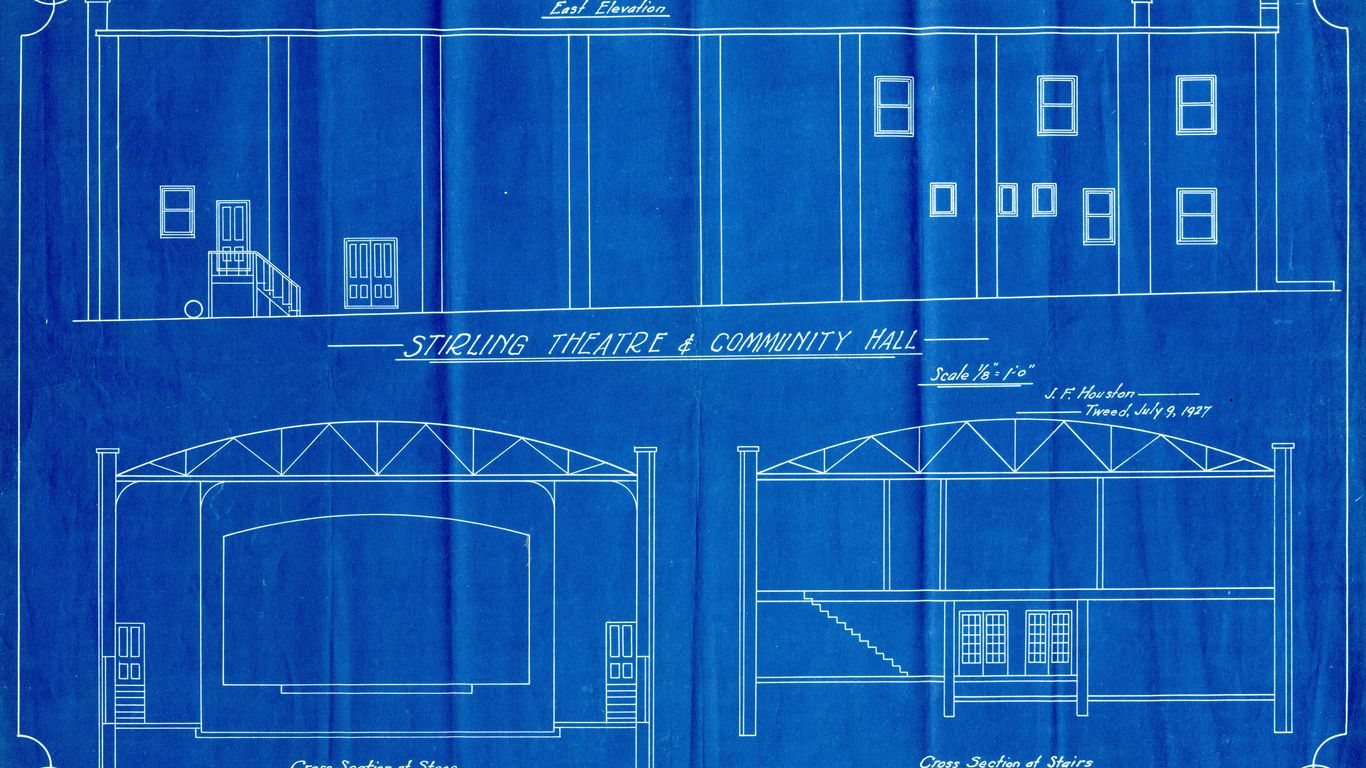
Every design comes with its own structural demands based on the intended size and shape. Translating your creative vision into a buildable schematic requires understanding how different thicknesses of acrylic support weight and handle stress across various lengths and spans.
Establishing budget and material preferences
Balancing your financial constraints with material quality requires a clear understanding of the market. Working with a trusted vendor like Acrylic.my allows you to compare costs while ensuring you do not compromise on the specific clarity or physical strength your design necessitates.
Understanding custom acrylic finishing options
The finish you choose influences everything from how the product feels to how it reflects light in a space. You might consider frosted finishes for privacy, white opal for backlighting, or high-gloss clear for maximum transparency, each adding a distinct visual element to your finished piece.
Evaluate technical capabilities and machinery
Finding a fabricator with the right machine park is essential for achieving the precision your design language demands. Modern tools allow for intricate work that manual labour simply cannot replicate, ensuring that every edge, cut, and joint adheres to strict tolerances. When you review their setup, look for specialized equipment that demonstrates their professional capacity for acrylic fabrication as a whole.
Precision of laser cutting and CNC routing
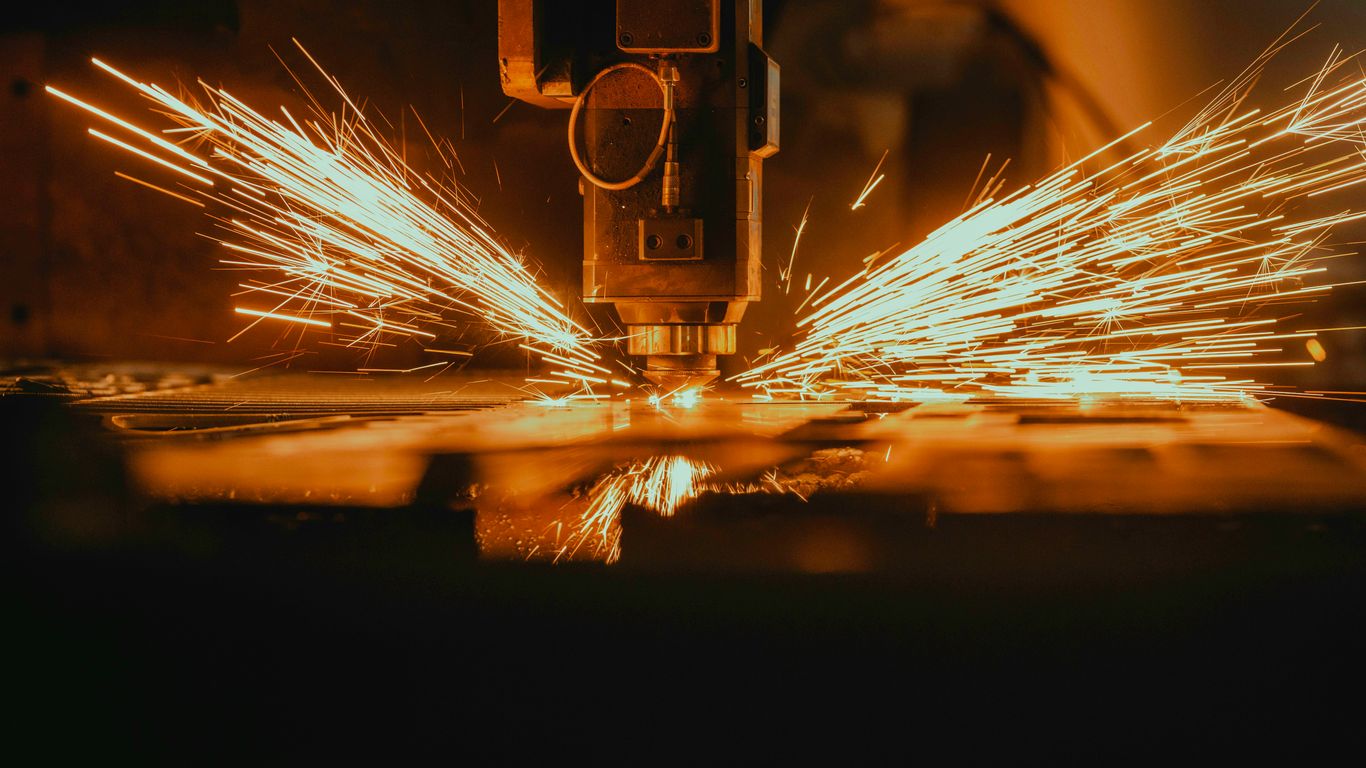
Advanced laser cutting is essential for achieving clean edges and intricate detail in custom acrylic projects. Our analysis of fabrication precision and efficiency shows distinct capability differences between different machine types, outlined in the table below.
| Process Type | Accuracy Level | Material Suitability | Best For |
|---|---|---|---|
| Laser Cutting | High | Most Acrylic Types | Intricate patterns and shapes |
| CNC Routing | Medium | Thick Acrylic Sheets | Structural furniture and parts |
| Manual Band Saw | Low | General Bulk Cutting | Simple rectangular pieces |
This breakdown helps project managers decide which process creates the most efficiency for their specific design requirements.
Edge polishing and surface treatment techniques
Once the primary cutting is complete, the edges require specialized polishing to ensure a smooth, professional feel. Whether through mechanical buffing or flame polishing, the quality of this treatment significantly alters the product’s light-transmitting properties.
Capabilities for adhesive bonding and assembly
Mastering the chemistry of bond joints is what turns flat sheets into stable three-dimensional objects. A professional fabricator treats these bonds with care, ensuring the final visual result is clean and the structural connection is strong enough for the intended use.
Flexibility in handling bulk versus prototype orders
Whether you need a single proof of concept or a large-scale manufacturing run, your provider should offer scalable services to match. This flexibility is crucial for project success because it allows you to test small batches before committing your entire budget to a larger production run.
Verify track record and industry expertise
Proving the value of a fabrication partner often comes down to their history of successful client outcomes. It is helpful to step back and examine how they have managed corporate branding projects in the past, as these demanding jobs reflect their reliability in meeting tight deadlines and complex design requirements. Taking the time to verify these points ensures you are working with a truly skilled team.

Reviewing portfolios for similar Malaysian projects
Reviewing previous work gives you a tangible sense of the fabricator’s craftsmanship and creative range. Look for completed pieces that share some of the complexity or material thickness you are aiming for in your current project.
Seeking client testimonials and case studies
Reading firsthand accounts from past clients provides insight into the reliability and professionalism of the fabrication firm. A consistent record of positive feedback suggests that the provider understands not just the mechanical side of things, but also the importance of client services.
Assessing capability for niche design requirements
Sometimes a project calls for something outside the standard offerings. These situations require a fabricator willing to consult and experiment, proving their ability to handle non-traditional design requests with expertise.
Checking for relevant industry certifications
Certifications demonstrate a commitment to meeting recognized standards for safety, material handling, and finished product quality. This level of verification is important for commercial projects where regulatory compliance directly impacts professional liability and structural maintenance.
Assess material quality and sourcing
Quality materials serve as the foundation of every strong, durable acrylic product. Ensuring your fabricator sources only high-grade materials reduces the likelihood of yellowing, cracking, or surface degradation over time.

Sourcing high-grade cast versus extruded acrylic
The raw material choices you make will dictate the lifespan and aesthetic clarity of your final result. Practitioners often select materials based on these key factors:
- The internal molecular structure required for laser-engraving frost.
- The need for specific chemical resistance in wet environments.
- Availability of UV-stabilized grades for direct sunlight exposure.
- Overall thickness uniformity required for structural projects.
These considerations help you get the best value from your investment.
Understanding UV resistance and durability specifications
Not all acrylic is created equal when it comes to long-term environmental performance. High-grade panels explicitly marked for UV resistance are designed to maintain their optical clarity for a decade or longer, even in the tropical weather conditions typical across Malaysia.
Checking inventory transparency and supply chain reliability
Knowing that your fabricator maintains a steady inventory reduces the risk of project stalls or unexpected material substitutions. A reliable provider should share their sourcing process openly, giving you confidence that the correct grade is being used for your specific order throughout the entire production lifecycle.
Verifying compliance with local safety and quality standards
Local building codes and material regulations define the safe use of plastic components in public areas. Verifying that your sheets satisfy these conditions ensures that your installations remain compliant, which is vital for any commercial location operating within established Malaysia industrial sectors.
Consider project lead times and logistics
Logistics and scheduling are the moving parts that bring your deadlines from theory into reality. Even when you are working with a provider like Acrylic.my that is known for being responsive, it is practical to map out the critical path for your bespoke design steps to ensure a smooth transition from drafting to delivery.
Estimating production timeframes for bespoke designs
A realistic timeline accounts for every stage of your project, from the initial consultation to the final finishing and curing processes. Factoring in extra time for design reviews avoids the rush that often leads to compromised results.
Evaluating delivery and installation services across Malaysia
Geography plays a role in how physical goods reach your door, especially with delicate material. Ensuring your supplier has experience with domestic transit and professional installation keeps the risk of breakage low while keeping the timeline on track.
Managing emergency timelines and urgent project requirements
Occasionally, the unexpected happens and a tight deadline becomes unavoidable. A good service provider maintains a buffer for these scenarios, or at least communicates clearly about what is realistically possible within a shortened window.
Coordinating multi-stage project distribution
For large-scale rollouts that span multiple locations or project phases, planning is everything. Proper coordination ensures that products are delivered when the site is actually ready for them, which avoids storage problems and reduces the risk of accidental site damage.
Compare pricing transparency and client support
Transparency in costing is a hallmark of an expert partner who values long-term collaboration over a quick, one-time sale. When you receive a proposal, it should be clear how your budget is being spent, accounting for materials, labour, and any custom shop services included in the bid.
Analysing detailed cost breakdowns versus flat quotes
A detailed breakdown allows you to see where your money is going, making it easier to adjust elements of the design if you need to optimize costs. Flat quotes might seem simple, but they often mask high margins on simple parts or lack the nuance required for a custom bespoke order.
Evaluating communication standards and project management processes
Consistent communication is the glue that holds a fabrication partnership together. You should expect regular updates, clear contact points, and a professional process that documents every change to the original brief so that everyone stays perfectly aligned.
Identifying value-add design consultation services
A great fabricator does more than just follow instructions; they act as an advisor who can warn you about potential issues and suggest superior alternatives. Engaging with these value-add consultations early on will frequently improve your project’s longevity and aesthetics.
Reviewing after-sales support and warranty policies
Knowing what happens after the delivery of your product provides peace of mind. A firm that stands by its work with warranties and clear post-installation guidance shows they are committed to your success long after the final invoice is paid, which is why contacting them directly for support is a good standard approach.
Conclusion
Choosing the right partner for your custom fabrication needs involves balancing technical capabilities, material wisdom, and a reputation for consistent service delivery. By applying the considerations detailed throughout this guide, you can confidently evaluate potential suppliers in Malaysia to ensure your project receives the precision, quality, and support it deserves.
Frequently Asked Questions
What is the advantage of using cast acrylic over extruded alternatives?
Cast acrylic is produced as a solid sheet, providing superior clarity and hardness compared to extruded sheets, which makes it ideal for projects needing high-grade laser engraving or polished edges.
How do I maintain clear acrylic surfaces to prevent scratches?
To maintain your acrylic pieces, clean them gently with water and a soft microfiber cloth; avoid harsh chemical cleaners which can cause surface hazing or micro-cracks over time.
Does sunlight affect acrylic products over time?
High-quality, UV-stabilized acrylic is designed for longevity and will not yellow with age, although long-term exposure to direct, harsh cycles of sun may slightly impact color-coded transparent varieties.
Can custom acrylic panels be used for wet outdoor locations?
Yes, acrylic is naturally water-resistant and does not rot like wood, making it a common choice for protective bathroom screens, outdoor signage, and panels in humid environments.
Why is the thickness of my acrylic sheet so important?
Thickness directly dictates the structural rigidity and weight of your item; thinner material works well for decorative items, while thicker material is required for furniture, tabletops, or load-bearing displays.
How does the fabrication process impact the final cost of my project?
Complex designs requiring multiple CNC steps, manual assembly, or intricate edge polishing will naturally require more labour hours, which is the primary factor driving total production costs.
Can I order a small prototype before finalizing a large production order?
Many experienced fabricators offer a small-batch service specifically for prototypes, which allows you to verify the design’s form and function before moving ahead with a full manufacturing run.