Key Takeaways
Professional acrylic fabrication services transform raw plastic sheets into versatile, high-precision components used across retail, architecture, and engineering. Understanding fabrication techniques, material properties, and quality standards is essential for achieving optimal project outcomes and long-term durability.
- Precision fabrication methods like laser cutting and CNC machining allow for intricate geometries and clean finishes.
- Selecting between cast and extruded grades depends on your requirements for optical clarity and physical stability.
- Custom design projects benefit from early CAD optimisation, efficient nesting, and standardised tolerancing.
- Quality assurance, including edge inspection and dimensional verification, ensures that completed components meet exact functional specifications.
- Effective logistics and clear communication with your service provider facilitate smoother project delivery and reduced risk.
Understanding acrylic fabrication processes
Laser cutting techniques for precision
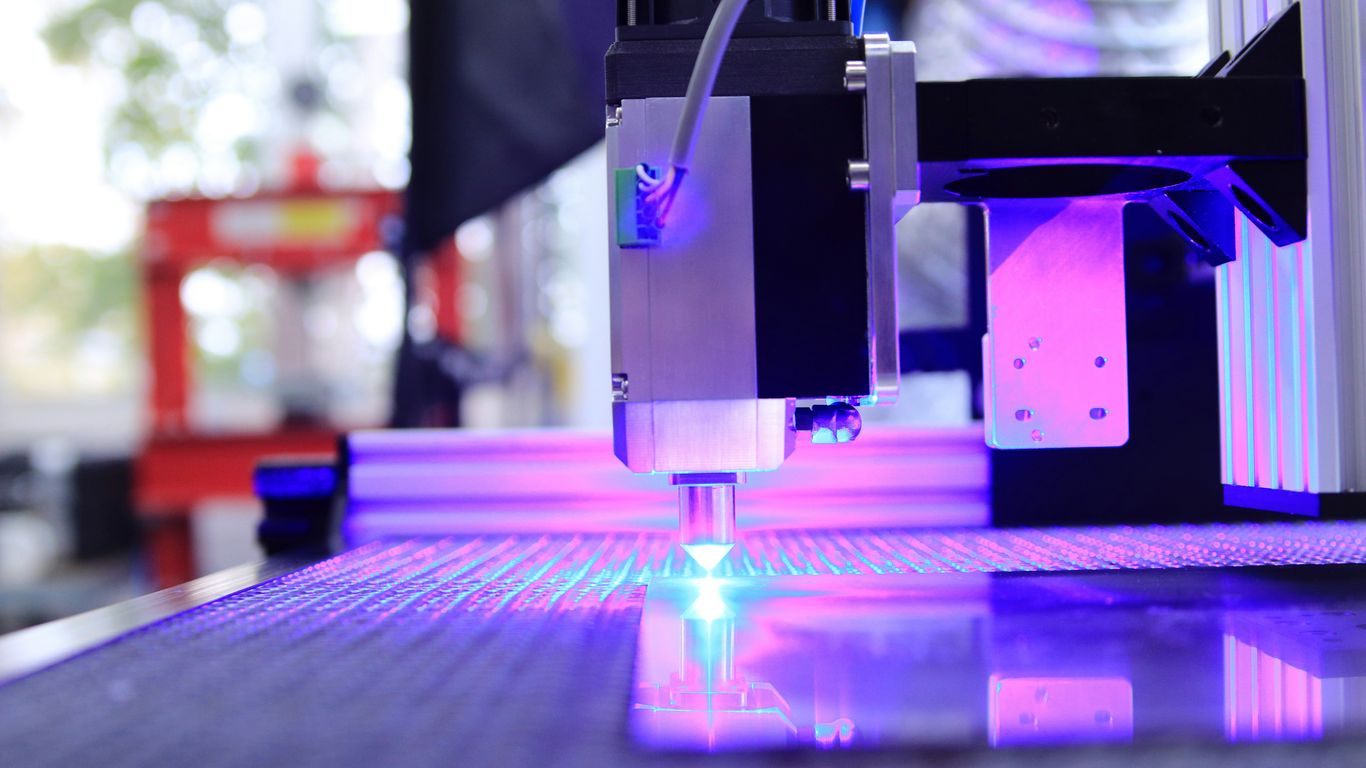
Laser cutting delivers exceptional accuracy when processing acrylic sheets, functioning by using a focused beam of light to vaporise material along a specific path. This method is preferred for projects requiring intricate designs, sharp inner corners, and smooth edges that often require little secondary finishing. By leveraging advanced equipment, fabricators can produce highly consistent results at significant speeds, making laser cutting an ideal choice for both bespoke signage and repeated components.
CNC machining for complex geometries
Where laser cutting stops, CNC routing often begins, providing the ability to shape material in three dimensions rather than simply cutting along a surface path. This approach is highly effective for creating recessed details, bevelled edges, or complicated profiles that need to maintain structural integrity across various material thicknesses. Utilising CNC routing ensures that even the most complex design requirements are translated accurately into functional physical products.
Heat bending and thermoforming methods
To move beyond flat panels, professionals use heat bending to create elegant, seamless curves that maintain the material’s structural strength over long periods. By heating acrylic locally or uniformly until it reaches a malleable state, technicians can bend sheets over jigs to form display stands, brackets, or protective covers. Proper bending an acrylic sheet requires meticulous attention to temperature control to prevent bubbles or surface imperfections, ensuring high-quality, professional results.
Solvent bonding for seamless joins
Creating strong structural integrity between panels is best achieved through solvent bonding, where edges are fused together at a molecular level rather than just adhered with tape or glue. This process creates clear, unobtrusive joins that are almost invisible, enhancing the aesthetic appeal of display cases or architectural features. When correctly executed, the resulting component acts as a single, unified piece.
Selecting the right acrylic grade for your project
Extruded acrylic versus cast acrylic performance
Selecting the correct material is vital to ensure that your final product performs as expected in its intended environment. Cast acrylic is often chosen for its superior clarity and hardness, while extruded acrylic is prized for its ease of fabrication and cost-effectiveness in high-volume production. Understanding cast vs extruded acrylic properties will help you balance mechanical requirements like stiffness against your project budget.
Considering thickness and optical clarity requirements
Depending on the application, you may need specific thicknesses to prevent bowing or to provide structural load-bearing capacity for enclosures. Standardised acrylic sheet options offer different levels of light transmission and surface resilience, which are critical when designing for high-end retail lighting or clear security barriers.
Evaluating scratch resistance and UV stability
Acrylic naturally resists the yellowing effects of sun exposure, but specialized grades can offer enhanced long-term performance for outdoor structural installations. If your project faces heavy traffic or repetitive handling, considering surface treatments or specific acrylic grades that support ongoing maintenance is essential for longevity.
Matching material properties to specific industrial applications
Selecting the right material requires an understanding of how acrylic responds to its specific use case. The following table provides a guide for matching common grade types to their primary strengths during fabrication:
| Application Type | Recommended Acrylic Grade | Benefit for Fabricator |
|---|---|---|
| Retail Point of Sale | Cast Acrylic | Superior surface finish |
| Machine Housing | Extruded Acrylic | Cost-effective and durable |
| Architectural Signage | UV-Stabilised Cast | Weather resistance |
After matching your project requirements to the right material, you can proceed with confidence into the design and prototyping phase.
Key considerations for custom design projects
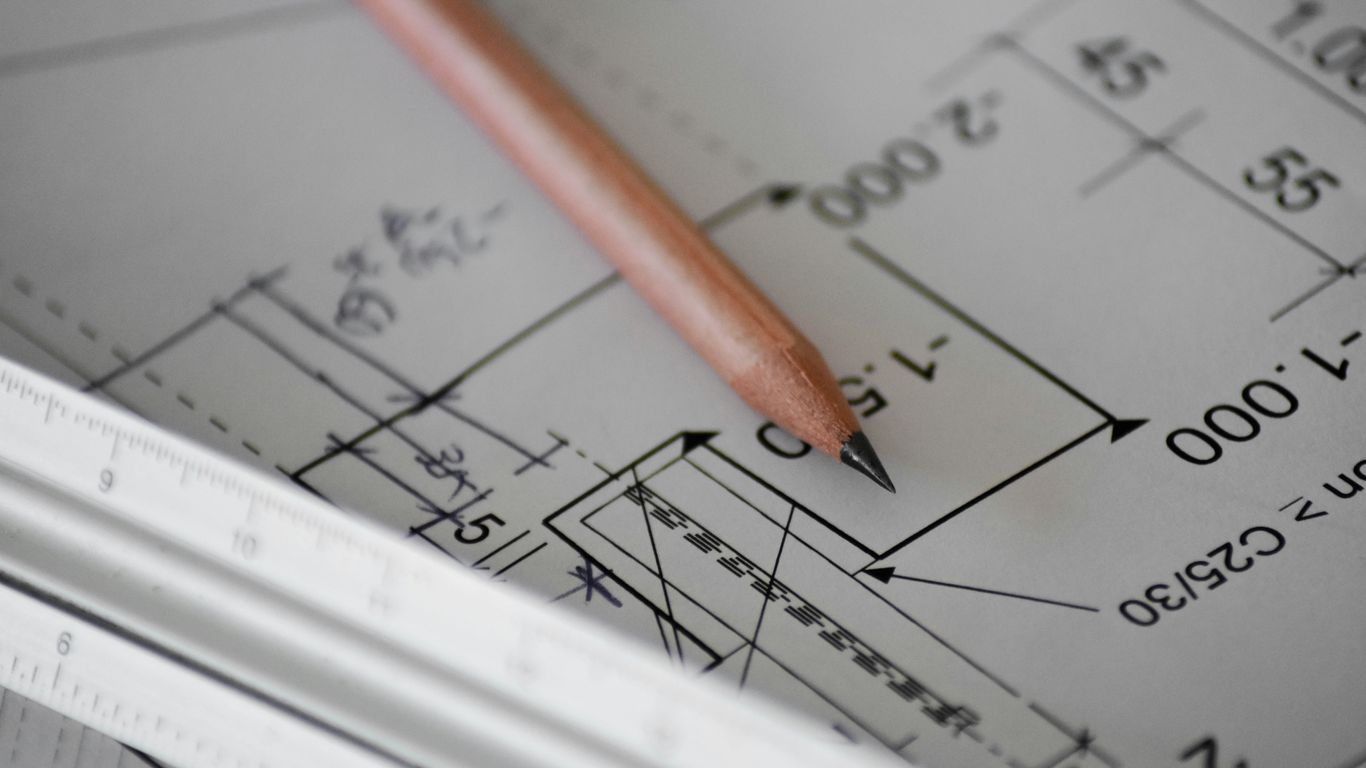
Optimising design files for CAD compatibility
Success in custom fabrication begins with the digital files sent to your manufacturer, which should be clean, layered, and free of redundant vector nodes. Clear communication regarding dimensions and radii allows the shop to set up cutting machines without requiring significant manual adjustments. This preparation is a fundamental part of custom acrylic fabrication and sets the stage for efficiency.
Managing industry-standard tolerances in plastic components
Acrylic is a thermoplastic that reacts slightly to humidity and temperature fluctuations, meaning that absolute precision isn’t always possible over large expanses. Professionals set clear tolerance ranges for cut-to-size parts which help manage expectations while ensuring that individual components fit together flush during assembly.
Reducing material wastage through efficient nesting
Efficiency in workshop costs is often won during the layout phase, where parts are arranged on a sheet to maximize surface usage. A well-considered nesting strategy doesn’t just lower material costs; it reduces the time machines spend cutting, which directly lowers project costs. For your own planning, consider these factors when reviewing a proposed file layout:
- Grain direction alignment if using specialized aesthetic finishes.
- Minimum material bridging between parts for component stability.
- Allowance for tool width during the cutting path calculation.
- Orientation to minimize scraps which could be repurposed later.
Effective nesting turns design files into actionable production steps that save time and resources without sacrificing quality.
Incorporating branding through engraving and printing
Beyond functional shaping, you can elevate your project by integrating branding directly into the material surface through laser engraving or modern digital colour methods. Utilizing high-resolution UV printing on acrylic allows designers to add rich, vibrant colours that are protected by the acrylic itself, resulting in a premium, professional-looking final product.
Evaluating quality standards in fabrication services
Assessing certifications and quality assurance protocols
Reputable fabricators maintain clear logs and inspection processes, ensuring that every batch meets agreed-upon performance metrics. Whether dealing with food-grade applications or strictly aesthetic displays, understanding a company’s commitment to consistent quality management is a vital part of your selection process.
Inspecting edge finish quality and thermal stress
Professional fabrication is measured by the quality of its edges, which should be free of chips, chatter marks, or micro-cracks caused by incorrect cooling rates. Proper acrylic edge polishing produces a crystalline, glass-like finish that is smooth to the touch, reflecting the care taken during the shaping process.
Testing dimensional accuracy against initial prototypes
For large-scale projects, testing the first few units allows for adjustments in machine speed or cooling parameters before full production begins. A proactive fabricator will walk you through these early-stage results, verifying that the physical product matches the technical drawings provided.
Protecting surface finishes during handling and manufacturing
Acrylic is susceptible to surface marring before its final assembly, which is why technicians use protective film on both sides of the sheet until the very last step. Handling practices, including the use of soft lifting gear and dedicated storage racks, ensure that the finished item arrives with the same optical clarity it had when it left the factory floor.
Strategic advantages of bespoke acrylic manufacturing
Improving product aesthetics for high-end retail displays
Acrylic offers a sophisticated appearance that enhances the presentation of luxury goods, creating an inviting visual environment that is difficult to replicate with traditional materials. By using bespoke acrylic manufacturing, retailers can design display systems that feel custom-built for a specific product, increasing engagement and perceived value.
Engineering durable solutions for technical machine housing
Acrylic provides the necessary mechanical strength and visibility required for safety guards and protective enclosures in manufacturing environments. Because it is chemically inert and easy to sanitize, it serves as a robust solution for technical machine housing where hygiene and oversight are essential.
Scaling production from low-volume prototypes to mass manufacture
Partnerships with skilled fabricators allow you to grow your project requirements from a single handmade prototype into a full production run as demand increases. This scalability ensures that your business can refine a design through small batches before committing fully, managing investment risks effectively.
Managing lead times and project lifecycle expectations
Clear communication regarding your project timeline allows the fabricator to plan machine availability and material inventory, preventing unnecessary delays. Discussing your long-term project plans early allows you to align your goals with the shop’s operational capacity, fostering a stable, long-lasting working relationship.
Navigating procurement and logistics
Communicating technical specifications to fabricators
Drafting clear design intent and material requirements is the best way to ensure that the final quote you receive accurately reflects the work you expect. Including all necessary details—from edge finish to hole placements—prevents back-and-forth ambiguity and speeds up the estimation phase for your custom acrylic order.
Comparing quotes based on vendor service capabilities
When comparing prices, remember that professional services often include design consultation, material sourcing, and specialized packaging that protect your project investment. Contact our team to discuss your specific requirements. A quote should clearly outline what processes are included, such as polishing, bonding, or specialized finishing.
Implementing packaging solutions to prevent transit damage
Because acrylic can be delicate during shipping, standard boxes are rarely enough for complex or large components. Bespoke packaging, including custom-cut foam inserts or rigid wooden crating, ensures that high-quality components remain pristine throughout the journey to your site.
Understanding environmental compliance and end-of-life recycling
Modern fabrication workshops are increasingly focused on reducing waste and improving the recyclability of their off-cuts and finished remnants. Understanding your fabricator’s commitment to material disposal or recycling programs helps you meet your own organizational sustainability goals and environmental responsibilities.
Conclusion
Professional acrylic fabrication services provide the technical expertise and equipment necessary to turn raw acrylic sheets into high-performance, aesthetically pleasing finished goods. By focusing on material selection, precise design, and robust quality standards, you can ensure that your project succeeds, balancing function with the clean, modern look that only premium acrylic can provide.
Frequently Asked Questions
What is the advantage of using cast acrylic over extruded acrylic?
Cast acrylic is produced via a cell-casting process that yields higher optical clarity and greater hardness, making it more resistant to heat, bending, and harsh chemical cleaning compared to the more flexible extruded variety.
How should I clean my finished acrylic product to maintain its clarity?
It is best to clean acrylic with a soft, microfiber cloth and a mild soap-and-water solution, always avoiding abrasive scrubbers or window cleaners that contain ammonia which can cause surface crazing over time.
Can I use acrylic for outdoor signage purposes?
Yes, acrylic is naturally weather-resistant and UV-stable, which prevents it from yellowing even after prolonged exposure to sunlight, making it an excellent choice for external commercial displays and architectural lettering.
What are the standard tolerances for laser cutting acrylic?
While tolerances depend on thickness, laser cutting is typically very accurate with variations often staying within a few tenths of a millimetre, allowing for very tight fits between components that are designed for modular assembly.
Is it possible to bond thick acrylic sheets together?
Yes, solvent welding is highly effective for bonding thick sheets, as it creates a chemical bond that holds the two pieces together at a molecular level, resulting in a finish that matches the base material’s clarity and strength.
How is surface protection handled during the fabrication process?
Protective film is left on the material for as long as possible throughout the cutting, bending, and assembly process to prevent any scratches or surface damage until the product is ready to be delivered or installed by the client.
What information should I include when requesting an acrylic fabrication quote?
Your quote request should be as detailed as possible, including CAD design files, clear material preferences such as grade and colour, required thickness, quantity of parts, and any special requirements for edge finishes or joining methods.