Key Takeaways
Custom-made acrylic offers versatile solutions for diverse design and structural needs while providing superior clarity and durability compared to traditional materials. Understanding the distinct manufacturing processes and material properties is the first step toward successful product creation.
- Cast acrylic provides better optical clarity and chemical resistance for premium displays.
- Precisely engineered CAD designs and prototyping are essential for structural integrity.
- Modern techniques like laser cutting and CNC machining enable high-precision fabrication.
- Strategic finishing options enhance both aesthetics and functionality for commercial applications.
- Regular, proper maintenance prevents wear and extends the service life of acrylic products.
Understanding the properties of custom-made acrylic
Why choose acrylic over glass or polycarbonate
Choosing the right material is vital when creating specialized custom acrylic sheets for your needs. Acrylic serves as a lighter, more impact-resistant alternative to glass, making it highly suitable for custom acrylic products in high-traffic environments. While polycarbonate offers extreme durability, our experience at Acrylic.my confirms that acrylic remains the preferred choice for displays and signage because of its superior aesthetic clarity and scratch resistance.
Exploring differences between cast and extruded acrylic sheeting
Understanding the manufacturing journey of acrylic is key to selecting the right variant. Cell cast acrylic is produced through a batch process that results in consistent, high-density material which is superior for laser cutting and engraving. Extruded acrylic, however, is created through a continuous process, yielding a material that is softer and easier to thermoform but potentially less stable under high-heat conditions.
Assessing visual clarity and light transmission requirements
| Feature | Cast Acrylic | Extruded Acrylic |
|---|---|---|
| Optical Clarity | Excellent | Good |
| Thermal Stability | Higher | Lower |
| Cost-Effectiveness | Premium | Versatile |
Selecting the right sheet depends heavily on the intended application and transparency needs. Optical clarity is often the deal-breaker for museum-grade displays or high-end corporate art, where cast acrylic provides consistent, defect-free light transmission. Proper material selection ensures that your finished project maintains its brilliance and professional finish over time without yellowing or distortion.
Material thickness considerations for structural integrity
When calculating the thickness of a panel, you must account for the mechanical load it will support. A common error is using overly thin material for load-bearing displays or partitions, which leads to unwanted bowing or instability. Consulting with an expert team at Acrylic.my can help you determine the minimum gauge required for your architectural or cabinetry needs, ensuring long-term project performance.
Developing your bespoke project design
Translating initial concepts into technical cad files
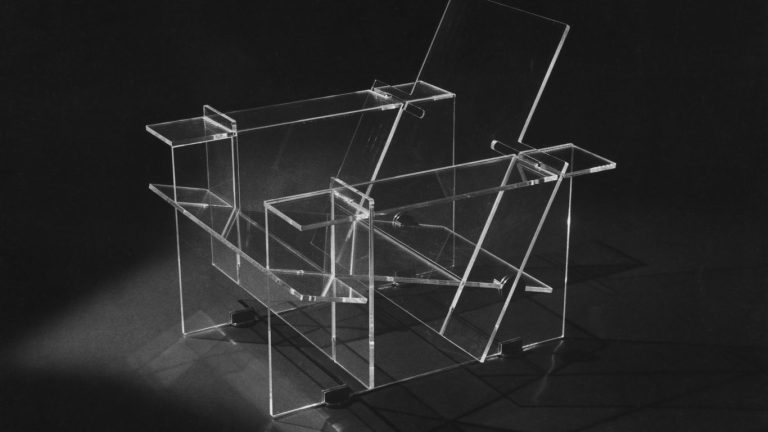
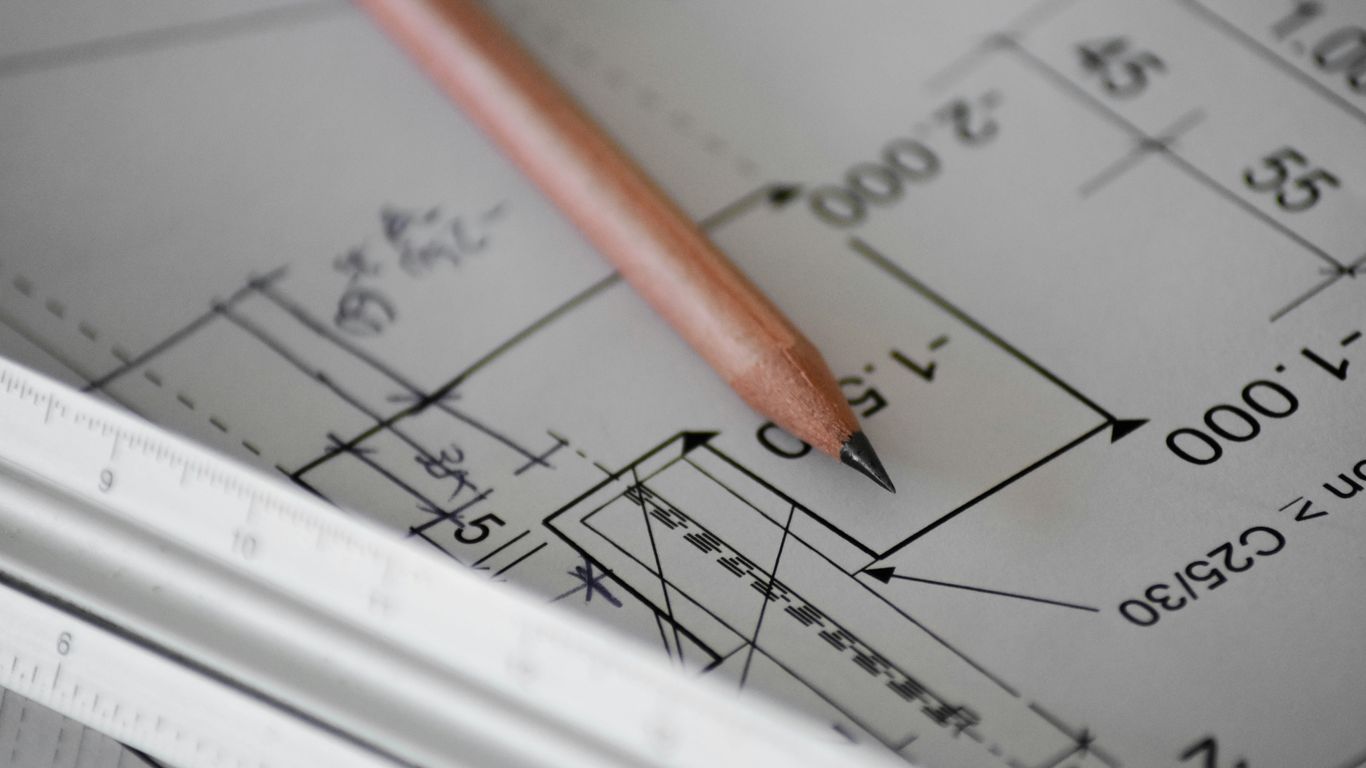
Effective bespoke acrylic design always starts with accurate technical drawings. Moving from a rough sketch to precise computer-aided design files allows for exact simulation before the acrylic item creation begins. These digital models capture every detail, from joint angles to attachment points, preventing costly errors during the physical production phase.
Prototyping effectively to validate spatial dimensions
Prototyping serves as an essential bridge between conceptual art and functional reality. It is a vital stage where you can observe how bespoke acrylic fabrication behaves in your specific environment. We follow these steps to refine our prototypes:
- Initial 3D modeling for spatial verification
- Low-fidelity mock-ups for ergonomics
- High-fidelity prototypes for material testing
- Refinement based on physical interaction
Once the physical mock-up proves the spatial fit, we can move forward with confidence, knowing the final assembly will meet all intended project requirements.
Planning for weight distribution in complex displays
Displays that support significant weight or span large areas require careful structural planning to avoid sagging or fracturing. We often incorporate internal support brackets or reinforced joints to maintain the clean, minimalist look associated with bespoke acrylic solutions. By managing load-bearing points during the design phase, you ensure that the aesthetic tailored acrylic solutions remain strong and safe under daily use.
Managing tolerances for precision-fit assemblies
Precision is everything when fabricating multi-component items. Whether designing an interlocking display case or a complex tiered stand, accounting for material expansion and contraction is vital. Professional fabricators ensure that every cut meets strict tolerances so that components interlock, bond, and align perfectly, resulting in a cohesive, high-quality final unit.
Modern fabrication and cutting methods
Laser cutting for intricate edges and fine details
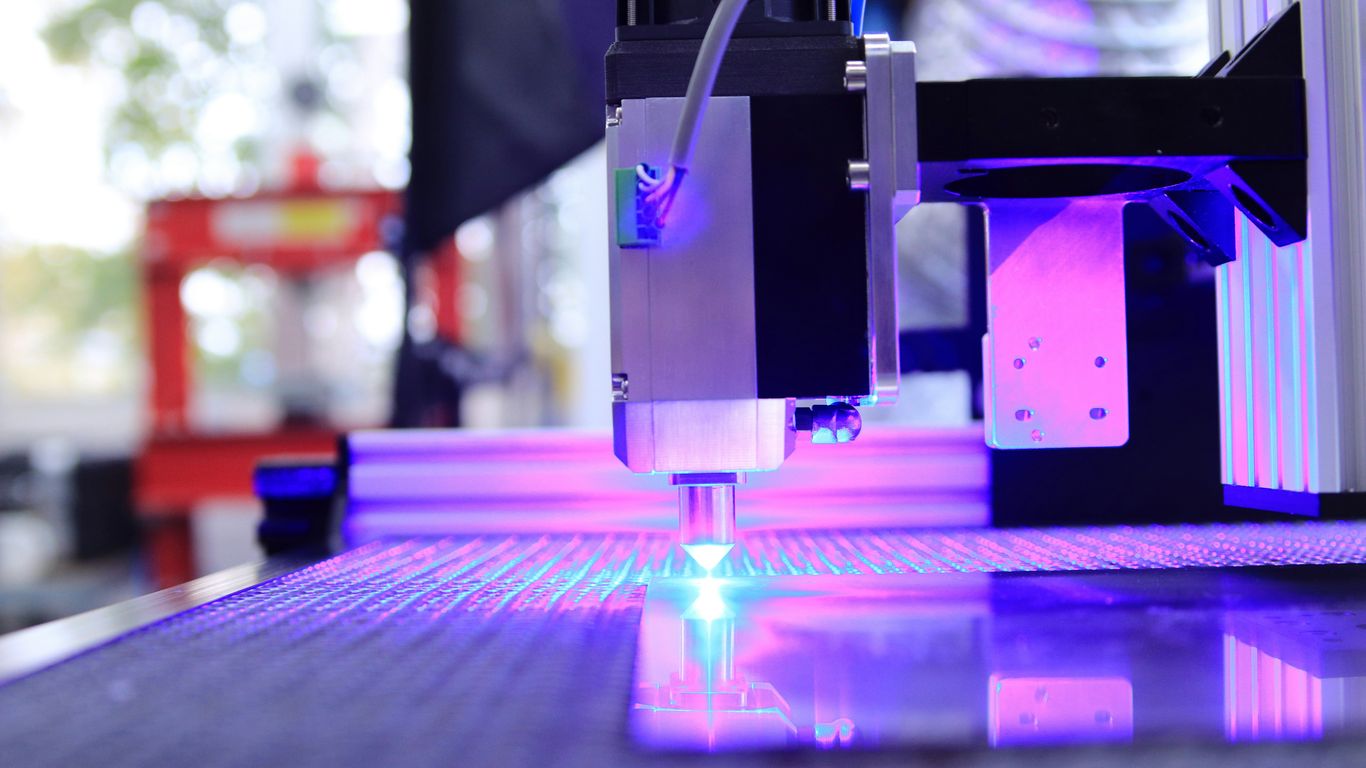
Laser technology offers unmatched precision for intricate work. This method allows for complex, delicate cutout designs and smooth, polished edges that are difficult to achieve through traditional mechanical sawing. It minimizes material waste and ensures consistent accuracy across small batches or individual custom pieces.
Cnc machining for complex three-dimensional shapes
For projects requiring depth, contouring, or internal cavities, CNC machining provides the necessary mechanical control to sculpt acrylic into complex 3D forms while preserving the material’s structural properties.
CNC routers allow us to create unique grooves, counter-sink holes for hardware, and three-dimensional surfaces that enhance the visual interest of any display. When combined with smart tooling, CNC machining lets fabricators achieve results that would otherwise be impossible with standard cutting tools, maintaining quality and speed for large-scale production.
Diamond polishing for professional grade transparency
After cutting, raw edges can appear cloudy or sharp. Diamond polishing restores the natural, crystal-clear transparency of the acrylic, creating a professional-grade finish that looks almost invisible. It is a necessary finishing touch for edges that will remain exposed, providing a high-gloss look that matches the smooth surfaces of the sheet itself.
Heat bending techniques for curved structural elements
Curved elements add a modern, fluid aesthetic to custom-made acrylic pieces. Using precision heat bending, we can soften acrylic sheets along controlled lines, allowing them to be folded into elegant, continuous shapes without the need for glue joints. This technique creates a stronger final piece compared to bonding individual panels, as it maintains the material’s structural continuity.
Enhancing aesthetics with custom finishing
Applying digital printing directly onto acrylic surfaces
Modern printing technology allows high-resolution, full-colour designs to be applied directly to the surface of clear or coloured acrylic. This process creates vibrant, permanent imagery that resists fading, making it ideal for branding, signage, or decorative wall art. By placing designs on the reverse side of the acrylic, you gain depth and a lasting, protective barrier.
Frosting and sandblasting for privacy or light diffusion
Frosting creates a sophisticated, matte look that diffuses light beautifully, effectively hiding blemishes and reducing glare. This is particularly popular for interior partitions or privacy screens, where a soft, atmospheric effect is desired. The texture can be applied overall or selectively for creative patterns that play with light, highlighting the versatility of custom acrylic sheets.
Integrating permanent fixtures and hardware components
Functional designs often require the integration of hinges, locks, or standoffs. Our approach includes pre-drilling and mounting hardware during the fabrication process to ensure seamless alignment. Properly installed hardware not only improves the usability of tailored acrylic solutions but also ensures that heavy doors or mounted panels remain secure and balanced throughout their lifespan.
Using adhesive bonding techniques for seamless joinery
Chemical bonding is the secret to creating clean, invisible joints. Unlike mechanical fastening, adhesive bonding fuses the two pieces of acrylic together, creating a singular, unified structure. This results in incredibly strong joints that look seamless, fulfilling the desire for a clean, minimalist visual language across all bespoke acrylic fabrication projects.
Key considerations for commercial project feasibility
Managing batch quantities for cost-effective manufacturing
Scaling from a prototype to a full production run requires careful quantity planning. Manufacturing larger batches at Acrylic.my allows for better material utilization and streamlined setups, which reduces the per-unit cost for the client. We discuss these requirements early in the project to balance budget constraints with the total volume of custom acrylic products needed.
Ensuring compliance with safety and environmental regulations
Safety is paramount, especially when acrylic is used in public-facing or workplace environments. We prioritize adhering to local standards for durability and flame retardancy, ensuring every product is fit for its environment. Environmental consciousness is also integral, and we actively look for ways to optimize raw material usage, aiming to minimize industrial waste without compromising quality.
Evaluating material recyclability in your production cycle
Because acrylic is a thermoplastic, it offers significant advantages when it comes to material recovery. We encourage our partners to consider the full life cycle of their tailored acrylic solutions, including how redundant or old pieces can be processed. Being environmentally responsible helps build a sustainable supply chain for unique bespoke acrylic design projects in the long term.
Planning for lead times within bespoke supply chains
Every project is different, and realistic expectations regarding lead times are crucial for successful commercial delivery. Custom fabrication requires time for CAD work, prototyping, and carefully managed production. Communicating early about deadlines ensures that we can secure the necessary acrylic item creation resources to meet your schedule without rushing critical quality assurance steps.
Long-term care and maintenance for acrylic products
Preventing surface scratches during daily operation
Acrylic deserves gentle treatment to maintain its pristine look. Avoid using rough cloths or abrasive cleaning sponges that can create fine scratches over time. Always use soft microfiber towels with a light touch to wipe away dust particles, as trapped dirt can scratch the surface during wiping.
Selecting the right cleaning agents for chemical safety
Many household cleaners contain ammonia or other chemicals that can cloud or cause micro-cracking in acrylic. To ensure your custom-made acrylic stays clear, rely on mild soap and water solutions, or specifically formulated acrylic cleaners that safely break down grease and fingerprints without attacking the material’s surface integrity.
Strategies for restoring optical clarity in worn items
If surfaces appear dull or have developed light hazing, specialized plastic polishes can restore a shine. These compounds gently buff the top layer of the plastic to remove fine, superficial marks that accumulate after years of usage. With the right care and the correct polishing products, most items can be reclaimed to their original, high-clarity luster.
Implementing protective storage solutions for transport or display
Moving delicate items requires more than just careful packing; it requires protection from environmental factors and physical impacts. Using soft padding and protective film shielding during transit keeps surfaces clean and mark-free until the product arrives at its destination. Once displayed, ensuring the environment is stable also helps prevent long-term distortion in bespoke acrylic fabrication pieces.
Conclusion
Investing in tailored acrylic solutions provides a unique blend of elegance, strength, and practical durability that is hard to match with other materials. By understanding the fabrication process, selecting the appropriate material type for your specific bespoke acrylic design, and maintaining your final products with care, you can enjoy high-quality components that elevate your space or business for many years to come. Should you wish to discuss your upcoming project or need assistance with custom fitting, contact our experts to ensure every technical requirement is met.
Frequently Asked Questions
Does acrylic yellow if placed in direct sunlight?
High-quality cast acrylic is inherently resistant to the effects of ultraviolet radiation and will not yellow under normal sunlight exposure. However, prolonged exposure to harsh UV environments can still affect lower-grade extruded materials, so it is best to check the product grade before permanent outdoor placement.
Can I paint my acrylic panels at home?
While acrylic can be painted, the surface is inherently non-porous, meaning standard paints often peel or chip. You should use a specially formulated plastic primer and suitable topcoats that can chemically bond or adhere firmly to the synthetic surface to achieve a long-lasting, professional finish.
Is acrylic suitable for heat-intensive kitchen environments?
Acrylic is a thermoplastic, making it susceptible to softening under direct heat or open flame, typically beginning around 160 degrees Celsius. In kitchen settings, it is best kept away from direct contact with stove tops or ovens, though it serves effectively as a backsplash material when installed at a safe distance.
Does acrylic require internal lighting for visibility?
The material itself is transparent, but it is often used as a substrate for lighting features such as LEDs. By edge-lighting the acrylic or using it as a diffuser, you can create stunning illuminated effects, although the material does not generate its own light.
What is the advantage of diamond edge polishing over flame polishing?
Diamond edge polishing is a mechanical process that creates a near-perfect, square edge with maximum clarity, which is essential for structural joints. Flame polishing uses the heat from an open fire to melt edges clear, which can be inconsistent and may lead to microscopic stress cracks along the edges.
Are there eco-friendly alternatives to standard acrylic?
There are emerging sustainable acrylic options that prioritize lower carbon footprints and recycled content. These materials retain industrial-grade clarity and strength while helping to minimize the environmental impact of your fabrication projects.
Can custom-made acrylic items be repaired if cracked?
Small surface scratches can be buffed out using plastic polishing compounds, but significant cracks or structural breaks typically require professional repair or replacement. Because the material is chemically bonded, repairing a deep fracture often disrupts the clear optical path of the piece, impacting its aesthetic value.