Key Takeaways
Selecting the right material is essential for any creative or industrial project, and this overview highlights the versatility of various sheet options. Understanding the technical nuances ensures your end result is both functional and aesthetically pleasing.
- Cast acrylic offers superior optical clarity and hardness compared to extruded types.
- Acrylic is significantly lighter and more impact-resistant than traditional glass.
- Frosted finishes serve as excellent tools for privacy and soft light diffusion.
- Proper fabrication techniques, such as correct drilling and bonding, are vital for longevity.
- Maintenance involves gentle cleaning to prevent micro-scratches from accumulating over time.
1. Understanding the different types of acrylic sheet
Extruded acrylic vs cast acrylic
Choosing between these two fabrication methods is the first step in your design process. Cast acrylic provides excellent optical clarity and is generally harder, making it ideal for precision tasks like laser cutting. Extruded acrylic, on the other hand, is more consistent in thickness, which is a major benefit when you need uniform acrylic sheet properties across large panels.
Standard clear acrylic sheets
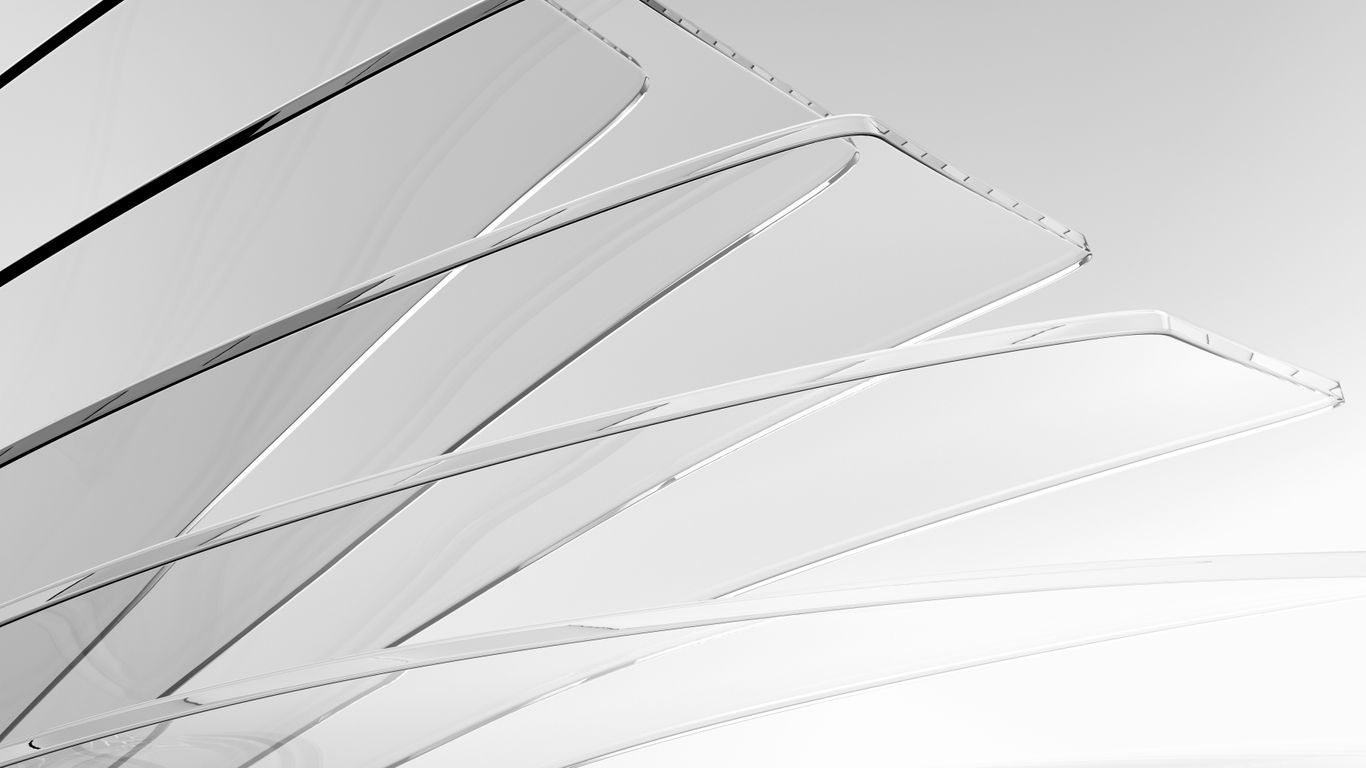
Standard clear acrylic is the go-to solution for those who require high transparency and structural integrity. Offering around 92% light transmission, these transparent acrylic sheets are a versatile replacement for glass. Their durability and ease of handling make them a reliable choice for everything from DIY project boxes to commercial displays.
Exploring frosted and satin finishes
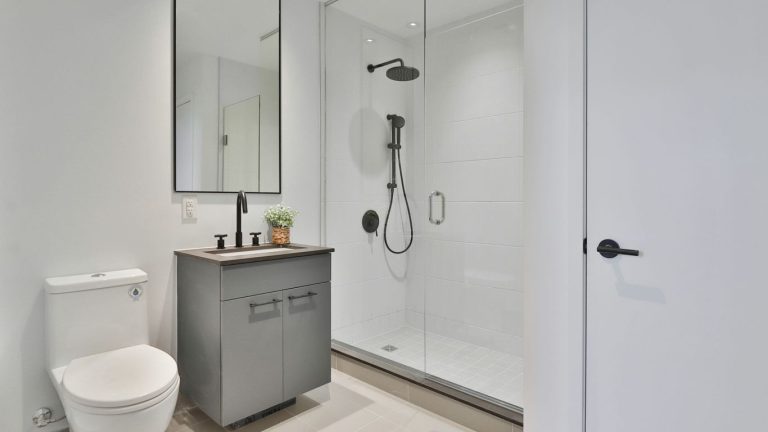
Frosted acrylic panels are manufactured to create a heavy matte appearance that effectively diffuses light while maintaining high visibility. They are particularly popular in interior design where privacy is balanced with natural illumination, such as in office partitions or as an alternative to frosted acrylic windows in bathrooms. The textured surface is also excellent at hiding minor imperfections or fingerprints that might otherwise be obvious on a high-gloss finish.
Decorative coloured and tinted options
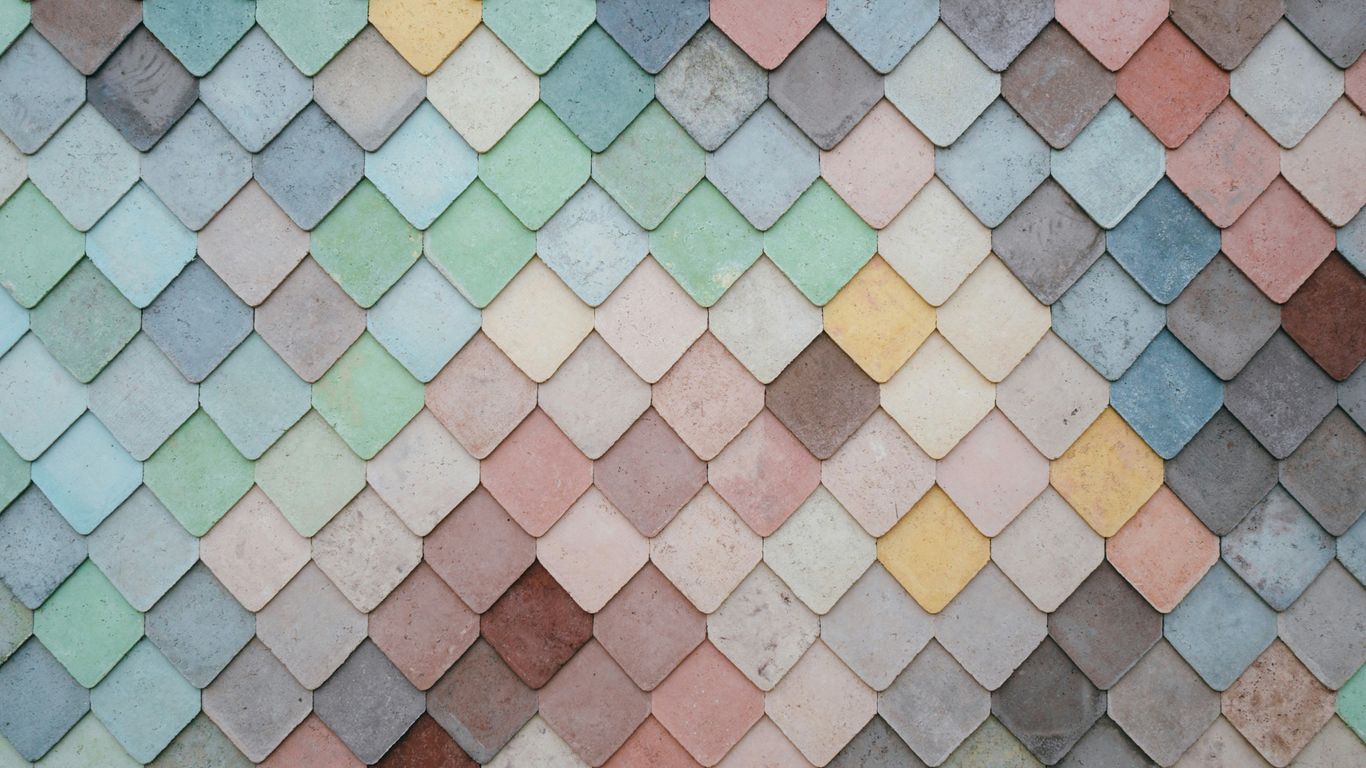
Adding visual interest to a space is simple when you leverage the vibrant spectrum of hues available in modern plastic sheeting. Tinted options offer a subtle way to manage light glare while maintaining color, while opaque white sheets are frequently used as a backlit backdrop for branding. Regardless of the project, finding high-quality coloured perspex panels allows you to match your exact design identity.
Mirrored acrylic for reflective surfaces
Mirrored acrylic provides a lightweight solution for spaces that require an illusion of depth or enhanced ambient light. These sheets are safer and more manageable than traditional glass mirrors, which makes them a regular fixture in Malaysian interior design projects. Because they are shatter-resistant, they serve as a practical element in high-traffic commercial environments.
2. Key properties and material benefits

Impact resistance and safety comparisons
When choosing between acrylic and glass, the most significant advantage is superior impact resistance. Acrylic does not shatter into dangerous shards when struck, which is why it has become the standard for protective barriers and public installations. This makes it an inherently safer material in homes with children or busy public retail corridors.
Light transmission and optical clarity
Acrylic is renowned for its remarkable optical properties, as it transmits more light than almost any other plastic material. This clarity is a primary reason it is favored for displays and lighting designs. By utilizing acrylic sheet options that maintain high purity, you ensure your project looks crisp and professional in any lighting condition.
Thermal stability and weather resistance
Outdoor applications require a material that can withstand constant temperature fluctuation without degrading. Acrylic exhibits excellent resistance to yellowing and brittleness, especially when treated for UV protection. These properties ensure that your custom acrylic sheets remain clear and durable even after years of exposure to the elements.
Weight advantages over traditional glass
Weight is a critical consideration for installation, particularly when mounting large panels on walls or furniture. Acrylic is approximately half the weight of glass, which significantly simplifies the shipping, lifting, and mounting phases of fabrication. This weight reduction also lowers the structural load required for your bespoke shelving or architectural elements.
3. Choosing the right finish for your project
Evaluating transparency requirements for displays
Clear surfaces are often the baseline, but the degree of clarity can be adjusted based on the types of plastic sheeting you select. When visibility of the contents is the main priority, an ultra-clear grade is recommended. For scenarios where you want to highlight a display without causing distracting reflections, standard clear sheeting is usually sufficient.
Using frosted finishes for light diffusion and privacy
Frosted finishes can transform how a room feels by converting harsh, direct lighting into a soft, diffused glow. This technique is perfect for office partitions where you need to create a sense of separation without completely blocking the flow of light between cubicles.
Creating visual impact with opaque or mirrored panels
Sometimes the objective is to hide structural elements or add a decorative flourish to an wall. Opaque acrylics, such as black or white sheets, are excellent for this purpose, providing a clean, solid appearance. To help you decide, consider the following surface finish qualities:
| Finish Type | Light Behavior | Common Application |
|---|---|---|
| Clear | Transmission | Display cases |
| Frosted | Diffusion | Privacy screens |
| Mirrored | Reflection | Wall decor |
After choosing your finish, you should ensure that the material’s thickness supports the intended application. A thicker panel will generally feel more rigid, while thinner sheets are better suited for non-structural interior inserts.
Assessing the finish for lighting compatibility
Lighting compatibility involves choosing a finish that interacts correctly with your light sources, especially when using backlighting. You might consider using a diffractive finish to avoid "hot spots" caused by LED bulbs. Selecting the right clear or frosted balance ensures your lit signage appears professional and even.
4. Practical applications and interior design uses
Retail display and point-of-sale solutions
In retail, the presentation of products can significantly influence the customer experience. By using modular plexiglass sheet options, shop owners can create flexible display cases that are both durable and easy to rearrange. This kind of adaptability is a hallmark of modern visual merchandising.
Furniture design and bespoke shelving
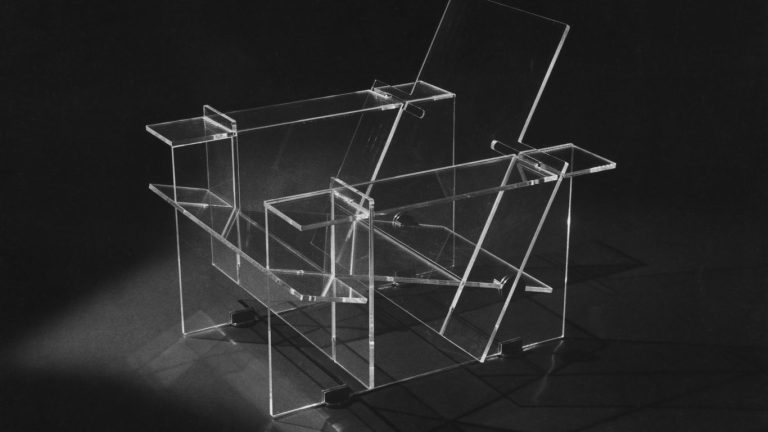
Acrylic has evolved from a simple material into a staple for high-end furniture design. Designers frequently choose it to create minimalist chairs, tables, and integrated shelving units that feel weightless. It is especially effective when you want to achieve a sleek and modern aesthetic while retaining high levels of durability and scratch resistance.
Architectural signage and wayfinding
Wayfinding systems need to be legible and long-lasting to be effective. Durable acrylic in various finishes, including matte and high-gloss, allows for a range of creative branding integrations. For business signage projects, the material can be cut into precise shapes that communicate information clearly while standing up to indoor and outdoor conditions.
Protective barriers and safety screens
Safety is a primary concern for modern workspaces, particularly in service-heavy industries. Acrylic provides a hygienically sound and impact-resistant solution for hygiene screens and machine guards. By implementing a consistent cleaning routine, you can ensure that these protective barriers remain crystal clear for years of service.
5. Considerations for maintenance and durability
Best techniques for keeping acrylic surfaces clean
Routine care should involve only mild soap and lukewarm water mixed with a soft cloth. Harsh commercial cleaners containing ammonia or solvents can break down the surface of the acrylic, causing it to haze over time.
Preventing micro-scratches during daily use
Micro-scratches occur when dust particles are dragged across the surface during cleaning. To prevent this, always ensure your dusting cloth is damp or use a dedicated anti-static plastic cleaner. Gentle, circular motions will preserve the high-gloss finish of your panels.
Removing stubborn marks and surface buildup
If you find stubborn residue, a light application of a specialized non-abrasive cleaner can help lift the grime. Follow the manufacturer’s care instructions closely to ensure you don’t inadvertently damage the protective UV or matte layers of the specific acrylic sheet you have installed.
When to use professional polishing compounds
If the material has suffered deeper scratches, a professional-grade polishing compound might be the only way to recover the surface. When applying these, it is a good idea to perform a test on a small offcut piece first. These compounds work by removing a tiny layer of material to reveal a smooth surface underneath.
6. Essential tips for fabrication and installation
Precision cutting and sizing techniques
Getting a perfect edge is dependent on using the right tools for the job, such as a high-speed router or a laser cutter. Regardless of your experience level, ensuring the sheet is properly clamped will prevent vibration and jagged edges during the cutting process.
Drilling safely to avoid material cracking
When drilling, it is critical to use a drill bit specifically designed for acrylic along with a slow, steady feed speed. Avoid excessive pressure; let the bit do the work. If you force the drill, you will almost certainly crack the panel.
Best practices for bonding and adhesion
For bonding, a chemically reactive solvent adhesive is usually the best choice, as it welds the two pieces of acrylic together by melting the edges. This is cleaner and more robust than mechanical fasteners, though keeping these key steps in mind will save you time:
- Ensure surfaces are perfectly clean and free of oils.
- Apply the adhesive along the joint using a needle-tip applicator.
- Hold the pieces firmly in place until the chemical set is complete.
These practices ensure a strong, near-invisible bond that holds up under pressure.
Mounting considerations for large format panels
Mounting large-scale installations requires planning for the natural thermal expansion of the material. If you drill holes that are too small for the mounting hardware, the acrylic may expand and crack once temperatures rise. Using an oversized mounting hole allows the material to flex slightly without putting stress on the installation points.
Conclusion
Selecting the right acrylic sheet involves balancing your aesthetic desires with the functional requirements of your specific space. By choosing the appropriate finish, thickness, and material type, you can craft a durable, versatile, and high-quality installation that lasts for years. Whether you are aiming for the high transparency of clear cast sheets or the diffused light of frosted pannels, understanding these fundamentals will help you achieve a professional result for your next project.
Frequently Asked Questions
Can acrylic sheets be used for outdoor roofing?
Yes, certain UV-stabilized acrylic sheets are suitable for outdoor use, such as in sunrooms or covered patios, but they must be installed with proper regard for thermal expansion.
How do I stop edges from chipping when cutting?
Using a fine-tooth blade and ensuring the material is securely clamped are the best ways to minimize vibration and prevent chipping during the cutting phase.
Is it possible to paint acrylic surfaces?
Painting is possible, but it requires thorough surface preparation, including light sanding and the use of a plastic-compatible primer to ensure the paint adheres to the non-porous material.
Does acrylic yellow when exposed to sunlight?
High-quality, UV-protected acrylic is designed to resist yellowing, though standard non-UV versions may eventually show signs of discoloration if kept in direct, harsh sunlight for extended periods.
How does acrylic compare to polycarbonate for safety?
While acrylic is significantly more impact-resistant than glass, polycarbonate is even tougher; however, acrylic maintains superior optical clarity and is generally more affordable for most applications.
Can you heat and bend acrylic sheets?
Yes, acrylic is a thermoplastic, meaning it can be softened using a strip heater or heat gun to allow for bending into custom shapes like display racks or brackets.
What is the advantage of cast over extruded acrylic for engraving?
Cast acrylic is preferred for laser engraving because it reacts to the laser by turning a soft white color, resulting in much cleaner and higher-contrast graphics compared to extruded variants.