Key Takeaways
Selecting the right partner for your project ensures long-term durability and visual appeal for your brand identity. By clearly defining project needs and evaluating supplier capabilities, you can achieve professional results that withstand the local climate.
- Define clearly whether your signage requires indoor or outdoor durability based on site exposure.
- Prioritise suppliers who demonstrate technical expertise in precision laser cutting and CNC fabrication.
- Request detailed quotes to differentiate between material costs, installation fees, and logistic expenses.
- Evaluate a potential partner’s previous work to ensure their style aligns with your specific commercial objectives.
- Confirm the inclusion of post-installation support and clear warranty terms for manufacturing defects.
Understanding your specific acrylic signage needs
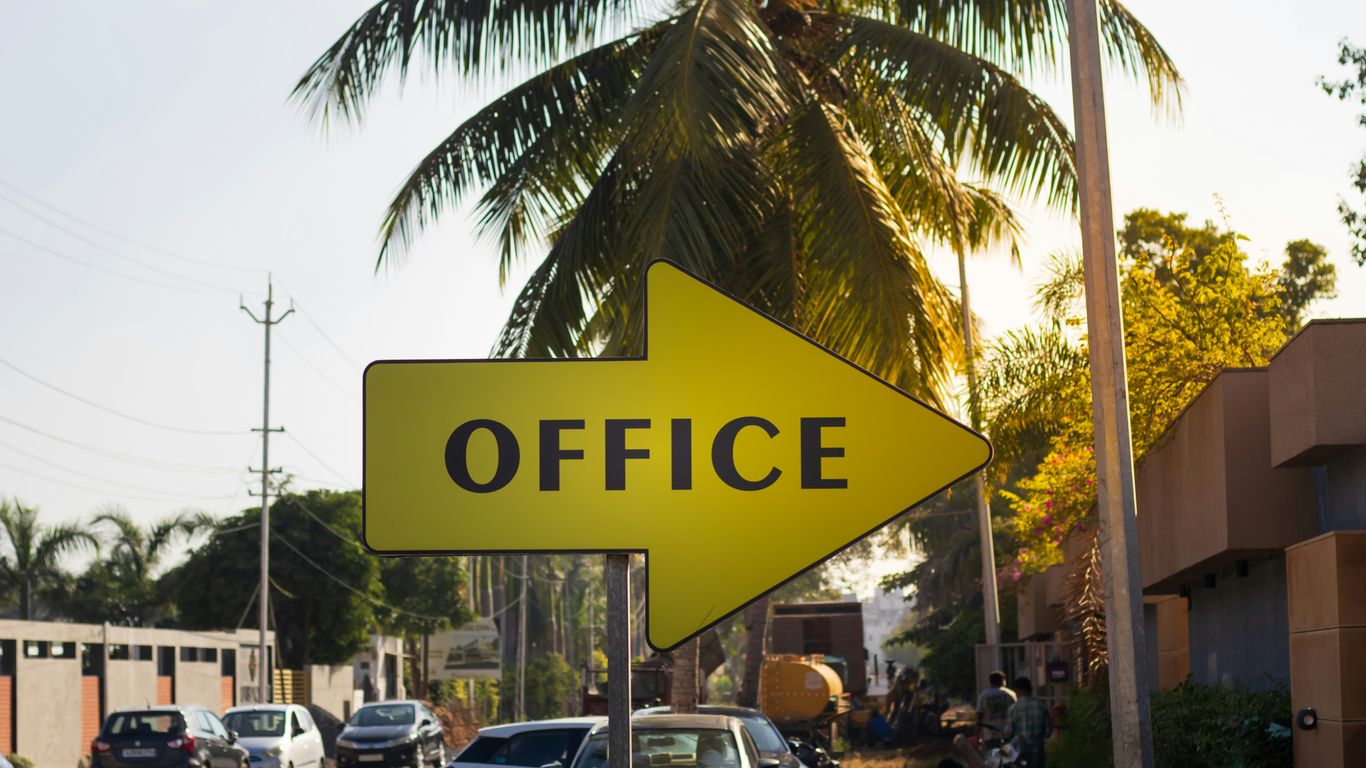
Finding a partner for your business display begins with a clear understanding of the environmental and functional demands of your project. Whether you operate in a high-footfall retail environment or a corporate office setting, the choice of materials dictates the longevity and impact of your brand expression. You must consider the visual hierarchy of your message and how it integrates with your existing architecture to ensure your acrylic signage Malaysia project meets your specific branding goals.
Identifying indoor versus outdoor application requirements
Indoor signs often prioritise high-gloss finishes and clean edges, while outdoor versions require robust resistance to UV exposure and humidity. You should assess if the site location receives direct sunlight, which necessitates the use of UV-stabilised acrylic to prevent yellowing over time. Consulting with experts like Acrylic.my helps clarify these material necessities early in the planning phase.
Determining optimal acrylic thickness and material grades
The thickness of the acrylic board significantly influences both its structural integrity and the perceived quality of the sign. You might choose 3mm or 5mm for interior wall-mounted logos, whereas larger standalone displays frequently require 8mm to 10mm sheets to ensure stability. Choosing high-quality grades prevents warping or sagging, maintaining a polished appearance even in larger formats.
Clarifying finish types like frosted, clear, or coloured acrylic
Selecting the right finish allows you to tailor the aesthetic to your brand identity, with clear acrylic offering a sophisticated modern look and frosted options providing a soft, diffused light effect. Coloured acrylic sheets, conversely, ensure that the brand colour remains consistent through the material, which avoids the peeling issues common with vinyl-layered designs. You should sample different custom acrylic sheets finishes to see which best captures the light within your specific space.
Assessing supplier quality and manufacturing standards
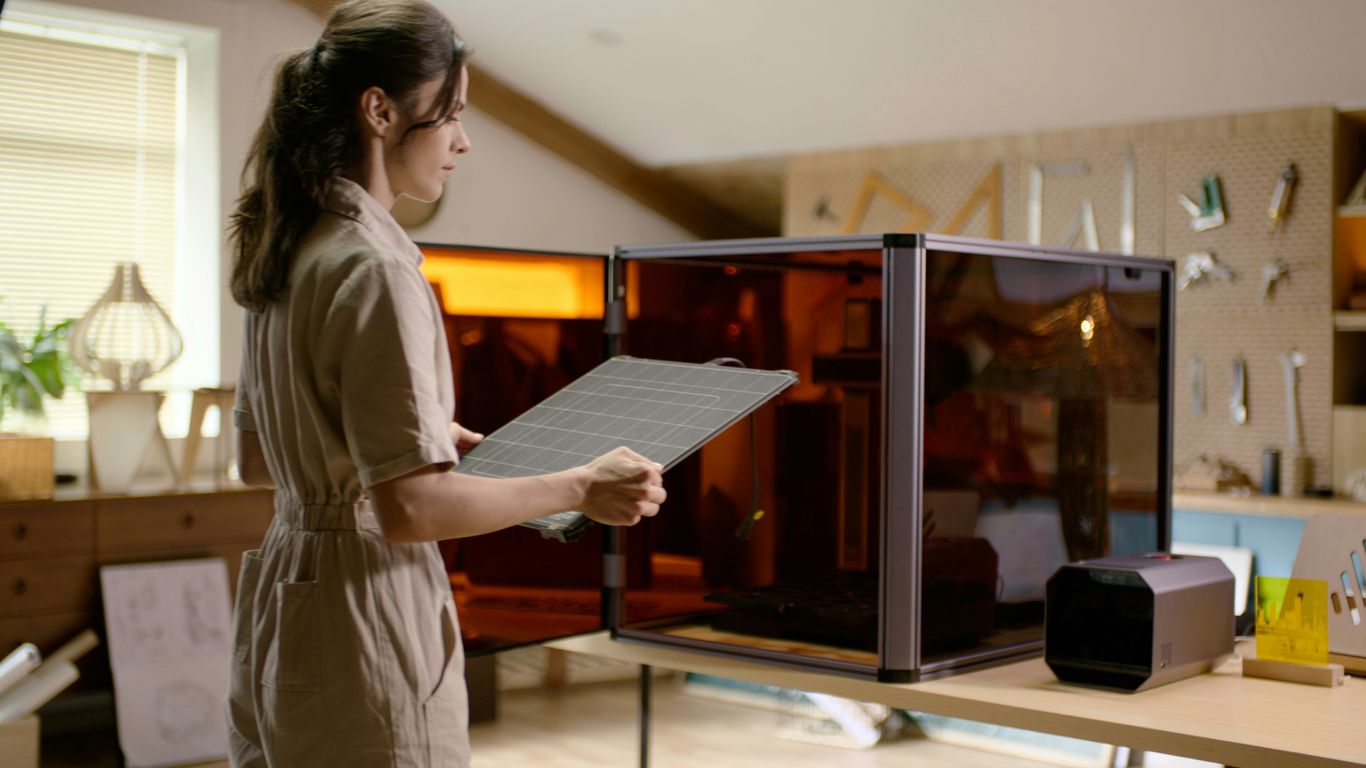
Quality manufacturing is the backbone of any sign that serves as the face of your business. A reliable supplier should maintain clean, controlled fabrication environments that ensure no contaminants are trapped within the sheets during assembly. By scrutinising their factory-direct capabilities, you can avoid unnecessary markups while ensuring that the craftsmanship meets high professional standards for your brand.
Evaluating the durability and sourcing of raw acrylic materials
High-quality acrylic begins with the sourcing of prime PMMA materials that offer clarity and structural consistency. You should ensure the supplier uses virgin-grade acrylic rather than recycled alternatives, which may suffer from inconsistent density or impurities that weaken the final sign. A firm like Acrylic.my prioritises this sourcing to provide consistent results for diverse corporate layouts.
Checking for precision in laser and CNC cutting techniques
Precision work is essential when cutting complex logo pathways or thin letterforms that define a professional corporate aesthetic. CNC and laser cutting technologies allow for sharp, accurate edges that eliminate the need for laborious hand-polishing and reduce the risk of material micro-cracking. You should verify that the provider uses digitised workflows to ensure that the physical sign matches the approved design proofs perfectly.
Ensuring compliance with Malaysian safety and environmental standards
Compliance with local safety regulations is non-negotiable for businesses, particularly for installations involving electrical lighting components. You must confirm that the supplier adheres to Malaysian signage regulations, checking that wiring fits neatly into the fabricated housing and that all structural mounts are rated for secure, long-term public display.
Evaluating design, fabrication, and customisation capabilities
Effective fabrication requires more than just raw material; it requires the skill to blend engineering with visual design. A partner with deep customisation capabilities can pivot between simple planar signs and complex 3D forms that add depth to your storefront. This versatility is what helps modern businesses stand out in bustling retail districts like KL or Penang.
Assessing the ability for bespoke 3D lettering and logo engraving
Bespoke lettering allows for a tactile, high-impact branding effect that flat prints simply cannot replicate. You should look for fabricators who can provide precise 3D acrylic letter signs, as these add an architectural quality to your space. Engraving techniques further allow for delicate logo detailing that stays permanent and crisp regardless of frequent cleaning.
Reviewing the integration of professional LED lighting systems
Illuminated signage significantly extends the brand’s visibility and professional reach into the evening hours. When reviewing a manufacturer, confirm their experience with professional LED integration, which requires uniform light diffusion to avoid bright spots or dull areas on the sign face. A well-constructed light box, correctly sealed and powered, will naturally enhance the perception of your corporate signage after sunset.
Identifying capabilities for custom mounting hardware and accessories
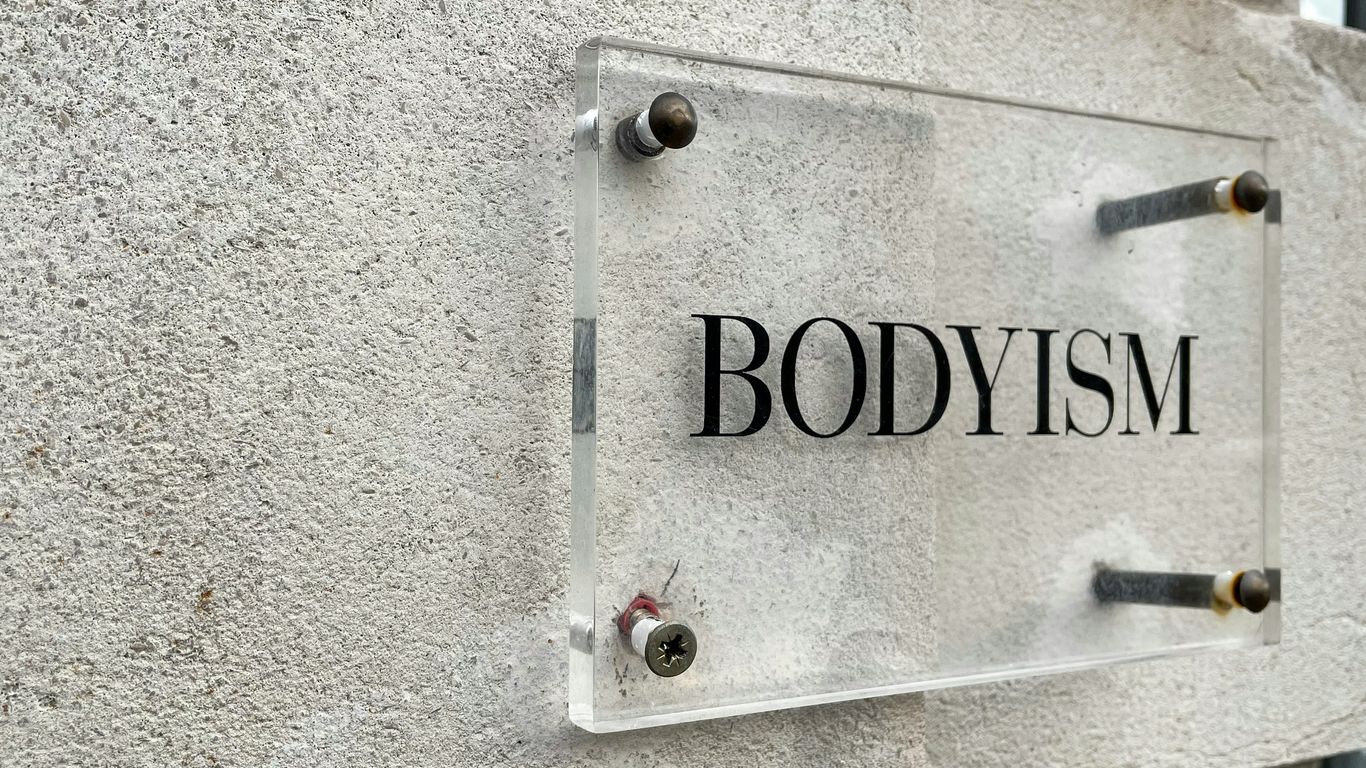
Often overlooked, the hardware used to mount your sign is just as vital as the sign itself for long-term safety and visual consistency. You should expect providers to offer a range of wall standoffs, hidden bracket systems, or flush-mount options tailored to your specific wall material. Choosing the right mounting system prevents physical damage during installation and ensures the sign remains level and secure.
Checking service reliability and project turnaround times
Reliable service extends beyond the quality of the finish and into the predictability of your project rollout. A professional supplier in Malaysia should manage communication effectively, ensuring you feel updated on progress from the initial design proof to the final handover. You can evaluate their reliability by looking at how they handle your timeline expectations versus their standard capacity for production.
Verifying standard lead times for production and logistics
Production timelines can vary greatly based on material availability and the requested customisation level of your order. You should request a clear estimate of lead times that accounts for both the fabrication phase and local logistical constraints. Clear timelines help you avoid last-minute stress, especially when you are coordinating with other contractors on-site.
Confirming communication channels and project management transparency
Effective project management relies on established channels of communication where you can easily verify the status of your signage order. You should confirm that the manufacturer provides a point of contact who understands your design specifications and can provide quick updates. Transparency in these conversations highlights a supplier who values your time and project success.
Determining flexibility for scaling between small batches and large-scale rollouts
Not all projects are equal in scope, and a versatile supplier should be able to handle single-unit bespoke requests as comfortably as large-scale chain store branding rollouts. You should discuss their workshop capacity to ensure they can manage industrial signage consistency across multiple locations without compromising on quality or deadlines.
Comparing pricing models and hidden costs
Navigating the cost of signage requires a clear focus on the value provided rather than just the lowest quote. You should compare quotes based on consistent material specifications and fabrication methods to ensure you are comparing like with like. A comprehensive view of pricing helps prevent budget overruns during the final installation phase.
Identifying the difference between initial quotes and final expenditure
Many businesses are surprised by fluctuating costs if the initial quote does not account for design revisions or optional finishes. To make an informed financial decision, evaluate the pricing model using the comparison framework outlined below.
| Pricing Item | Basic Service | Premium Integration | Custom Fabrication |
|---|---|---|---|
| Material Grade | Standard | UV-Stabilised | High-Density Cast |
| Lighting Included | No | LED Strips | Fully Sealed Units |
| Design Proofs | 1 round | Unlimited | Consultation-led |
You can use this structure to clarify exactly what you are paying for versus standard market expectations. Always request a written breakdown that highlights the following potential cost drivers:
- Site survey and measurement fees if off-site accuracy is uncertain.
- Complexity of mounting for non-standard wall materials.
- Costs associated with rush-order production timelines.
- Ongoing logistics for regional or island-wide deployment.
Factoring in delivery costs and on-site installation fees
Delivery and local installation labour are often the largest variables in a final quote for custom signage solutions. Be certain to ask whether the installation team consists of the manufacturer’s own specialists or third-party contractors, as this directly affects the speed and quality of the final setup. Transparent billing for on-site services ensures that your final expenditure remains aligned with your original budget projections.
Assessing the balance between premium material costs and budget alternatives
Choosing the right material balance depends on the expected lifespan of your sign and the visual quality required for your brand image. While premium acrylic sheets offer a longer life and superior finish compared to synthetic budget alternatives, the upfront cost might be higher. You should assess whether the long-term saving on maintenance and potential re-installation makes the higher initial investment better for your business.
Reviewing previous work and client testimonials
Analysing a portfolio for industry-specific signage examples
When evaluating a supplier’s track record, look specifically for examples that mirror your industry requirements, whether it be sleek retail fashion branding or clear directional signage for a corporate campus. A professional portfolio should showcase a diverse range of projects that demonstrate their technical ability to handle both design intricacies and structural constraints. You should verify that the examples provided in their gallery reflect the quality you want for your own acrylic signage Malaysian project.
Verifying references from established local businesses
Direct feedback from other local businesses is often more reliable than marketing claims, providing insight into the supplier’s consistency and professionalism. You should ask the provider for references, specifically looking for clients who have ordered signage that has remained in use for several years. This step helps you gauge how well the signage—and the customer service—performs after the initial sale is completed.
Observing signs of long-term weathering in existing installations
If possible, visit a site where the manufacturer has installed work to observe how the acrylic has fared after exposure to the elements and cleaning cycles. Look for signs of yellowing, surface scratches, or light diffusion inconsistencies that might suggest under-specified material grades. Observing these existing signs gives you a grounded expectation of what you can anticipate for your own project.
Inspecting post-installation support and warranty options
Clarifying the coverage period for material and manufacturing defects
Your warranty provides the final layer of security for your investment, safeguarding you against defects that may not be apparent immediately. You should ensure that the coverage covers both the acrylic material itself and any potential manufacturing shortcuts in the fabrication process. A confident acrylic products supplier will clearly outline their warranty window in the contract.
Understanding availability for ongoing maintenance and cleaning services
Even the most durable acrylic requires proper care to maintain its signature clarity and sheen over the years. You should check if the supplier offers maintenance packages or professional cleaning services that use the correct, non-abrasive tools to avoid micro-scratches. Knowing this service is available can significantly reduce the internal burden of keeping your storefront display looking pristine.
Accessing troubleshooting support for electrical or hardware malfunctions
For illuminated signage, the ability to quickly access repair services for electrical components is essential to keep your brand visible at night. You should confirm that your agreement includes provisions for timely hardware or electrical troubleshooting, ensuring that your lighting system does not stay down for long. This peace of mind is crucial for any business relying on its sign for constant customer attraction.
Conclusion
Investing in high-quality signage for your Malaysian business is not merely a purchase, but a lasting commitment to your brand identity that should be approached with careful consideration. By balancing the need for durable materials, precise fabrication, and clear post-installation support, you ensure that your investment pays off through long-term visibility and professional impact. Whether you are upgrading your retail storefront or outfitting a new corporate space, staying informed at every stage of the design and selection process will lead to a more reliable, effective, and visually striking result that speaks volumes about your company.
Frequently Asked Questions
Is acrylic signage suitable for the Malaysian climate?
Yes, provided you choose high-quality UV-stabilised acrylic material. Our climate’s heat and humidity require materials that are specifically engineered to resist yellowing and brittleness.
How often should acrylic signs be cleaned?
It is recommended to clean your signs every few months or as dust accumulates. Use a soft, lint-free cloth with mild soap and water to avoid scratches and maintain the material’s clarity.
What is the difference between cast and extruded acrylic?
Cast acrylic provides a more uniform structure, better optical quality, and is more resistant to heat, making it the preferred choice for detailed fabrication and long-term signage.
Can I install acrylic signs on my own?
While smaller indoor labels might be manageable, professional installation is strongly advised for larger signs or anything involving electrical wiring to ensure safety and long-term durability.
Why does acrylic sometimes yellow outdoors?
Yellowing usually occurs when standard, non-UV treated plastics are used outdoors and exposed to intense tropical sunlight. Using premium, UV-protected materials effectively mitigates this issue.
Are acrylic signs shatterproof?
Acrylic is significantly more shatter-resistant than glass and acts as a safer alternative in high-traffic commercial or retail environments, though it can still scratch if not handled carefully.
How long does a typical acrylic sign last?
With proper material selection and periodic maintenance, a high-quality acrylic sign can maintain its visual integrity for 5 to 10 years even in public commercial settings.