Key Takeaways
Illuminated signage significantly increases your business’s visibility, creating a professional and inviting aesthetic for customers. Choosing the right material and light source ensures that your brand looks sharp and lasts for many years.
- Acrylic provides superior light diffusion compared to glass or metal.
- LED integration reduces energy consumption and maintenance frequency.
- Custom fabrication allows for unique shapes and complex brand logos.
- Weather-resistant materials are essential for long-term exterior durability.
- Professional installation extends the lifespan and performance of your signage.
Understanding backlit acrylic signage
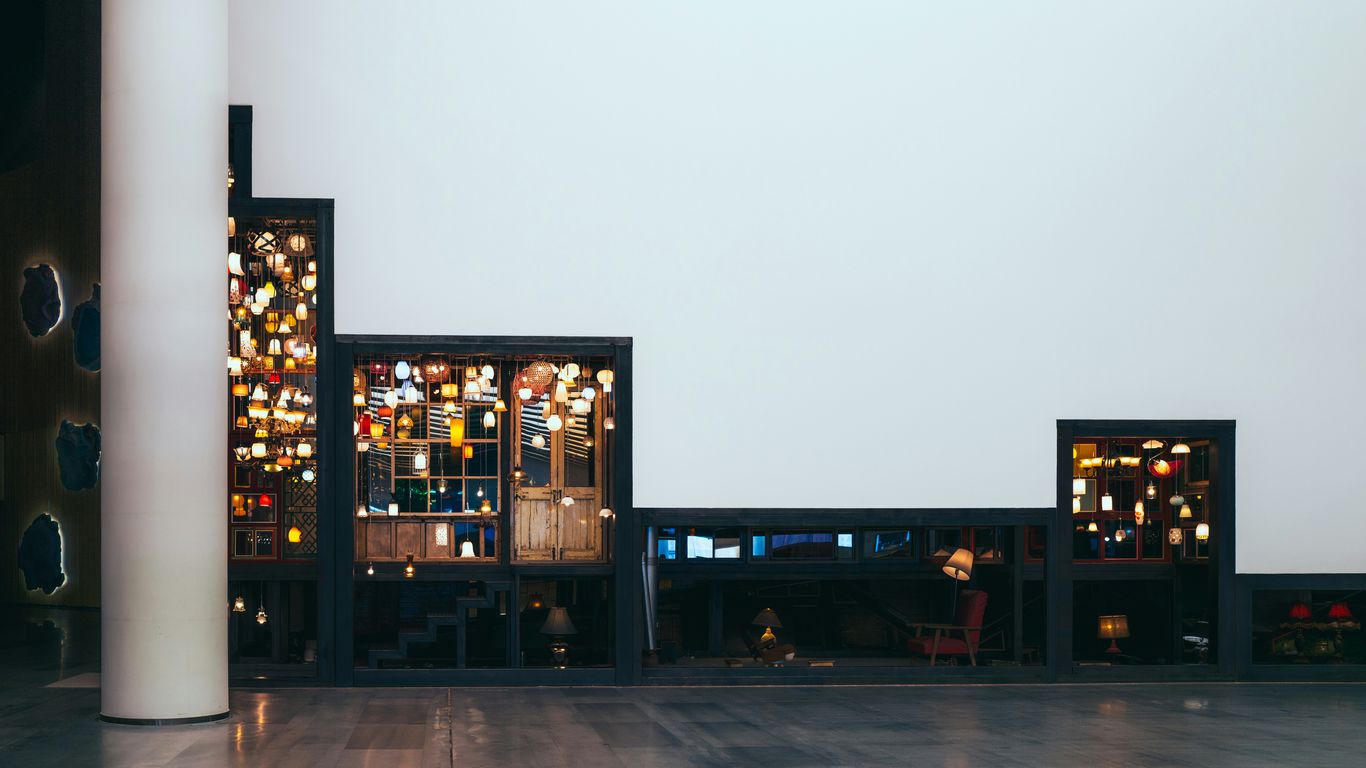
Backlit signage relies on light passing through or around a translucent acrylic substrate to create high-contrast visuals. By layering materials, fabricators can achieve a polished look that draws the eye, making your business name stand out even in crowded settings. Experts at Acrylic.my note that the key to success is in the material’s ability to soften point-source light into a smooth, even glow, avoiding harsh hot spots that detract from your graphic design.
The mechanics of uniform light diffusion
Light diffusion is achieved by using opal acrylic grades that contain light-scattering particles. When an LED strip is positioned inside an enclosure, these particles redirect the light across the entire surface rather than allowing it to shine directly through in a single beam. This results in a soft, professional high-impact aesthetic that presents a consistent brand colour across the entire face of the display.
Distinctions between front-lit and halo-lit effects
Front-lit signs typically feature an opaque face with cut-out letters, allowing light to shine forward through the acrylic, while halo-lit signs project light onto the wall behind the lettering. Halo designs create a silhouette effect that is highly readable at night. Both methods utilise the specific optical density of cast acrylic to manage how the light spreads, providing designers with incredible flexibility for various branding styles.
Why acrylic is the material of choice for illuminated displays
Acrylic is favoured for its exceptional light transmission properties, often exceeding 90 percent. Unlike glass, which is fragile and heavy, acrylic is lightweight, shatter-resistant, and easily machined into custom shapes. This makes it a primary choice for durable modern illuminated signs that need to survive retail environments while maintaining a crisp, luxury appearance.
Key benefits of choosing acrylic signage with light
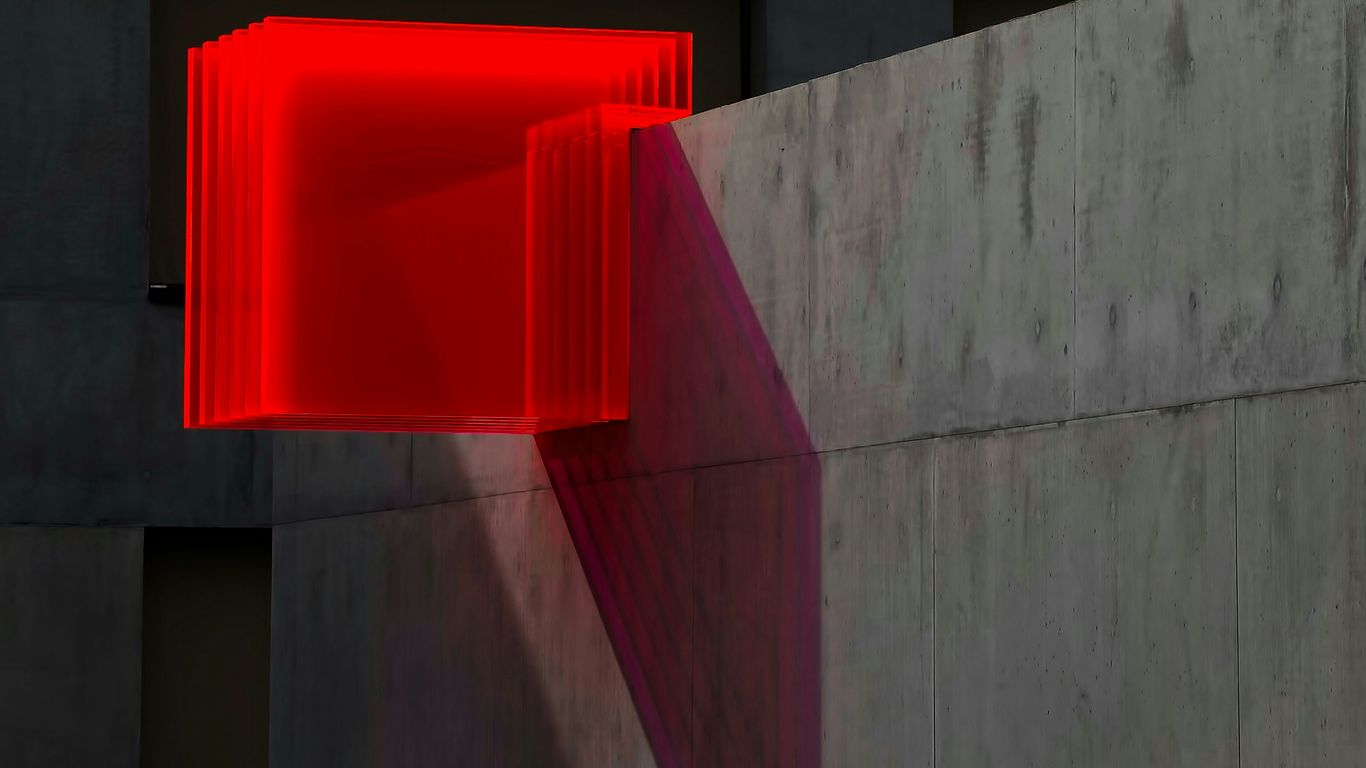
Integrating light into your signage does more than just show up after dark; it creates a dynamic landmark that helps customers find your location instantly. When you invest in a solution from Acrylic.my, you benefit from precision fabrication that balances visual clarity with structural integrity. These systems work tirelessly to maintain brand consistency throughout all operational hours.
Enhancing brand visibility in low-light environments
Low-light conditions during the early morning or busy evening hours are when illuminated signage performs its best. By using high-intensity LEDs, your brand gains a distinct competitive edge in the local market. Maintaining high visibility helps shoppers associate your storefront with reliability, ensuring they can identify the entrance even from a distance.
Customisation potential for complex corporate logos
Modern fabrication techniques allow for intricate designs that match complex logos perfectly. Achieving these details requires skilled craft, as detailed in this acrylic signage guide, ensuring that even the most complex curves and thin strokes in your logo are rendered accurately. This level of detail elevates your professional image significantly.
Energy efficiency and heat management of modern LED integration
LED technology has transformed professional signage by providing brilliant output with minimal power consumption. Effective thermal management, integrated directly into the sign casing, ensures that internal components stay cool. This prevents material degradation and keeps your led acrylic displays running at peak brightness for much longer than traditional lighting solutions.
Long-term durability and weather resistance for exterior use
External signage requires materials that can withstand temperature fluctuations, humidity, and direct sunlight. Acrylic stands up well in tropical conditions, as noted in expert advice about acrylic signage Malaysia, resisting yellowing and maintaining its structural strength. The following list details key environmental benefits:
- High UV resistance prevents fading and discolouring.
- Non-corrosive materials prevent rust in humid climates.
- Impact-resistant construction handles accidental retail collisions.
- Secure encapsulation keeps electrical connections dry.
Types of acrylic signage with light
Selecting the right layout for your shopfront requires understanding the visual impact you want to create. Whether you prefer the subtle diffusion of an edge-lit panel or the bold presence of 3D letters, there is a configuration that matches your specific branding needs and spatial constraints as highlighted in custom acrylic fabrication resources.
Edge-lit panels for a sleek, contemporary glow
Edge-lit panels are perfect for smaller retail spaces or interior wayfinding where a minimalist look is desired. Light is injected into the side of the acrylic, causing the etched or printed graphics to glow as if by magic. This style is an ideal way to display information without overwhelming a room’s decor.
3D built-up letters with internal SMD illumination
These signs feature individual acrylic faces mounted on metal returns, creating a deep, dimensional look of high-end custom light up signs. The following table shows the typical depth considerations for these builds:
| Signage Depth | Best Application | Visual Impact |
|---|---|---|
| 30mm – 50mm | Close-range office signage | Sophisticated, compact |
| 60mm – 100mm | External storefronts | High readability |
| 150mm+ | Commercial towers | Monumental scale |
Selecting the right depth ensures the light disperses evenly before reaching the front face of the letter, avoiding uneven lighting bands.
Double-sided light boxes for high footfall retail areas
Double-sided boxes are essential for street-side shops where visibility from both directions matters. By centralising the light source, you maximise the impact of your advertisement without needing multiple units. These durable boxes help maintain consistency in high-traffic corridors.
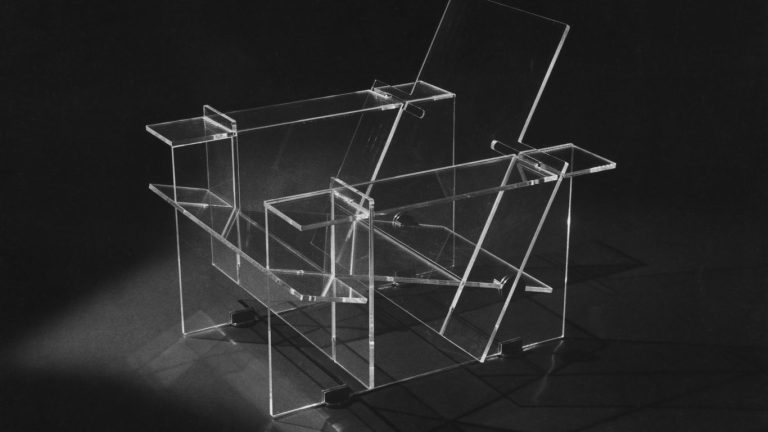
Transparent acrylic displays for minimalist interiors
Transparent displays offer a near-invisible mounting profile that ensures your branding takes center stage. These are frequently used in luxury retail settings where you want the light to define the space rather than the mounting hardware or sign body itself.
Expert design ideas for acrylic displays
Great design is a conversation between texture, colour, and illumination. Understanding the unique properties of various acrylic finishes allows you to create depth and interest that flat materials simply cannot replicate.
Using frosted finishes to improve light distribution
Frosted surfaces scatter light rays more effectively than gloss finishes, providing an even glow. By working with a specialist in acrylic signs with LED, you can ensure that the frosted level matches your desired light intensity, creating a soft diffusion that feels high-quality and avoids glare.
Leveraging colour-changing LEDs for dynamic brand impact
Dynamic colour shifting can draw attention during promotional periods, such as seasonal sales or local events. This flexibility allows one permanent sign installation to serve multiple marketing campaigns by simply adjusting the light profile.
Balancing negative space with high-intensity light elements
Too much light can make a sign illegible from a distance. Designers often use negative space—the unlit areas of the sign—to build contrast, ensuring that the light elements are sharp and distinct rather than a blurry mass of luminosity. This balance is critical for long-distance visibility.
Choosing between clear, opal, and coloured acrylic bases
Your choice of base material acts as an optical filter. Opal reduces brightness to create softness, whereas clear acrylic allows you to use your own vinyl graphics to dictate the light output. Selecting the base correctly at the start of your project informs how the rest of the unit is fabricated.
Technical specifications and material selection
Technical accuracy during the planning phase prevents expensive re-fabrication. Choosing the right material thickness directly impacts how well light is diffused over the surface area.
Selecting the ideal material thickness for light diffusion
Thicker material requires more intense light to show through correctly, while overly thin acrylic may warp when subjected to heat from LEDs. A typical 3mm to 6mm range serves most applications, providing a perfect balance of light transmission and physical structural reliability.
Choosing the correct LED colour temperature for your brand
Warm light suggests comfort and luxury, while cool, blue-toned white light leans towards modern, tech-focused business branding. Consistent colour temperature across the entire sign body is essential for a professional look, as mixing different LED reels can lead to mismatched patches in your display.
Ensuring moisture ingress protection for external signs
External signs must be sealed correctly to keep out dust and water, especially in humid environments. Using high-quality gaskets and properly housing your power supply unit are mandatory steps that protect your electronics from premature failure.
Installation and maintenance requirements
Installation acts as the final step in ensuring your sign’s longevity. Partnering with a professional ensures that your electrical connections are safe, concealed, and properly rated for the external weather conditions your sign will face.
Mounting techniques for a seamless, professional finish
Using standoff bolts or hidden wall channels provides a clean look that doesn’t compromise the signage’s surface. Proper mounting also allows for airflow behind the sign, which helps manage heat transfer away from the acrylic face, preventing long-term stress on the material.
Managing external wiring and concealed power supplies
Concealing power supplies inside a wall cavity or a weather-rated enclosure simplifies the look of your display. Proper wire management prevents damage from animals, weathering, and accidental interference, which ultimately saves you money on emergency repairs.
Routine cleaning protocols to prevent light degradation
Dust and grime can quickly dull the vibrant look of an illuminated sign. Regular, gentle cleaning with non-abrasive cloths and mild soap prevents the buildup of contaminants that can block light transmission over time. Keeping the surface clean ensures your brand remains as clear as the day it was installed.
Conclusion
Investing in high-quality illuminated acrylic signage is a proven way to enhance your storefront presence, attract new customers, and solidify your professional image. By carefully choosing your materials, working with an experienced fabrication partner, and maintaining your display, you can create a shining beacon for your business that survives and thrives in the elements for years to come. If you are ready to begin, take the next step by contacting our team to discuss your vision and get started on a custom display that truly reflects your brand.
Frequently Asked Questions
How long do illuminated acrylic signs typically last?
An illuminated sign installed correctly with high-quality LEDs and robust acrylic can remain in peak condition for many years, often exceeding seven to ten years with standard maintenance.
Can I install an acrylic sign myself?
While small interior panels are manageable for DIY enthusiasts, professional installation is strongly recommended for exterior signs to ensure the electrical system is properly weather-sealed and the mounting points can handle long-term wind loads.
What is the advantage of cast over extruded acrylic?
Cast acrylic is generally higher quality, offers more consistent thickness, and has superior optical clarity, which makes it the preferred choice for even light distribution in illuminated signage projects.
Do I need to worry about the heat from LEDs damaging my sign?
Modern LED technology is very efficient and generates minimal heat, especially when used inside an appropriately designed enclosure, making it a safe choice for acrylic materials.
Can I use vinyl decals on my backlit sign?
Yes, applying vinyl graphics over an opal acrylic panel is a standard and effective way to achieve specific colours or text, allowing the light to pass through the vinyl while blocking it in the non-graphic areas.
What should I do if my sign starts flickering?
Flickering usually indicates a loose connection or a failing power supply rather than an issue with the acrylic itself, so checking the wiring and driver is the first logical step for a service professional.
Does the background surface colour affect the sign’s visibility?
Yes, the wall behind a halo-lit sign will reflect light differently; a white, matte background is often the most effective at reflecting the light back and making the glow appear even and vibrant.