So, you’re curious about how acrylic handles light, huh? It’s pretty neat stuff. Light can bounce off it, go through it, or even get absorbed. We’re going to break down what makes acrylic do what it does when light hits it, looking at how smooth or rough the surface is, and how thick the acrylic is. We’ll also touch on how color and the finish, like glossy or matte, change things. Plus, we’ll see how it stacks up against other materials and how we even measure this stuff. It’s all about understanding the reflective properties of acrylic and how it works in different situations.
Key Takeaways
- About 4% of light bounces off each surface of clear acrylic, with roughly 92% passing through for a typical sheet.
- Smooth acrylic surfaces create specular reflection, where light bounces off predictably, while textured surfaces cause diffuse reflection, scattering light.
- The angle at which light hits the acrylic matters; at steeper angles, more light reflects off the surface, reducing transmission.
- Thicker acrylic sheets transmit less light than thinner ones due to more material for light to pass through and potentially be absorbed.
- Surface finish and color significantly alter light interaction, with glossy and clear acrylics generally allowing more light transmission than matte or colored versions.
Understanding Light Interaction With Acrylic
Basic Principles of Light Transmission
When light hits any material, a few things can happen. Some of it bounces off the surface, some passes through, and some gets absorbed. For acrylic, a clear sheet typically reflects about 4% of the light that strikes it. The rest of the light enters the material. As it enters, the light bends, a process called refraction. The amount of bending depends on the material’s properties. After passing through the acrylic, when light hits the other side, about 4% reflects back again. The light that makes it all the way through is transmitted. For standard, clear acrylic, this means around 92% of the light can pass through.
Reflection and Refraction at Surfaces
Light doesn’t just go straight through acrylic. When it hits the surface, it can reflect, meaning it bounces off. The angle at which it bounces off is the same as the angle at which it hit the surface – this is the law of reflection. If the acrylic surface is very smooth, like a mirror, this reflection is called specular reflection. All the light rays bounce off in the same direction. If the surface isn’t perfectly smooth, or if it has a texture, the light rays scatter in different directions. This is diffuse reflection. Refraction happens when light passes from one medium to another, like from air into acrylic. Because the speed of light changes, the light path bends. The amount of bending is determined by the material’s refractive index.
Absorption and Transmission Through the Material
While acrylic is known for its clarity, it does absorb a small amount of light. For clear acrylic, this absorption is quite low, usually less than 0.5% per inch of thickness. This means that most of the light that enters the material continues its journey through it. The combination of surface reflection and internal absorption determines the total amount of light that gets transmitted. The less light absorbed and reflected, the higher the transmission percentage. This is why clear acrylic is so popular for applications where light needs to pass through, like in windows or display cases. The optical properties of acrylic are key to its widespread use.
The Physics of Acrylic Reflection
Specular Reflection on Smooth Surfaces
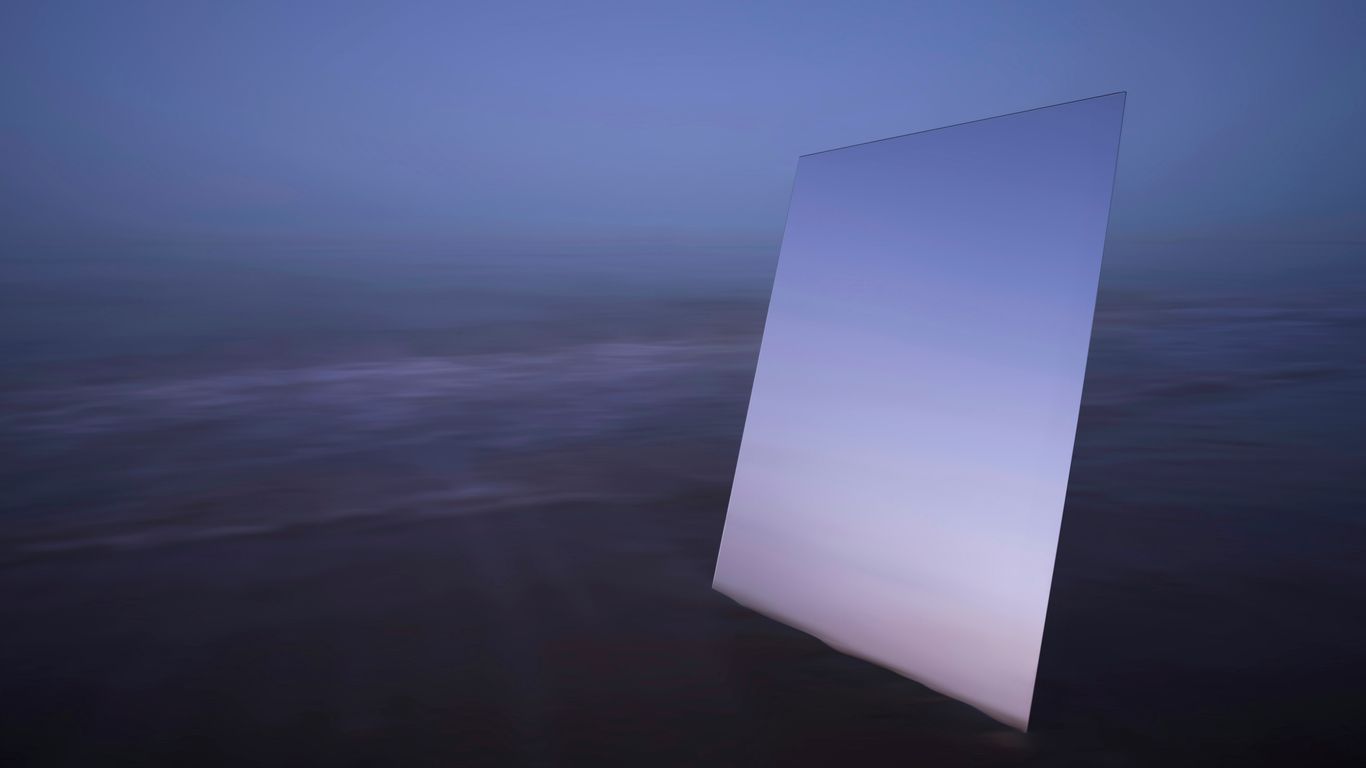
When light hits a really smooth surface, like a polished piece of acrylic, it tends to bounce off in a very organized way. This is called specular reflection. Think of it like a mirror – the light rays hit and then leave at the exact same angle. For acrylic, which has a very smooth surface at a microscopic level, about 4% of the light that hits it will reflect off the front surface. This organized reflection is what allows you to see clear images in a mirror or a highly polished surface. It’s all about the angle: the angle the light hits is the same angle it leaves.
Diffuse Reflection on Textured Surfaces
Now, not all acrylic surfaces are perfectly smooth. Some have a texture, like a matte or satin finish. When light hits these kinds of surfaces, it doesn’t bounce off in one neat direction. Instead, it scatters in all sorts of directions. This is diffuse reflection. It’s like light hitting a piece of paper; you see the paper, but you don’t see a clear reflection of yourself. This scattering effect is why textured acrylics are often used when you want to reduce glare. The light gets spread out, making it easier to see what’s behind or on the surface without bright, distracting reflections. Products like ACRYLITE® non-glare use this principle.
The Law of Reflection
No matter how smooth or textured a surface is, light always follows a basic rule when it reflects: the angle of incidence equals the angle of reflection. The angle of incidence is the angle at which light hits the surface, and the angle of reflection is the angle at which it bounces off. This law holds true even for diffuse reflection, but on a microscopic level. For specular reflection, where the surface is very smooth, all the light rays follow this law together, creating a clear, mirror-like reflection. For textured surfaces, each tiny part of the surface follows the law, but because the parts are angled differently, the light scatters.
Here’s a simple breakdown:
- Angle of Incidence: The angle between the incoming light ray and a line perpendicular to the surface (the normal).
- Angle of Reflection: The angle between the outgoing light ray and the normal.
- The Rule: Angle of Incidence = Angle of Reflection
Understanding how light behaves when it hits a surface is key to appreciating why acrylic looks and performs the way it does. Whether it’s bouncing off cleanly or scattering around, the physics are consistent.
When comparing different types of acrylic, especially for display purposes, the way light reflects makes a big difference. Standard acrylic, with its glossy finish, can produce noticeable glare, similar to metal prints. However, specialized options like anti-glare acrylic are designed to minimize this effect through surface texturing, making them ideal for situations where clear viewing is paramount.
Factors Influencing Light Transmission
When light hits an acrylic sheet, a few things can happen. Some of it bounces off, some gets absorbed into the material, and the rest passes through. The amount that makes it through, known as light transmission, isn’t just a fixed number for all acrylic. Several factors play a role in how much light actually gets transmitted.
Surface Reflectance and Angle of Incidence
When light strikes the surface of an acrylic sheet, a portion of it is reflected. For a standard, smooth acrylic surface, about 4% of the light is reflected at each surface when the light hits it straight on (perpendicular to the surface). This means a clear sheet might lose around 8% of its light just from these reflections, leaving about 92% to potentially pass through. However, this changes if the light hits at an angle. The more oblique the angle of incidence, the greater the percentage of light that gets reflected away. This is why the angle at which light strikes the material significantly impacts the total amount transmitted.
Light Absorption Within the Material
Acrylic itself isn’t perfectly transparent; it does absorb a small amount of light as it travels through the material. For clear acrylic, this absorption is quite low, typically less than 0.5% per inch of thickness for visible light. While this might seem negligible, especially in thinner sheets, it becomes more relevant as the thickness increases. The longer the light has to travel through the acrylic, the more opportunity there is for some of it to be absorbed.
Total Light Transmission Percentage
The overall percentage of light that passes through an acrylic sheet is a result of both surface reflections and internal absorption. For a typical clear acrylic sheet, when light hits at a perpendicular angle, you can expect around 92% transmission. However, if the light source is diffuse, meaning light is coming from all directions, the transmission can drop to about 85% due to increased reflection across various angles. This means that the way light interacts with the surface, and the path it takes through the material, are key determinants of how much light ultimately gets through.
Understanding these transmission dynamics is important for choosing the right acrylic for specific uses, like display cases or lighting fixtures, where controlling light is part of the design.
Here’s a quick look at how different factors can affect transmission:
- Angle of Incidence: Light hitting at an angle increases surface reflection.
- Surface Quality: Smooth surfaces reflect predictably; textured surfaces can scatter light.
- Material Purity: Impurities or colorants in the acrylic can absorb more light.
- Thickness: Thicker sheets have more material for light to pass through, increasing potential absorption and reflection losses.
For applications where maximum light needs to pass through, like in certain display systems, selecting acrylic with minimal surface imperfections and considering the angle of light incidence is important. The inherent optical clarity of acrylic means it transmits a high percentage of visible light, often outperforming glass in this regard.
Impact of Acrylic Sheet Thickness
The thickness of an acrylic sheet plays a noticeable role in how much light passes through it. While acrylic is known for its excellent clarity, the physical dimension of the material itself influences the overall light transmission percentage. It’s not just about the surface; the journey the light takes through the material matters.
Light Transmission in Thin Sheets
When you’re dealing with thinner acrylic sheets, typically in the range of 1.5mm to 5mm, you’re going to get the most light through. These sheets are great when you need maximum brightness and minimal obstruction. Think of them for things like picture frames or protective covers where clarity is key. For colorless acrylic, a transmission rate of around 92% is common for visible light wavelengths. This high percentage means very little light is lost as it passes through.
Transmission Changes in Medium Thickness
As the acrylic sheet gets a bit thicker, say between 6mm and 15mm, you’ll see a slight dip in the amount of light that makes it all the way through. This isn’t a huge drop, mind you, but it’s there. It happens because the light has to travel through more material. Still, acrylic holds up pretty well here compared to other plastics. It’s a good middle ground for applications that need a bit more strength without sacrificing too much light.
Effects on Light Passage in Thick Sheets
Going really thick, like 16mm to 30mm or more, means the light transmission will be noticeably less than in thinner sheets. The increased material density means more opportunities for light to be absorbed or scattered internally. However, these thicker sheets offer significant advantages in terms of structural integrity and durability. They are often used in situations where the acrylic needs to bear weight or withstand impact, like in aquariums or certain architectural features. Even with reduced transmission, the clarity of the acrylic is usually maintained, so you still get a good view.
Here’s a general idea of how thickness can affect transmission:
- 1.5mm – 5mm: Highest light transmission, often near 92% for clear sheets.
- 6mm – 15mm: Slightly reduced transmission, but still very good clarity.
- 16mm+: More significant reduction in transmission, but increased strength.
It’s important to remember that these are general figures. The exact percentage can vary based on the specific type of acrylic, any additives, and the manufacturing process. Always check the manufacturer’s specifications for precise light transmission (LT) figures for the exact product you’re considering.
When choosing an acrylic sheet, balancing the need for light transmission with the required structural properties is key. For instance, if you’re designing a display case, you might opt for a medium thickness to get a good balance. If it’s a simple protective cover, a thinner sheet might be perfectly adequate and allow more light.
Color and Surface Finish Effects
The way acrylic interacts with light isn’t just about its thickness or clarity; the color and the finish of its surface play a big role too. These factors can change how much light gets through and how it looks when it bounces off.
Clear Versus Colored Acrylic Sheets
Clear acrylic is pretty straightforward. It lets most visible light pass through with minimal interference. Think of it like a clean window. However, when you add color to acrylic, things change. Pigments mixed into the material absorb certain wavelengths of light and reflect others. This means colored acrylic will transmit less light overall compared to clear acrylic. The specific color matters a lot. A deep red acrylic will block more light than a pale yellow one because red pigments absorb green and blue light, while reflecting red. This absorption is why colored acrylics often appear less bright when light shines through them.
Influence of Surface Texture on Light
Surface texture can dramatically alter how light behaves. A perfectly smooth, polished acrylic surface will reflect light in a very predictable way, known as specular reflection. This is like looking into a mirror – the reflections are sharp and clear. However, many acrylic products have textured surfaces. For instance, a matte or frosted finish is designed to scatter light. Instead of a single, sharp reflection, light bounces off in many directions. This reduces glare significantly, making the surface appear less reflective. This is also why textured surfaces can sometimes make the material behind them appear less distinct, as the light is diffused. The refractive index of the resin used in the acrylic can also influence how light interacts with the surface, affecting its appearance and color vibrancy [e8f6].
Glossy Versus Matte Finishes
When we talk about glossy versus matte finishes on acrylic, we’re really talking about how they handle reflections. A glossy finish is smooth, almost like glass. It reflects light directly, leading to bright, clear reflections. This can be great for showcasing images or creating a sleek look, but it also means more glare. On the other hand, a matte finish has a slightly rougher texture. This texture breaks up direct reflections, scattering the light. This scattering effect is what reduces glare and makes matte acrylics a good choice when you want to see the material itself without distracting reflections.
Here’s a quick look at how different finishes might perform:
| Finish Type | Reflection Type | Glare Level | Light Transmission | Appearance |
|---|---|---|---|---|
| Glossy | Specular | High | High (clear) | Sharp, mirror-like |
| Matte | Diffuse | Low | High (slightly reduced) | Soft, non-reflective |
The choice between a glossy and matte finish often comes down to the intended use. For displays where clarity and vibrant colors are paramount and glare is a concern, matte finishes are often preferred. They help minimize distracting reflections, allowing the viewer to focus on the content rather than the surface.
Textured surfaces, especially those with irregularities larger than the wavelength of light, tend to exhibit diffuse reflection, scattering light in multiple directions. This is a key difference from smooth surfaces that follow the law of reflection more precisely [8fc6].
Comparing Reflective Properties of Acrylic
When we talk about how acrylic interacts with light, its reflective properties are a big part of the story. It’s not just about what passes through; it’s also about what bounces off. This is especially important when you’re thinking about how things look when displayed or used in different environments.
Standard Acrylic Versus Metal Prints
When you compare standard acrylic prints to metal prints, there are some noticeable differences in how they handle light and glare. Metal prints often have a high-gloss finish, but they can still show a moderate amount of glare, similar to standard acrylic. Standard acrylic, while glossy, can sometimes appear a bit brighter, leading to slightly more glare than metal prints. Both types reflect light in a way that’s typical for glossy surfaces.
Here’s a quick look at how they stack up:
- Metal Prints: Moderate glare, average reflection, generally less expensive.
- Standard Acrylic Prints: Slightly higher glare than metal, average reflection, mid-range cost.
The biggest difference often comes down to the specific finish and how it’s produced.
While both metal and standard acrylic offer a glossy look, the way light bounces off them can affect the overall viewing experience, especially in brightly lit spaces.
Anti-Reflective Acrylic Performance
This is where things get interesting. Anti-reflective acrylic, often seen in high-end displays or artwork, is designed specifically to cut down on glare. Unlike standard acrylic or metal prints, these materials have special coatings that significantly reduce the amount of light that bounces back towards the viewer. This means you see the image or object behind the acrylic more clearly, without distracting reflections. It’s a noticeable improvement, especially when the display is placed near windows or under strong lighting.
- Lowest Glare: Anti-reflective acrylic has the best performance in minimizing glare.
- Superior Clarity: Images appear sharper and colors more vibrant because reflections are minimized.
- Higher Cost: This advanced performance usually comes with a higher price tag.
Glare Reduction Techniques
So, how do manufacturers achieve that low-glare effect in acrylic? It’s not magic; it’s science. One common method involves applying special coatings to the surface of the acrylic. These coatings are designed to scatter light in a way that reduces direct reflections. Think of it like a very fine texture on a microscopic level that breaks up the light. Another approach is to create a matte finish, which diffuses light rather than reflecting it directly. While matte finishes reduce glare, they can sometimes slightly soften the image’s sharpness compared to a glossy, anti-reflective surface. For applications where clarity is paramount, like museum-quality displays, anti-reflective coatings are often the preferred choice over simple matte finishes.
Measuring Light Transmission
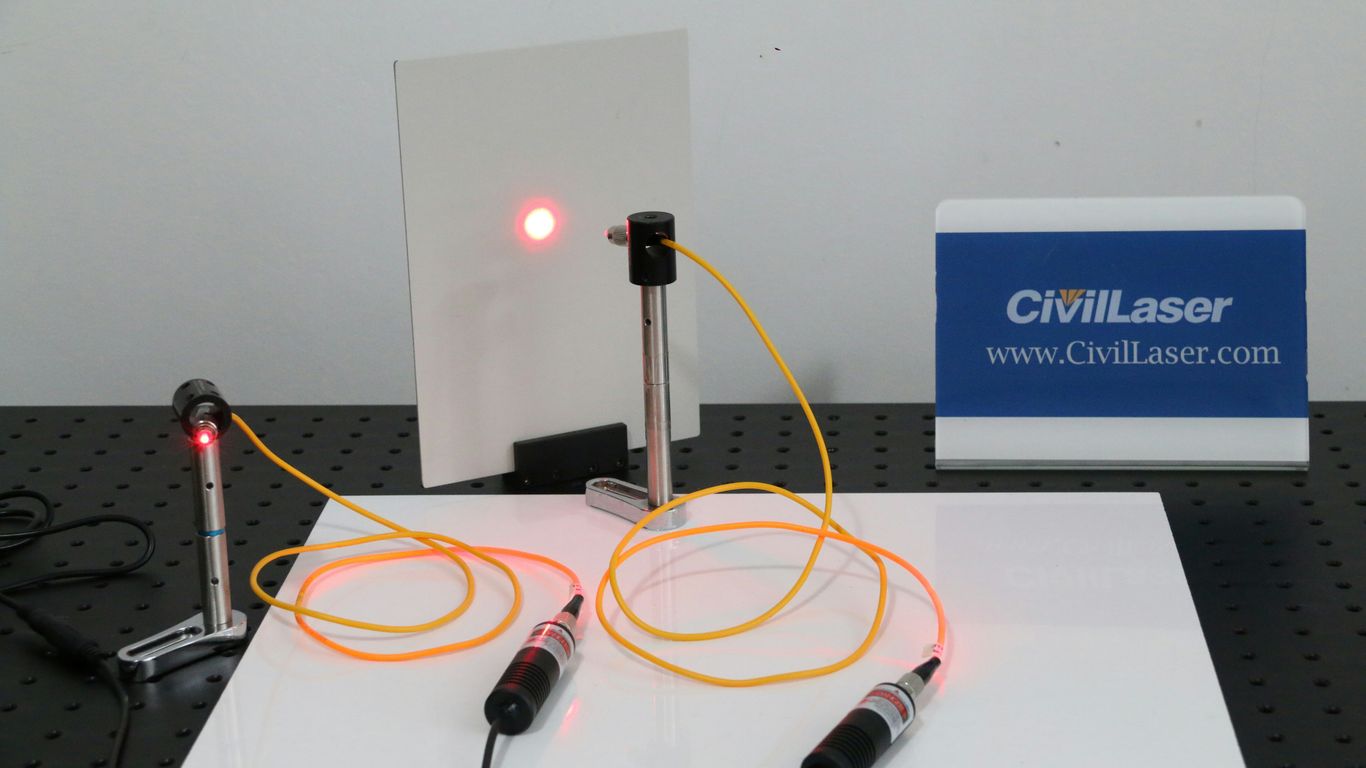
When we talk about how much light passes through acrylic, we’re really talking about its transmission properties. This isn’t just a vague concept; it’s something we can measure. The standard way to quantify this is by expressing it as a percentage of visible light that makes it through the material. This measurement is super important for picking the right acrylic for a job, especially when you need a specific amount of light to get through.
Visible Light Spectrum and Wavelengths
The light we see, known as visible light, is actually a small part of a bigger spectrum. It ranges from about 400 to 700 nanometers (nm). Think of it like a rainbow: violet, blue, green, yellow, orange, and red. Each of these colors has a different wavelength. Our eyes aren’t equally sensitive to all these wavelengths, though. We’re most sensitive to the yellow and green parts of the spectrum. This sensitivity matters because even if two materials transmit the same total amount of light, how we perceive that light can differ based on its color composition.
Standard Measurement Procedures
Measuring light transmission usually involves some specialized gear. A basic setup will have a light source and a detector. When light hits the acrylic sheet, some of it gets reflected off the surfaces, some gets absorbed by the material itself, and the rest passes through. For a standard, clear acrylic sheet, about 4% of light is reflected at each surface when the light hits it straight on (perpendicular). So, that’s an 8% loss right there from reflections alone. If the acrylic is about an inch thick, it might absorb less than 0.5% of the visible light. This means a typical clear sheet might transmit around 92% of the light that hits it. However, if the light hits at an angle, more light gets reflected, and the total transmission drops. For instance, light coming from all directions, like from an overcast sky, might only result in about 85% transmission through a clear sheet.
Here’s a simplified look at what happens:
- Reflection Loss: Light bouncing off the front and back surfaces.
- Absorption Loss: Light energy being soaked up by the acrylic material.
- Transmission: The light that successfully passes through.
The angle at which light strikes the acrylic surface significantly impacts how much light is reflected versus transmitted. Perpendicular incidence minimizes reflection, while angled incidence increases it, thereby reducing overall transmission.
Sensitivity of the Human Eye
It’s not just about the raw percentage of light that gets through; it’s also about how we perceive it. Our eyes are most sensitive to light in the yellow-green range of the visible spectrum. This means that even if two different acrylic samples transmit the same total amount of light, the one that transmits more light in the yellow-green wavelengths might appear brighter or clearer to us. This is a subtle but important point when choosing acrylic for applications where visual perception is key, like in display cases or signage. For lighting solutions, understanding this can help in selecting the right acrylic sheet thickness to achieve the desired visual effect.
Application-Specific Considerations
When you’re picking out acrylic for a project, it’s not just about how it looks. You’ve got to think about where it’s going and what it needs to do. Different uses mean different priorities for light transmission and reflection.
Lighting Solutions and Thickness
For lighting, getting the right amount of light through the acrylic is key. If you want bright, even light, you’ll want thinner sheets. Thicker sheets might block too much light, making your fixtures less effective. But sometimes, a bit of diffusion from a thicker, frosted sheet can be good for reducing glare. It’s a balancing act between how much light you need and how strong the acrylic has to be.
- Thin sheets (1.5mm – 3mm): Best for maximum light transmission, ideal for general illumination where brightness is paramount.
- Medium sheets (3mm – 6mm): Offer a good balance of light transmission and structural integrity, suitable for many lighting fixtures.
- Thick sheets (6mm+): May reduce light transmission but can provide better diffusion and impact resistance, useful for protective covers or where diffused lighting is desired.
The choice of thickness directly impacts the perceived brightness and quality of light emitted or transmitted through the acrylic panel. Always consider the lumen output of your light source and the desired effect.
Display Systems and Material Choice
In display systems, like for signs or screens, you want the image to be clear and vibrant. This means you need acrylic that lets light pass through without distorting colors or causing too much reflection. Clear acrylic is usually the go-to, but sometimes a matte finish is better to cut down on glare, especially in brightly lit environments. The thickness here also plays a role in how sturdy the display is. You don’t want a flimsy display, but you also don’t want it so thick that it dims the visuals. For displays that need to be seen from different angles, understanding how light bounces off the surface is important. Sometimes, special coatings can help minimize unwanted reflections, making the display pop. Clear glass and materials like polycarbonate and acrylic offer the best light transmission. This transparency is vital for visual applications.
Architectural Design Elements
Architects use acrylic for all sorts of things, from windows and skylights to decorative panels. In these cases, controlling how much light comes in is a big deal. A skylight made of acrylic needs to let in plenty of natural light, so high transmission is a must. For privacy screens or decorative elements, you might want something that diffuses light or has a specific color. The way light reflects off these surfaces also matters for the overall look and feel of a space. The interplay between transmitted and reflected light can dramatically alter the ambiance of an interior space.
- Windows and Skylights: Prioritize high light transmission for natural illumination.
- Decorative Panels: Consider diffusion, color, and surface finish for aesthetic impact.
- Partitions and Barriers: Balance light transmission with privacy needs, potentially using frosted or textured finishes.
- Signage: Ensure excellent clarity and color rendition, often with options for backlighting. Thin optical coatings, known as anti-reflection coatings, can be applied to acrylic sheets to minimize reflections. These coatings are a method for reducing glare on surfaces.
Advanced Acrylic Treatments
Anti-Reflective Coatings Explained
Acrylic can be treated with special coatings to change how it interacts with light. One of the most common treatments is an anti-reflective (AR) coating. This isn’t just about making the surface less shiny; it’s a technical process. These coatings are made of multiple, very thin layers of different materials. Each layer is precisely controlled in thickness and composition. When light hits these layers, it interferes with itself. Some light waves bounce off one layer, and other waves bounce off the next. By carefully managing the thickness of these layers, these reflected waves cancel each other out. This significantly reduces the amount of light that bounces off the acrylic surface. The goal is to let more light pass through and less light reflect away. This makes the acrylic appear clearer and reduces glare, which is a big deal for displays and artwork.
Minimizing Light Bounce
Reducing light bounce is key for many applications. Think about a picture frame or a display screen. If too much light reflects off the surface, you can’t see what’s behind it clearly. Anti-reflective coatings work by creating a path for light that is less likely to bounce back. They are designed to work across a range of light wavelengths, meaning they are effective for visible light. This is important because different colors of light have different wavelengths. Without these treatments, a smooth acrylic surface acts like a mirror to some degree. The effectiveness of these coatings can be measured by how much light is reflected. For example, standard acrylic might reflect around 4% of light, while an acrylic with a good AR coating might reflect less than 1%. This difference might seem small, but it makes a noticeable improvement in viewing clarity.
Here’s a quick look at how different surfaces handle light reflection:
| Surface Type | Typical Light Reflection | Notes |
|---|---|---|
| Standard Acrylic | ~4% | Acts like a mild mirror. |
| Metal Print (Glossy) | ~4-5% | Similar to standard acrylic. |
| Anti-Reflective Acrylic | <1% | Significantly reduces glare and reflection. |
Enhancing Image Clarity and Vibrancy
When light bounces off a surface, it can obscure the image or colors behind it. Anti-reflective treatments help prevent this. By reducing reflections, more of the original light that passed through the acrylic reaches the viewer’s eye. This means colors appear more true to life, and details are sharper. For artwork or digital displays, this is incredibly important. It allows viewers to see the subtle nuances of an image without distraction. This is why materials with these treatments are often used in galleries or for high-end displays. They provide a viewing experience that is closer to looking directly at the image itself, rather than looking through a reflective surface. The ability to see the artwork clearly from various angles, even in bright conditions, is a major benefit.
The application of specialized coatings to acrylic surfaces is a sophisticated method to control light interaction. These treatments go beyond simple surface modification, employing principles of optical interference to actively cancel out reflected light waves. This results in a material that is not only clearer but also preserves the integrity and vibrancy of whatever lies beneath it, making it ideal for applications where visual fidelity is paramount.
These advanced treatments are not just for aesthetics; they serve practical purposes in many fields. For instance, in optical instruments or high-performance displays, minimizing unwanted reflections is critical for function. Companies that specialize in optical coatings, like GS Optics, develop custom solutions for these needs. The development of clearer acrylic resins also plays a role in achieving better light transmission, as noted in research focused on reducing light scattering at a molecular level.
Environmental Influences on Acrylic
Acrylic is pretty tough, but the environment it’s in can still mess with how it handles light over time. Think about where you’re putting that acrylic piece – is it out in the sun all day, or is it tucked away inside? These things matter.
UV Resistance and Weathering
Direct sunlight is a big one. Over long periods, UV rays can start to break down the acrylic material. This isn’t just about making it look yellow or brittle, though that can happen. It can also change how light passes through or reflects off the surface. The more UV exposure, the more likely you are to see a shift in the acrylic’s optical properties. Things like outdoor signs or window coverings are especially prone to this.
Long-Term Light Transmission Stability
When acrylic is new, it’s usually pretty clear about how much light it lets through. But as it ages, especially if it’s exposed to harsh conditions, that percentage can change. It might become slightly less transparent, or the way it reflects light could become less predictable. This is why choosing the right type of acrylic for the job is important if you need consistent light transmission, like for display cover lenses.
Material Selection for Outdoor Use
If your acrylic project is going to live outside, you’ve got to pick wisely. Not all acrylics are made the same. Some have special additives to help them fight off the sun’s rays and general wear and tear. Others might just not hold up well. For outdoor applications, look for acrylics that are specifically rated for UV resistance and weatherability. This will help keep the material looking good and performing as expected for a lot longer.
It’s not just about the look; the actual light transmission can be affected by environmental factors. What starts as a clear sheet might become a bit hazy or change its reflective qualities due to prolonged exposure to the elements. This means that for applications where precise light control is needed, like in certain optical systems or displays, understanding these environmental impacts is key to long-term success.
Did you know that things like sunlight and even the temperature around your acrylic can change how it looks and lasts? It’s true! These outside factors play a big role in keeping your acrylic in great shape. Want to learn more about how to protect your acrylic from these environmental effects? Visit our website for all the details and tips!
Wrapping Up: Acrylic and Light
So, we’ve looked at how light plays with acrylic. Remember, some light bounces off the surface, about 4% usually. The rest goes in, bends a bit, and then some might get absorbed. When it hits the other side, another 4% bounces back, and the rest passes through. For clear acrylic, a good chunk, around 92%, makes it all the way. Different types of acrylic, like those with special finishes, can change how light reflects or scatters. It’s all about how the light hits the surface and what the material itself is like. Knowing this helps when you’re picking acrylic for a project where how light looks really matters.
Frequently Asked Questions
What happens to light when it hits acrylic?
When light meets acrylic, some of it bounces off the surface, usually about 4%. The rest goes into the material, where it might bend a little. Some light can also be absorbed by the acrylic. When it hits the other side, about 4% bounces off again, and the rest passes through.
How much light passes through clear acrylic?
Clear acrylic lets a lot of light through! For a standard, colorless sheet, about 92% of the light can pass all the way through it. This makes it great for windows or displays where you want light to get through.
Does the angle of light matter for how much passes through?
Yes, it does! When light hits the acrylic straight on, more light passes through. If the light hits at a slant, more of it bounces off the surface, so less light makes it through the sheet.
Does the thickness of the acrylic change how much light goes through?
It sure does. Thinner sheets let more light pass through, close to that 92% mark. As the acrylic gets thicker, a little bit more light gets absorbed, so slightly less light makes it to the other side. But even thick acrylic still lets a good amount of light through.
What’s the difference between a smooth and a textured acrylic surface for light?
A super smooth acrylic surface reflects light in a very organized way, like a mirror, which is called specular reflection. If the surface is rough or textured, the light bounces off in all different directions, which is called diffuse reflection. This can make the surface look less shiny.
Can colored acrylic be as clear as regular acrylic?
Not usually. Adding color to acrylic means that some light colors are absorbed by the pigment. So, while clear acrylic lets about 92% of light through, colored acrylic will let less light pass, depending on how dark or intense the color is.
What is anti-reflective acrylic?
Anti-reflective acrylic has a special coating that helps reduce glare and reflections. Instead of light bouncing straight off, it’s managed in a way that makes it harder to see reflections. This makes the image behind the acrylic look clearer and more vibrant, especially in bright or tricky lighting.
Why is acrylic good for displays and architecture?
Acrylic is popular because it lets a lot of light through, making it great for things like signs, light fixtures, and windows. It’s also strong and can be made in different thicknesses to control how much light passes and how sturdy the piece needs to be.