Key Takeaways
Effective signage relies on selecting durable, versatile materials that project a professional brand image to your audience. This guide provides insight into the essential processes and material considerations for creating high-quality acrylic signs.
- Acrylic offers superior clarity compared to glass, making it ideal for high-impact visual displays.
- Diverse fabrication techniques such as laser cutting and CNC routing allow for complete creative freedom in sign design.
- Proper material selection, including cast versus extruded acrylic, directly impacts a sign’s longevity and performance.
- Integrated lighting solutions like LED edge lighting enhance visibility and create a memorable aesthetic for your brand.
- Regular, gentle maintenance is essential to preserving the surface quality and transparency of your installed signage.
The benefits of choosing acrylic for your signage
Selecting the right signage material plays a significant role in how clients perceive your business. Acrylic has become a preferred medium in Malaysia due to its blend of professional aesthetics and structural versatility, providing a sleek, modern look that remains resilient across various environments.
Superior clarity and light transmission properties
Acrylic displays offer exceptional optical clarity, often surpassing that of standard glass. This high degree of transparency allows for clean, crisp graphics and logo presentations that look sharp even from a distance.
Weather resistance and outdoor durability
One of the most practical benefits of using this material is its inherent resistance to UV radiation and moisture when compared to other plastics. Your signage can maintain its structural integrity and visual appeal in tropical climates without rapid yellowing or brittleness.
Customisation potential for brand identity
Businesses often require unique shapes and sizes to align with their visual identity, which is why acrylic signage fabrication is a highly requested solution. A custom acrylic sign can be tailored to any layout, allowing your brand to translate complex design files into physical reality with precision.
Essential fabrication techniques in acrylic signage
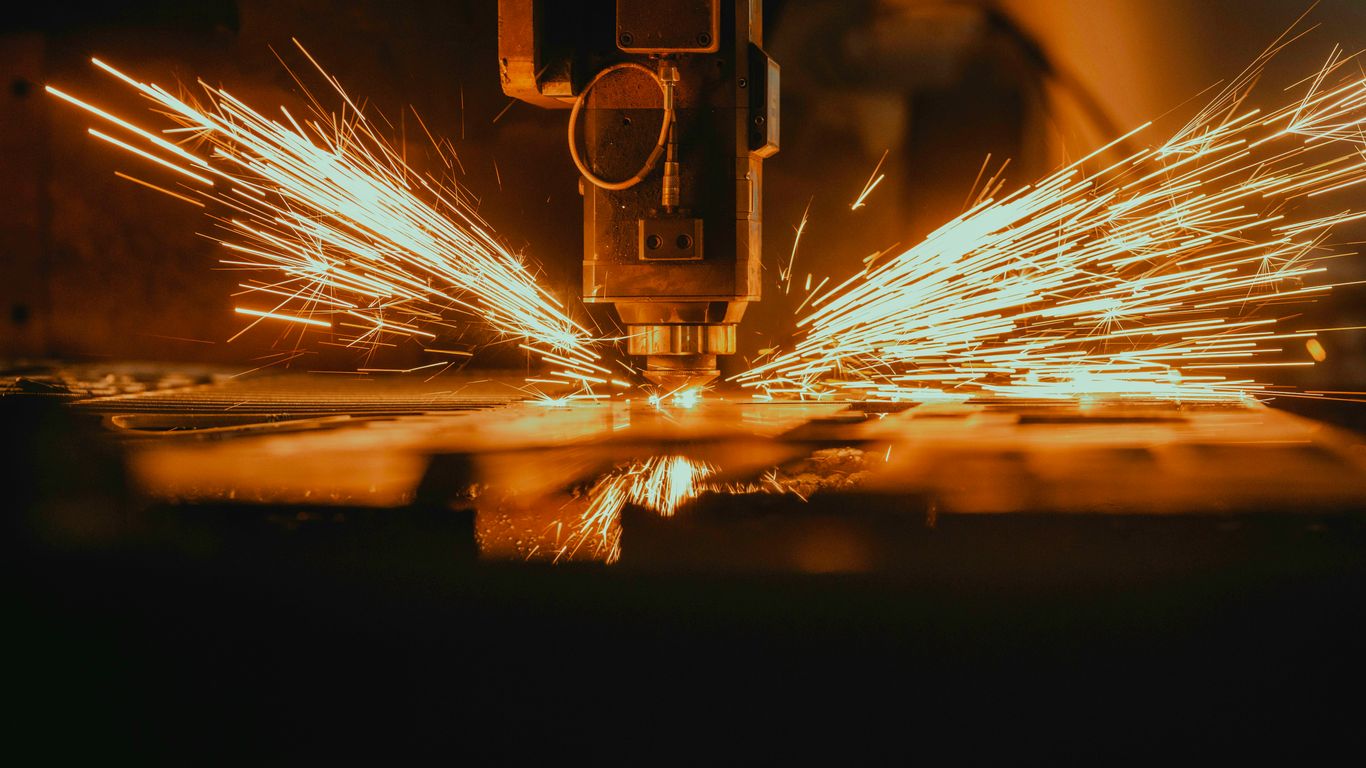
Turning a raw sheet of material into a finished architectural element requires specialized machinery and expertise. At Acrylic.my, we specialise in custom acrylic sheets and fabrication services that transform standard panels into refined visual tools for your office or storefront.
Laser cutting for precision edge finishes
Laser cutting uses a high-energy beam to vaporise the material, creating exceptionally smooth and polished edges. This level of detail is vital for small components like individual letters or delicate, intricate logos that demand a high-end finish without edge sanding.
CNC routing for complex shapes and 3D designs
For thicker sheets or more robust structural needs, CNC routing is the preferred method for removing material. This machine technology excels at creating complex paths and 3D geometries, providing custom acrylic fabrication for signage that needs to stand out from the wall.
Heat bending and thermoforming methods for curves
When your design calls for organic shapes or wraparound corners, heat bending allows the material to reach a pliable state. This process enables fabricators to form continuous, seamless curves that connect separate panels into a singular, flowing structure. A table outlining common sheet usage for these techniques is provided below:
| Process | Best Thickness | Typical Application |
|---|---|---|
| Laser Cutting | 1.5mm – 6mm | Intricate logos, thin lettering |
| CNC Routing | 6mm – 20mm | Large 3D letters, structural shapes |
| Heat Bending | 3mm – 10mm | Directional signs, curved displays |
Selecting the correct method involves balancing the thickness of your material with the geometric complexity of your planned signage.
Selecting the right acrylic material for your project
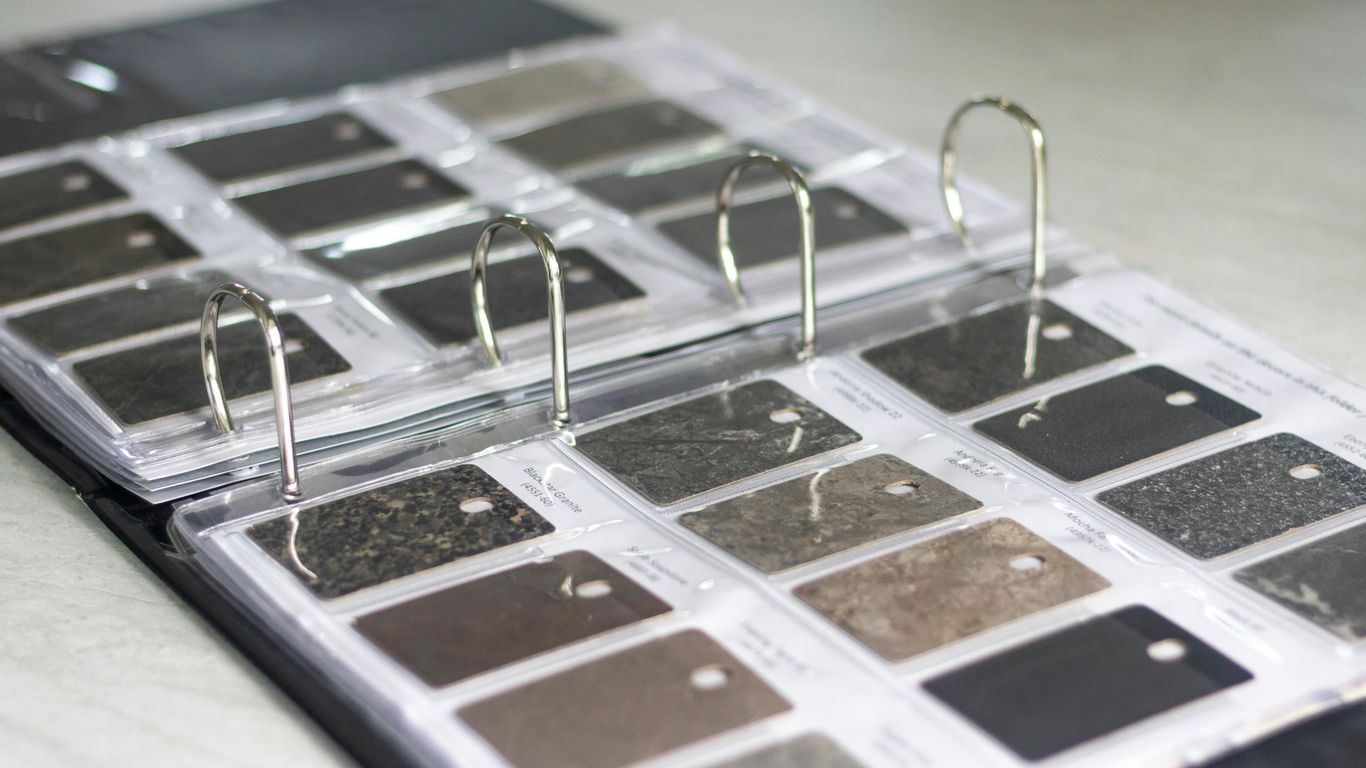
Not all materials perform the same way under different operational conditions. Before starting your design, it is important to consider the differences in manufacturing processes and how they affect the final aesthetic and physical durability of your display.
Cast versus extruded acrylic differences
Cast acrylic is created by pouring liquid monomer into moulds, resulting in consistent properties in every direction, which is ideal for complex milling and high-quality lettering. Extruded acrylic is pushed through rollers, making it more cost-effective but slightly more prone to internal stress when heated or cut.
Navigating thickness and weight requirements
Choosing the correct sheet thickness is essential for the structural stability of your sign. Thicker panels offer more rigidity and allow for larger unsupported spans, whereas thinner, lighter sheets might require more frequent mounting points to prevent bowing.
Finished aesthetic options including matte, gloss and frosted
Your branding strategy should dictate the surface finish of your signs. We recommend frosted acrylic surfaces for applications where you want to minimize glare while maintaining a soft, elegant light diffusion that feels professional in indoor reception areas.
Integrating lighting into acrylic displays
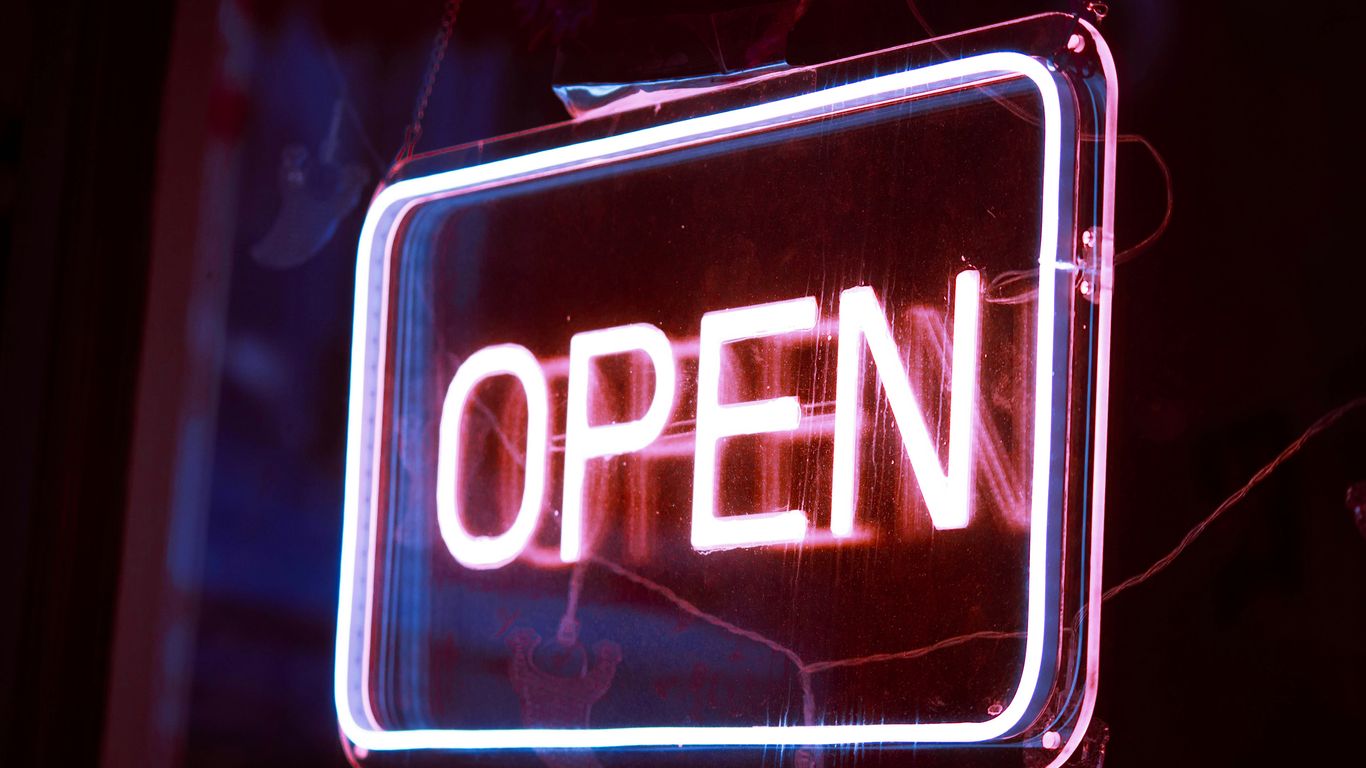
Illumination is a key factor in ensuring 24/7 visibility for your brand. By integrating advanced LED technology into your displays, you can turn a neutral fixture into a vibrant focal point that catches the eye regardless of the time of day.
LED edge lighting techniques for uniform illumination
Edge lighting involves placing LEDs along the side of a clear sheet, which then disperses light evenly across the surface. This method produces a subtle, neon-like glow that looks clean and contemporary without being overwhelming.
Backlit and push-through letter mounting styles
Push-through lettering involves routing out an opaque aluminum face and pushing acrylic letters through the gaps, creating a high-contrast sign. When light shines from behind, it gives the text a luminous, elevated appearance that is highly readable from long distances.
Managing heat dissipation in enclosed units
Proper ventilation within a light box is the most critical element for ensuring your LEDs do not fail prematurely. You must ensure that the housing design allows for sufficient airflow, as trapped heat can cause the acrylic face to warp or discolor over time. You can learn more about these lighting strategies by watching the demonstration video here:
Mounting and installation considerations for acrylic signs
Getting a sign to stay in place securely requires a thoughtful approach to hardware and surface types. Whether you are using mechanical standoffs or heavy-duty adhesives, the choice of installation method affects both the aesthetic presentation and the long-term safety of the display.
Wall standoff hardware options for a premium finish
Standoffs serve as the industry standard for creating a professional floating effect. These metal cylinders hold the acrylic panel a small distance away from the wall, allowing you to cast delicate shadows that provide depth to your display.
Adhesive versus mechanical fixing methods for panels
For smaller, lighter panels, specialized double-sided tapes or construction adhesives are often sufficient. However, for large-scale external signage, you should lean toward mechanical fixings to ensure that wind loads or building movement do not compromise the integrity of the bond.
Ensuring structural support for oversized or heavy displays
Large signs place significant weight on the mounting surface, requiring careful planning to prevent sagging or failure. Our team provides professional fabrication services to ensure your signage mounts are compatible with the specific load requirements of your wall type.
Best practices for acrylic sign maintenance
Maintaining the clarity of your professional branding is as important as the initial installation. Over time, environmental factors can cloud the surface if the material is not cleaned with appropriate methods or compatible agents.
Preventing micro-scratches during routine cleaning
Never use harsh scrubbing pads or abrasive cleaners on acrylic panels, as these leave permanent scratches that accumulate over time. Use a soft microfibre cloth and a mild detergent solution to gently wipe away dust and debris.
Handling environmental exposure and UV degradation
Even quality signage eventually shows signs of weathering in tropical environments if it lacks UV protection. Periodic inspections allow you to catch early signs of degradation before they affect the readability of your display.
Professional restoration techniques for light surface damage
Surface scratches do not always mean that you need a replacement. Minor blemishes can often be removed through careful buffing with specialized polishing compounds designed to restore the original, glass-like transparency of the acrylic surface.
Conclusion
Investing in high-quality materials and professional fabrication processes ensures your business signage remains an effective tool for communication and branding for many years to come. By understanding the nuances of sheet types, lighting integration, and proper installation techniques, you create a lasting impression that reflects the quality of your services.
Frequently Asked Questions
How does acrylic compare to glass for signage?
Acrylic is significantly lighter and more shatter-resistant than glass, offering similar clarity while being much easier to shape and drill for custom mounting requirements.
Can acrylic signs be used outdoors?
Yes, acrylic is a highly durable plastic that handles environmental exposure well, though it is best to ensure you use UV-stabilized sheets if the sign will be in direct sunlight for long periods.
What is the standard thickness for a wall sign?
Most interior office signs use 3mm or 5mm sheets, as these provide enough rigidity without creating excessive weight, while thicker 10mm options are suited for large 3D logo pieces.
How do I stop my sign from cracking during installation?
Avoid overtightening bolts in your mounting holes, as acrylic needs room to expand and contract due to temperature changes. Use slightly oversized pilot holes to allow for thermal movement.
Is it possible to print directly onto the acrylic?
Direct UV printing is a common and highly effective method for applying full-colour graphics or photos to signs, offering excellent detail and long-term colour fastness.
How do I remove glue residue from a surface?
Use a specialty acrylic-safe solvent to carefully lift adhesive residues, avoiding harsh mineral spirits that can cause the material to craze or crack upon contact.
Do I need special lighting for my acrylic signs?
LEDs are the standard choice because they run cool and energy-efficiently, which prevents the heat buildup that could otherwise damage your acrylic panels over time.
Contact Our Custom Fabrication Experts
If you are ready to start your next signage project, the team at Acrylic.my is here to assist with custom fabrication for your Malaysian business needs. Get a quote today by reaching out to our design consultants to discuss your requirements and material preferences.