Key Takeaways
Transitioning to acrylic shower screens offers a modern, durable solution for residential bathrooms. This guide highlights the essential considerations for selecting, customizing, and maintaining these fixtures.
- Acrylic provides superior impact resistance over standard glass.
- Custom dimensions are vital for ensuring a seamless fit.
- Material thickness directly affects the long-term structural integrity.
- Non-abrasive cleaning routines extend the life of your panels.
- Expert installation prevents long-term moisture and sealing issues.
Understanding the benefits of acrylic for shower screens
Modern renovations often require materials that balance safety with aesthetic appeal. For homeowners, utilizing custom acrylic shower screens is a practical approach to enhancing both the look and functionality of a bathroom space. By choosing high-quality acrylic, you ensure a material that is tough yet surprisingly simple to maintain.
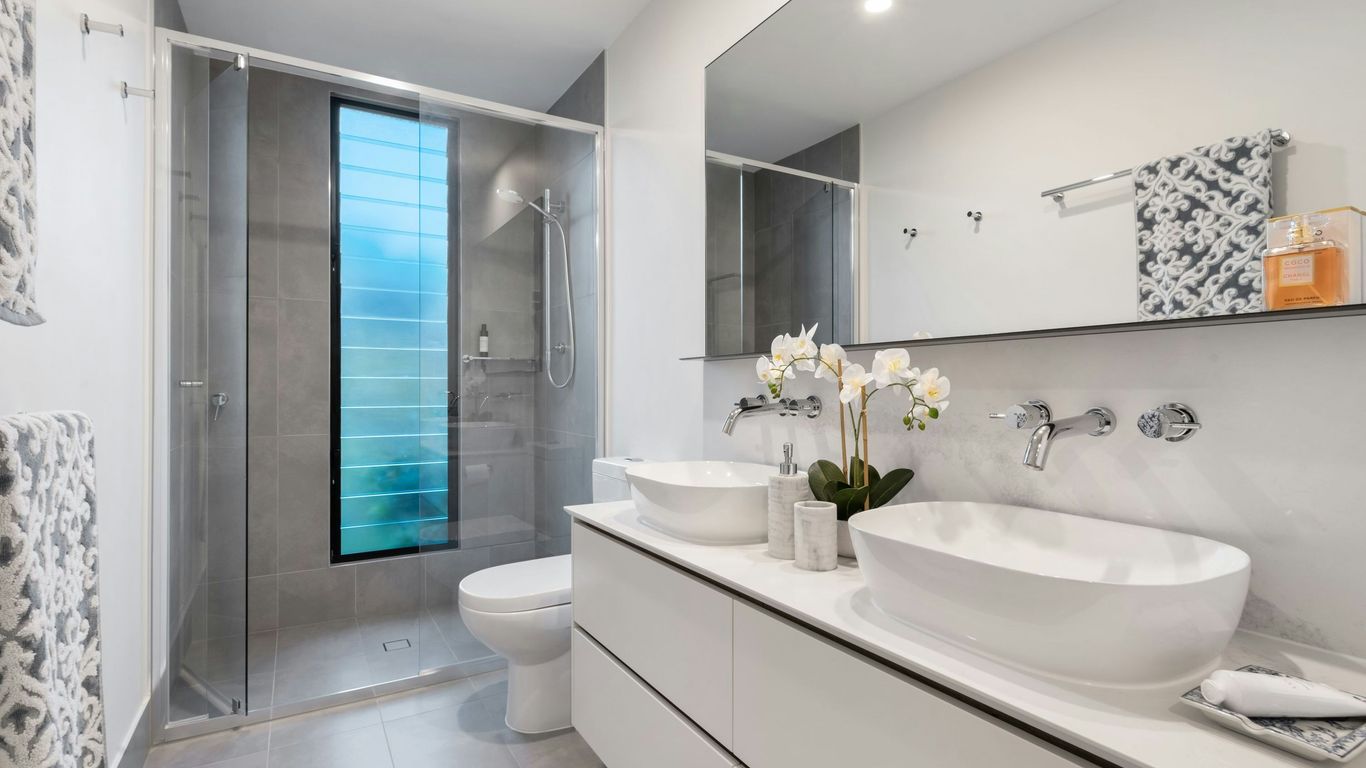
Superior impact resistance compared to glass
Traditional glass can be fragile, often posing a risk if damaged. In contrast, acrylic panels offer significantly higher impact resistance, making them a safer choice for busy households or family bathrooms. When you opt for high-quality alternatives, you reduce the risk of injury while maintaining the clean, transparent lines found in modern designs.
Lightweight properties for easier wall mounting
One of the primary benefits of working with acrylic is its reduced weight compared to tempered glass. This makes handling and mounting significantly easier, especially when structural limitations in older properties must be considered. When procuring materials from Acrylic.my, installers often find that the lighter load creates less stress on bathroom walls, simplifying the overall setup process.
Versatile design flexibility for non-standard bathroom enclosures
Every bathroom has its own unique footprint, often requiring customized solutions to maximize available space. Unlike glass, acrylic can be easily shaped and machined to fit irregular angles or sloped ceilings. This flexibility allows for custom acrylic signage techniques to be applied to shower panels for unique geometric fits, ensuring a precise result that off-the-shelf options simply cannot match.
Essential factors for customising your shower screen
When planning a renovation, precision in the planning phase determines the final performance of the unit. Working with experts who understand acrylic fabrication services ensures that all measurements align with the specific constraints of your shower area.
Calculating precise measurements for irregular or sloped spaces
Accurate measurements are the backbone of any successful custom screen project. Before ordering, it is necessary to account for wall misalignment and floor slopes to avoid gaps that could compromise the integrity of your moisture seals.
Selecting the ideal material thickness for structural stability
The choice of material thickness is not merely an aesthetic decision but a requirement for longevity. Choosing the right sheet provides the rigidity needed for tall partitions or swing doors. Comparing thickness options helps balance the need for a slim profile with the demand for a stable, wobble-free enclosure.
| Panel Height | Recommended Thickness | Primary Use Case |
|---|---|---|
| Under 1.5m | 6mm | Small partitioning |
| 1.5m – 2.0m | 8mm | Standard shower enclosure |
| Over 2.0m | 10mm+ | Heavy-duty pivot systems |
Selecting the appropriate thickness is fundamental to ensuring your shower screen survives daily use without bowing or structural stress.
Determining the required level of opacity or privacy for your bathroom
Privacy is a key factor when designing modern bathrooms, especially for shared spaces. Depending on your preference, you can choose between perfectly clear sheets or options that provide a layer of visual clouding. This selection process allows for a tailored bathroom experience, enabling light to flow through existing windows while maintaining comfort.
Design options and aesthetic finishes
Visual appeal is just as important as structural performance in contemporary bath design. The variety of available acrylic finishes allows you to customize the look of your space to match your interior design theme.

Exploring available colours and clear transparency grades
Whether you seek the brilliance of a crystal-clear finish or the subtle elegance of a tinted sheet, the options are extensive. Acrylic.my provides diverse material grades that retain clarity over time, ensuring your screen does not yellow or degrade under frequent humidity and moisture exposure.
Applying textured or frosted patterns for visual interest
Using specialized patterns can turn a functional shield into a design feature. You might consider techniques similar to those used in frosted acrylic sheets, which create a minimalist look perfect for obscuring sightlines. This technique creates a depth that plain surfaces cannot replicate.
Comparing modern frameless hardware against traditional profiles
The choice of hardware often dictates how contemporary or traditional your final install will appear. Frameless hardware minimizes visible brackets, allowing the material to serve as the visual centerpiece, whereas traditional profiles offer additional stability for larger, heavier framed enclosures.
Installation considerations for custom shower panels
Installation requires patience and the right tools, especially when dealing with moisture-exposed surfaces. Proper preparation is essential to prevent future leaks and ensure the long-term reliability of your custom acrylic sheets.
Managing uneven wall surfaces in older properties
Older homes often feature walls that are not perfectly plumb or level. Before installing your screen, ensure that you compensate for these irregularities to ensure a tight, aesthetically pleasing fit. You might need to use shims or custom-cut trim pieces to bridge the gaps between the screen and the wall.
Best practices for applying moisture-resistant silicone seals
A successful installation is defined by the quality of its seals. When applying silicone, it is important to follow specific industry standards to prevent water from collecting in hidden zones:
- Thoroughly clean all surfaces of dust or grease.
- Use a professional-grade moisture-resistant silicone sealant.
- Apply a continuous, uniform bead along all joining edges.
- Tool the silicone immediately for a smooth, waterproof finish.
- Allow the sealant to cure fully for at least 24 hours.
Taking these steps helps maintain a water-tight barrier that prevents damage to bathroom flooring and walls, effectively managing leaks before they become a larger issue.
Integrating robust mounting brackets and high-quality hinges
Hardware plays a dynamic role, as it must resist both the weight of the panels and the corrosive effects of moist air. Investing in high-grade stainless steel or moisture-resistant alloys ensures that hinges remain stiff and brackets maintain pressure, even after years of daily operation.
Maintenance and care for long-lasting acrylic surfaces
Maintaining the clarity of your panels requires a gentle touch and the right supplies. Using improper chemicals can impact the surface finish and clarity in the long term, so adhering to recommended care guidelines is crucial for preserving long-term performance.
Choosing non-abrasive cleaning agents safe for acrylic
When cleaning your screen, always avoid harsh scrubbing pads or ammonia-based liquids. Instead, stick to a mixture of lukewarm water and a mild soap, which is gentle and highly effective for keeping acrylic panels as clean as the day they were installed. In some cases, consult Acrylic.my for specific care recommendations suitable for your chosen panel thickness.
Effective techniques for preventing fine scratches and scuffs
Micro-scratches often accumulate when abrasive cloths are dragged across the surface. To mitigate this, always use a soft microfibre cloth when drying your panels, and never wipe them while they are bone-dry, as this can catch dust particles that act like sandpaper. For those interested in modern shower door panels, consistent maintenance is the best, most inexpensive way to keep your bathroom looking new.
Scheduling timely inspections of hardware connections and seals
Periodic checks ensure that vibration or weight has not loosened the fittings. A quick look at your hardware and silicone edges every few months allows you to catch minor gaps before they evolve into persistent moisture issues. This systematic care keeps your enclosure sturdy and reliable for many years.
Conclusion
Selecting and installing custom acrylic shower screens is a highly rewarding way to upgrade your bathroom’s safety, aesthetic, and overall durability, especially when you leverage the flexibility that high-end acrylic provides for unique architectural requirements. By focusing on proper measurement, selecting the right thickness, and committing to simple maintenance routines, you can ensure that these surfaces remain a functional, attractive part of your daily home experience for well over a decade.
Frequently Asked Questions
Is acrylic naturally resistant to moisture?
Yes, acrylic is a non-porous material, meaning it naturally resists water absorption, making it an ideal choice for humid shower environments.
Does acrylic yellow after exposure to light?
High-quality modern acrylic is treated to resist UV rays and degradation, meaning it typically retains its clarity for years without yellowing under normal indoor lighting.
Can I install these panels on my own?
While experienced DIY enthusiasts can manage smaller screens, for large or complex enclosures, working with a professional ensures that seals and mounting alignment are handled safely.
How do I remove deep scratches from the surface?
Minor scuffs can often be polished out using specialized plastic restorative compounds, but deep gouges may require professional sanding and buffing back to a high-gloss finish.
Is acrylic safer than glass for bathrooms?
Because it does not shatter into sharp shards when subjected to extreme force, it is widely considered a safer, impact-resistant alternative for families.
How long does a typical acrylic screen last?
With regular, gentle maintenance and periodic hardware inspections, these panels are designed to last for many years without losing their structural performance.
Can cleaning agents with alcohol damage the surface?
Yes, ammonia and high-concentration alcohol can chemically weaken the acrylic surface, potentially causing cracking, so always stick to mild, non-abrasive soapy water for cleaning.