Key Takeaways
Selecting the right material for your design projects ensures both aesthetic appeal and structural longevity. This guide clarifies the properties of frosted acrylic and provides practical advice for purchasing and maintaining your materials.
- Frosted acrylic offers excellent light diffusion while maintaining privacy.
- Understanding the manufacturing differences between cast and extruded sheets is vital.
- Choosing the correct sheet thickness impacts both structural integrity and light transmission.
- Proper cleaning and maintenance are essential for preventing surface degradation.
- Working with a reputable supplier ensures consistent material quality and fabrication standards.
Understanding the qualities of frosted acrylic
Frosted acrylic is a versatile material prized for its ability to diffuse light softly while obscuring direct views. By scattering light evenly, it eliminates harsh glare and creates a sophisticated matte appearance that works well in various settings. At Acrylic.my, we often help clients choose between finishes to ensure their project goals are met with precision.

Visual characteristics and light diffusion
The most notable trait of frosted acrylic is its signature textured surface, which creates a translucent rather than transparent look. This diffusion makes it a popular choice for designers seeking to hide internal mechanical components or simply add an element of filtered light to a room, especially when balanced in decorative interiors.
Differences between cast and extruded sheets
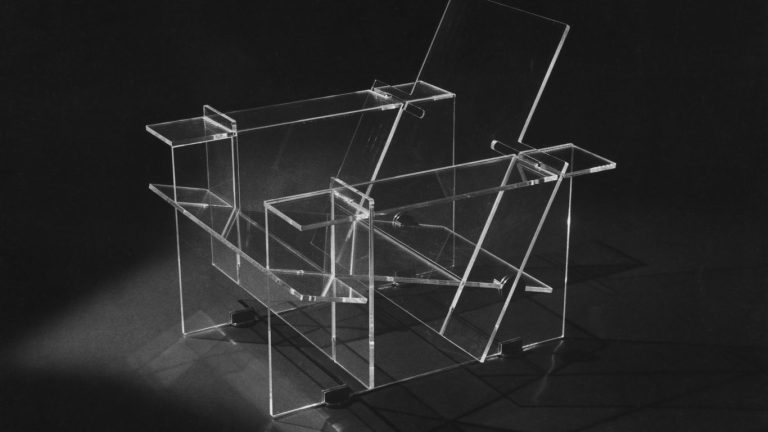
Cast acrylic is produced through a batch process that results in superior optical uniformity and greater resistance to chemicals, making it ideal for high-end furniture. Extruded acrylic is manufactured using a continuous process that is often more cost-effective but may exhibit different thermal properties during secondary heating or bending processes.
Durability and UV resistance
Acrylic is inherently stable under sunlight, resisting yellowing and brittleness that plague other plastics. Because the frosting is often integrated directly into the polymer matrix during the manufacturing stage, the finish remains permanent and will not peel or wear away under normal conditions, ensuring your acrylic installations remain vibrant for years.
Common applications for frosted acrylic sheets
From modern retail environments to residential décor, frosted acrylic provides a clean, professional aesthetic that elevates any space instantly. It is frequently employed where visual privacy is desired but natural light must be preserved, acting as a functional bridge between opaque stone and fully transparent glass.
Interior design and decorative partitions
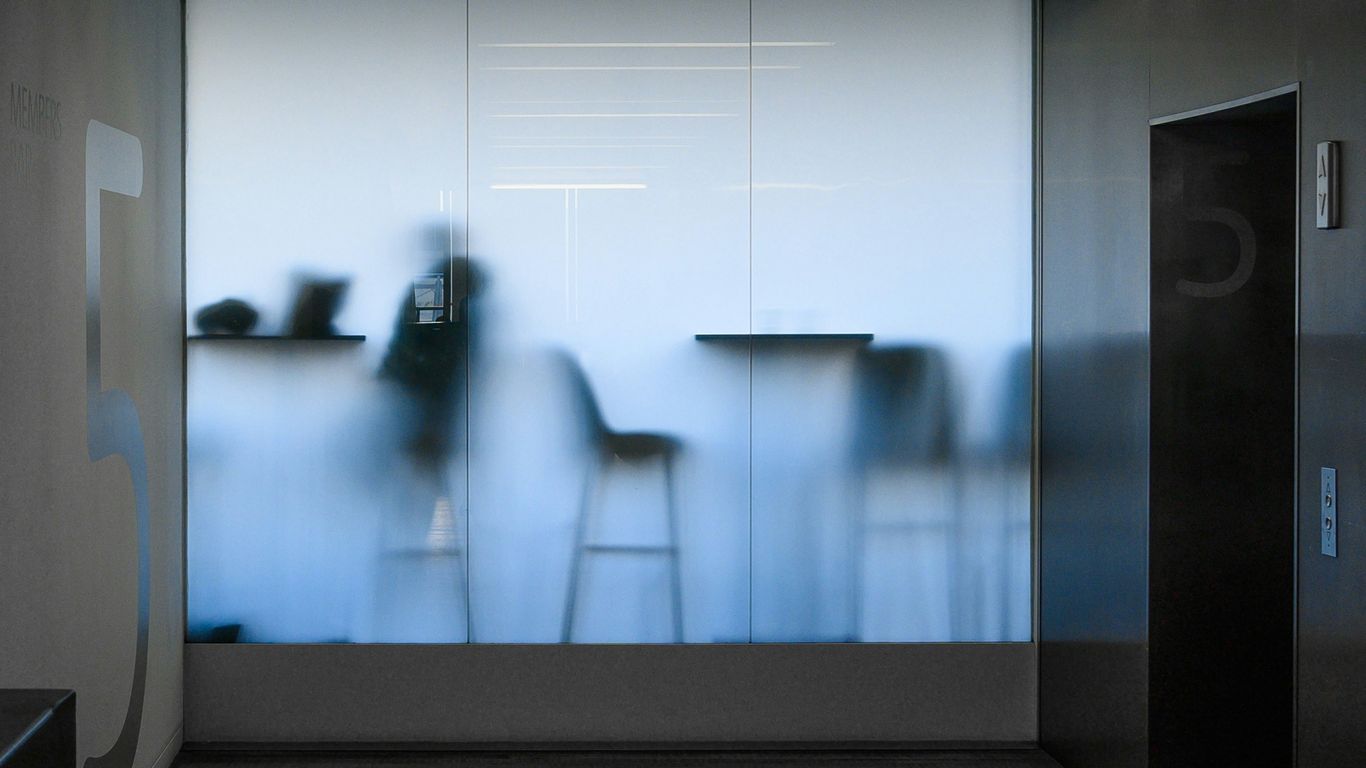
Using acrylic for partitioning is an effective way to define functional work zones in open-plan offices without making the space feel cramped. Its lightweight nature simplifies wall-mounting in residential or office environments compared to heavy framed glass panes and similar alternatives.
Retail signage and point-of-sale displays
Retail environments benefit from the non-glare properties of frosted sheets, which enhance the readability of signage and branding elements under strong store lighting. These acrylic boards create a high-quality, professional look that keeps shopper focus on the products rather than light reflections.
Bespoke furniture and lighting fixtures
Furniture designers often use frosted panels for tabletops or cabinet inserts to provide a touch of modern elegance and texture to contemporary interiors. The following table illustrates common properties for these specific use cases.
| Application Type | Light Transmission | Primary Benefit |
|---|---|---|
| Privacy Screens | Medium-High | Visual Obscurity |
| LED Light Diffusers | High | Hot spot removal |
| Counter Decor | Low-Medium | Scratch resistance |
Selecting the right density allows for tailored light transmission specifically for your unique project requirements.
Factors to consider before choosing a thickness
Selecting the appropriate sheet gauge is critical to ensuring your final structure remains rigid and stable over time. Thinner sheets are ideal for lightweight decorative elements, while thicker panels are required for heavy-load applications or as structural glazing components.
Structural integrity and load-bearing requirements
As the span of your installation increases, so does the risk of deflection, which means choosing a thicker material is necessary for self-supporting shelves or large wall divisions. Consulting with Acrylic.my regarding intended structural loads can help ensure your dimensions are both safe and efficient.
Impact on light transmission rates
The light diffusion profile changes as the depth of the material increases, meaning thicker sheets may appear more opaque or muted than thinner counterparts. Maintaining a balance between structural strength and the desired volume of light passing through the sheet is fundamental for backlit projects.
Ease of fabrication and cutting
Standard cutting tools often perform differently depending on the thickness of the acrylic being routed or sawn, with thinner sheets sometimes being more prone to heat-related melting. Knowing the material thickness is the first step in prioritizing your cuts for cleaner finish edges and reduced material waste.
Tips for selecting the right supplier
Finding a partner that understands your specific manufacturing needs is just as important as the quality of the resin itself. A good supplier should provide transparent information about the material origin and offer services that streamline your final installation process.

Checking for quality certifications and material origin
Reliable suppliers maintain detailed records regarding the origin of their polymers, ensuring the acrylic meets international safety and environmental standards. Before you buy frosted acrylic sheets, verify that the product has undergone rigorous testing related to impact strength and long-term weathering.
Evaluating custom cutting and machining services
Efficiency in your workflow often depends on receiving materials that are ready for immediate installation, which makes custom cutting and edge polishing services highly valuable. Look for providers that offer precise tolerances and offer the following services:
- Laser cutting for intricate design patterns.
- CNC routing for exact structural shapes.
- Flame polishing to create glassy edges.
- Heat bending for bespoke curved profiles.
These capabilities allow you to focus on design rather than heavy machinery.
Comparing lead times and delivery logistics
Prompt delivery is essential for keeping project timelines on track, especially when working with custom dimensions. Clear communication from your acrylic supplier regarding shipping estimates can prevent costly construction delays and inventory management issues.
Fabricating and maintaining your acrylic panels
Working with acrylic is straightforward, provided you understand the basic principles of heat management and edge finishing that minimize stress on the material. Proper care following initial fabrication ensures that the panel retains its visual clarity and structural properties for as long as possible.
Techniques for clean cutting and edge finishing
Using the correct blade geometry for your saw is the most significant factor in preventing chipping and melting along the cut path. Always remove protective film only after the cutting process is complete to provide an extra layer of defense against accidental gouges or surface imperfections.
Recommended cleaning agents to prevent surface damage
Acrylic surfaces should be cleaned using soft, lint-free cloths and non-abrasive detergents to maintain their matte sheen over many years. Avoid solvent-based cleaners or ammonia-heavy sprays that can degrade the integrity of the surface and compromise the frosting finish.
Preventing scratches and long-term surface degradation
Although acrylic is highly durable, it remains susceptible to fine scratches if improperly managed, especially in high-traffic commercial zones. By following these care protocols, you can easily connect with us to further discuss your specific maintenance needs for large-scale projects.
Conclusion
Investing in high-quality frosted acrylic provides a durable, elegant, and versatile solution for both commercial and residential projects, as long as you account for proper thickness and fabrication techniques. By carefully choosing your materials and working with a knowledgeable supplier like Acrylic.my, you ensure your design choices last for years to come.
Frequently Asked Questions
Does frosted acrylic provide complete visual privacy?
Frosted acrylic is designed to obscure details while still allowing soft light to pass through, meaning it provides excellent privacy by turning shapes into silhouettes without blocking all light.
Can frosted acrylic be used in outdoor installations?
Because acrylic is naturally resistant to UV light and weathering, it is perfectly suitable for outdoor environments like decorative windows or exterior signage, provided it is mounted correctly.
Is the frosting finish applied or integrated?
In standard frosted acrylic sheets, the finish is integrated into the material during production, meaning it is permanent and will not peel, scratch away, or fade over time.
How does thickness affect light diffusion?
Generally, thicker sheets of frosted acrylic may scatter light more intensely than thinner ones, which can result in a more opaque or muted appearance for your backlit features.
How should I clean my acrylic panels?
Use a mild soap and water solution with a clean microfiber cloth, avoiding harsh chemicals, bleach, or abrasive sponges that could dull the surface or cause microscopic scratches.
Can I cut frosted acrylic myself?
Yes, you can cut frosted acrylic using standard woodworking tools like jigsaws or circular saws, but you must use blades designed for plastics to avoid melting the edges and ensure a clean finish.
Will frosted acrylic yellow over time?
High-quality cast acrylic is specifically formulated to be UV-stable, which ensures that it remains clear and vibrant even after long-term exposure to sunlight.