Key Takeaways
Effective acrylic signage fabrication requires a considered approach to material selection, technical precision, and long-term asset management for businesses.
- Precision fabrication methods, including laser cutting and CNC routing, offer flexibility for complex brand requirements.
- Strategic material selection, ranging from clear to frosted acrylic, dictates the final visual impact of the signage.
- Understanding environmental factors is essential for choosing between indoor and outdoor installation requirements.
- Professional design stages ensure that structural integrity and lighting integration align with original brand concepts.
- Proper maintenance and high-quality installation hardware extend the lifespan of acrylic signage in high-traffic commercial environments.
Understanding acrylic signage fabrication methods
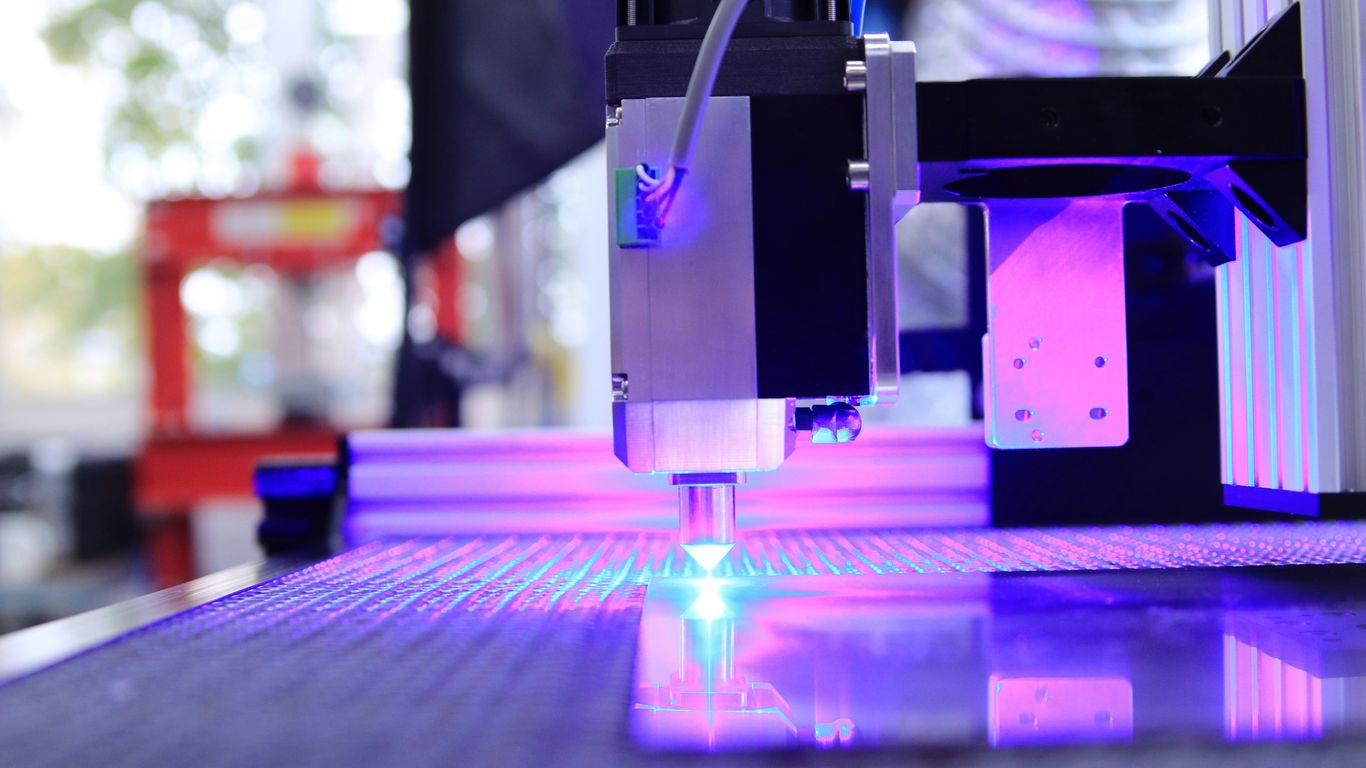
Choosing the right fabrication technique is the first step in creating durable, visually distinct signage that communicates a company’s identity at a glance. Technologies such as laser cutting and CNC routing allow for precise execution of complex geometries, while specialized finishing processes like flame polishing provide a refined, high-end look. By working with a specialist like Acrylic.my, businesses can ensure that technical constraints are addressed early, resulting in a product that is both functionally stable and aesthetically striking.
Laser cutting techniques for precision edges
Laser cutting uses a high-density light beam to vaporise material along a defined path, which creates incredibly crisp, fire-polished edges instantly. This method is preferred for intricate logos, thin lettering, and detailed graphic patterns where mechanical stress could lead to warping or micro-fractures in the material. Professionals rely on this precision to ensure that complex brand shapes retain their integrity throughout the assembly phase.
Cnc routing for heavy-duty panels
When working with thicker acrylic sheets for lobby signs or structural components, CNC routing offers a mechanical approach that handles density well. The routing process uses a high-speed spindle to carve through thicker panels, making it an ideal choice for 3D mounting and architectural wayfinding elements. This technique is often suited for larger projects where the structural robustness of the final output is paramount, such as the custom acrylic fabrication required for heavy-duty interior fixtures.
Flame polishing for a professional, crystal-clear finish
Flame polishing uses a high-temperature torch to melt the cut edges of acrylic, removing frosted textures and creating a smooth, glass-like surface. This process is essential for signage that uses clear or transparent sheets where edge visibility is part of the overall design aesthetic. It turns potentially sharp, industrial-looking edges into soft, illuminated points that emphasize the quality of the finish.
Material selection and aesthetic finishes
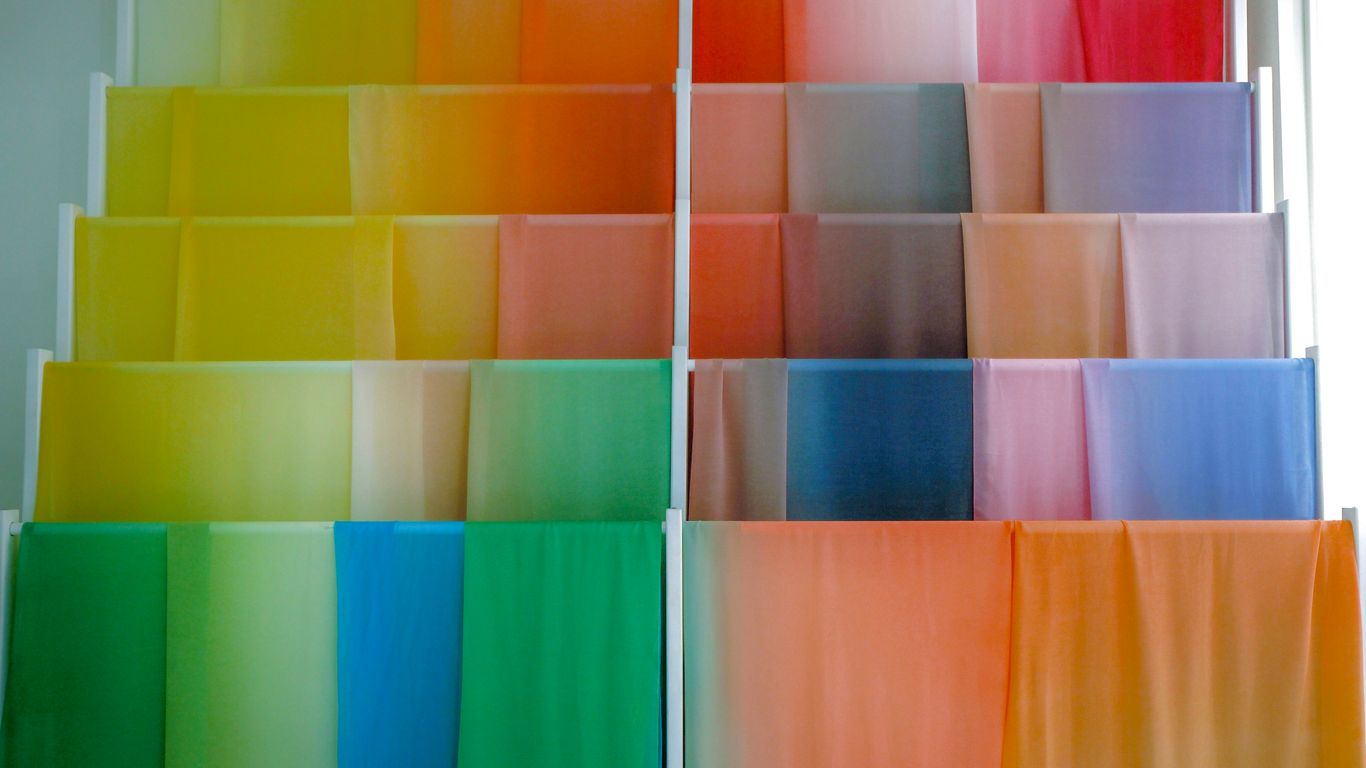
Selecting the correct grade of acrylic is a foundational aspect that determines how a sign interacts with light, onlookers, and the surrounding environment. Whether you need the high-end transparency of clear acrylic or the understated elegance of frosted panels, the material choice must align with the intended brand placement. Professionals at Acrylic.my can assist in evaluating these material properties for your specific project needs.
Choosing between clear, frosted, and opaque acrylic
Choosing between these finishes depends on the desired level of privacy and the lighting environment of the storefront or office. Clear acrylic is ideal for a floating, architectural look, while frosted surfaces diffuse light, making them perfect for creating soft, glare-free signage that remains readable in intense lighting. Opaque options provide a solid base for layered dimensional lettering, ensuring that the brand identity stands out against wall backdrops.
Exploring colour-matched translucent sheets for branding
Maintaining the exact brand palette is critical for corporate identity, and translucency in acrylic allows for vibrant, backlit logo displays that appear uniform in color. By utilizing acrylic signage inspiration, businesses can select translucent sheets that maintain brand consistency whether the sign is illuminated at night or viewed in daylight. This exact color matching requires careful consideration of sheet thickness to ensure the light distribution is even across all elements.
Incorporating surface textures and non-glare coatings
In environments with bright natural or artificial light, glare can quickly reduce the visibility of important information. Applying non-glare coatings to acrylic surfaces ensures that your message remains clear regardless of the viewing angle, a technique frequently used in high-end retail environments. Consider the following material specs when comparing surface types for your project:
| Material Type | Primary Use Case | Light Transmission |
|---|---|---|
| Clear Acrylic | Dimensional reception logos | 92% |
| Frosted Acrylic | Glare-free directional signs | 70% |
| Opaque Acrylic | Layered retail branding | 0% |
Selecting the right finish ensures that your physical output reflects the quality of your brand. Like ensuring home comfort accents match a room design, signage finish must harmonize with its surroundings.
Designing for effective fabrication
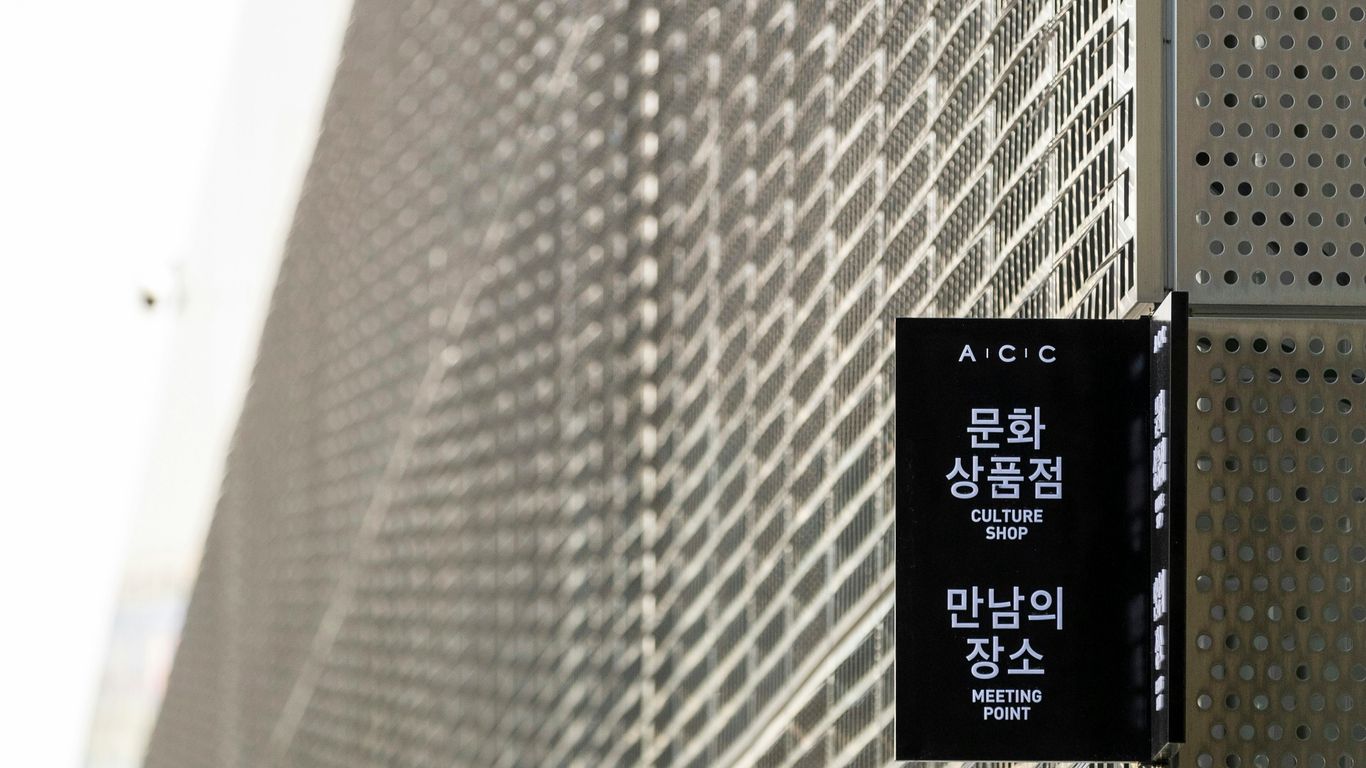
Design is where intent becomes a physical reality, requiring a balance between creative ambition and the mechanical realities of the fabrication floor. A successful design process accounts for how the pieces will be fastened, the weight of the material, and the depth of the signage if it is intended to overhang from a wall. For many, integrating modern acrylic signage design starts with digital mockups to avoid later adjustments.
Balancing visual impact with structural integrity
Designing for impact means thinking about the scale and orientation of the sign to ensure it stays securely mounted. If you are a business owner learning about managing mental energy, you might appreciate that we make complex designs simpler by identifying potential failure points in the structural plan early on. The goal is to maximize aesthetic appeal while ensuring the weight of the sign does not compromise its mounting point or the wall it is attached to.
Planning for mounting hardware and depth requirements
- Verify wall suitability for heavy-duty anchoring systems.
- Account for the total projection depth when utilizing standoff hardware.
- Check for flush vs. offset positioning options based on cable management needs.
- Cross-reference bolt patterns with the structural integrity of the acrylic.
These considerations help prevent mechanical issues after installation, which is a common worry when planning to invest in acrylic cabinets or similar large fixtures. Having a clear installation plan ahead of time saves significant effort once production begins.
Optimising layouts for integrated illumination systems
Integrating LEDs within acrylic signage requires precise planning for how light diffuses through the chosen thickness. A layout that properly masks the hardware while allowing for consistent light output across the entire sign face is essential for a professional look. Professionals often use internal reflective layers to amplify the light, ensuring the final product remains consistently bright during evening hours without showing hotspots of the LEDs.
Choosing between indoor and outdoor applications

Selecting material and finishing for outdoor environments presents unique challenges regarding sunlight and weather degradation. While internal signs are protected, outdoor displays must face direct UV exposure and precipitation, requiring specific high-durability grades of acrylic. Acrylic.my guides clients through these durability factors to ensure assets withstand the elements.
Assessing weather resistance and UV protection
Polymer science has advanced to create acrylic that is inherently resistant to UV radiation, preventing the yellowing or brittle transition often seen in inferior plastics. Choosing a UV-stabilized exterior grade is essential for logos exposed to constant sunlight, particularly in tropical climates like Malaysia where heat and humidity are constant factors.
Identifying the best acrylic grades for high-traffic areas
In high-traffic regions like transit points or busy malls, the risk of impact or heavy cleaning demands is higher. High-impact resistant acrylic grades offer a level of durability that guards against accidental damage, ensuring that your long-term signage investment remains intact despite the hustle and bustle of commercial life.
Long-term maintenance and cleaning standards
Routine care is the key to maintaining the high gloss finish of your professional displays. Use only specialized acrylic cleaners and soft, non-abrasive cloths to prevent surface degradation or micro-scratching. Never rely on harsh household solvents, as these can compromise the structural integrity of the plastic over time.
Following these simple care instructions ensures that your signs maintain their quality and clarity for many years post-installation, keeping your brand looking current and professional.
Navigating the professional production process
Collaborative design and prototyping stages
The most successful signage projects begin with a collaborative design phase where the fabricator and brand team iterate on material choices and mockups. Prototyping allows stakeholders to verify the scale and color accuracy before the full production run begins, avoiding costly errors. This stage is vital for creating bespoke signage that perfectly mirrors a firm’s identity.
Maintaining brand consistency throughout production
Consistency isn’t just about the logo; it’s about the feel of the material, the tone of the color, and the light quality of the final install. Professionals maintain this consistency by matching Pantone colors and testing transparency levels across the production line. This vigilance ensures that your sign looks the same whether it is in a small office or on the exterior of a building.
Implementing quality control checks before dispatch
Before any signage leaves the workshop, it must undergo a rigorous quality assessment to verify finish quality, hardware compatibility, and electrical safety. Each element, from the acrylic thickness to the standoff fitment, is inspected to ensure that what arrives at the installation site is ready for immediate deployment.
Best practices for signage installation
Secure standoff mounting systems explained
Standoff mounts provide a sophisticated, floating look that separates the signage from the wall surface while adding depth to the installation. These systems use cylindrical hardware that screws into the wall and supports the acrylic panels through drilled holes. Selecting the right standoff finish can significantly enhance the professional character of the sign.
Choosing between wall-fixed and suspended configurations
Wall-fixed options are generally more stable and better for large pieces, whereas suspended systems offer a dynamic, airy aesthetic suitable for reception areas. The choice often comes down to the architectural constraints of the space and how the sign is meant to lead a visitor’s gaze. Expert installers account for both the aesthetic demand and the load-bearing requirements of the mounting system.
Managing safety considerations for large-format displays
Large-format displays must comply with strict safety regulations to ensure they are securely fastened against wind loads or accidental impact. This planning is akin to ensuring that local travel logistics for a busy team are safe and reliable—everything from the hardware quality to the wall structure must be vetted. Proper oversight during the installation process is the final, critical step in the fabrication journey.
Conclusion
Investing in high-quality acrylic signage fabrication provides businesses with a durable, sophisticated, and versatile branding asset. By balancing precise fabrication techniques with long-term maintenance and design accuracy, businesses can create signs that effectively represent their brand identity for years to come.
Frequently Asked Questions
What are the main benefits of using acrylic for signage?
Acrylic offers a modern, glass-like appearance that is significantly lighter and more shatter-resistant than traditional glass. Its versatility allows for a wide range of colors, finishes, and custom shapes, making it ideal for both functional and high-end visual displays.
How does cast acrylic differ from extruded acrylic in fabrication?
Cast acrylic is created by pouring liquid material into molds, resulting in superior clarity and strength, which makes it ideal for complex machining and laser cutting. Extruded acrylic is produced using a continuous process that is often more cost-effective but may exhibit different stress characteristics during cutting and bending.
Can acrylic signs be used outdoors?
Yes, acrylic signs are suitable for outdoor use, provided that UV-stabilized grades are selected to prevent yellowing or degradation. Properly engineered signage ensures the material withstands environmental exposure, including varying temperatures and sunlight.
How do you achieve a glass-like edge on acrylic signs?
Achieving a glass-like edge is typically done through flame polishing, where a high-temperature torch melts the edges of the cut acrylic. This process removes any burrs or frosting, resulting in a smooth, transparent finish that is polished to a professional standard.
What is the purpose of standoff mounting hardware?
Standoff hardware is used to mount signage at a fixed distance from the wall, creating a three-dimensional effect and a sophisticated, floating visual. Beyond aesthetics, it provides a secure way to support acrylic panels that might otherwise lie flush against a surface.
How should acrylic signs be cleaned and maintained?
Acrylic signs should be cleaned with specialized cleaners and non-abrasive soft cloths to avoid scratches. It is critical to avoid harsh household chemicals, as these can crack the material or leave a cloudy residue on the sign’s surface over time.
Can acrylic be integrated with lighting systems?
Acrylic is an ideal material for illuminated signage because of its excellent light transmission and diffusion properties. LEDs can be placed behind or along the edges of the acrylic panels to create vibrant, uniform backlighting or edge-lit effects that improve visibility day and night.