Key Takeaways
Selecting the right display hardware helps businesses communicate effectively with their customers throughout a retail space. By understanding the functional differences between various clear holders, you can create a more professional and organised environment.
- Acrylic provides superior clarity and durability compared to traditional glass display alternatives.
- L-shape holders offer the best compromise for low-level counters where space is limited.
- T-shape displays maximise visibility in busy areas by allowing customers to read content from both sides.
- Slanted designs offer an ergonomic viewing angle that naturally catches the eye of passersby.
- Regular maintenance with mild soap and water extends the life of your display inventory significantly.
The role of acrylic sign holders in retail and beyond
Effective signage acts as the silent clerk your shop needs to guide visitors and highlight current promotions. Utilising an acrylic sign holder ensures that your printed communication remains protected from spills while maintaining a crisp, professional appearance that glass often struggles to emulate over time.
The durability and aesthetic benefits of clear acrylic
When choosing display materials, acrylic serves as an excellent investment for your business due to its inherent strength and lightweight nature. Unlike glass, which can shatter upon accidental impact, high-quality sheets offer a resilient alternative that keeps your messaging secure in high-traffic commercial environments.
How visual communication impacts customer experience
Clear messaging throughout a store helps customers navigate product categories without needing to interrupt staff members. Providing information through well-placed acrylic stands, such as our A5 acrylic stand solutions, creates a cohesive shopping journey that feels intuitive rather than forced.
Distinguishing between standard and premium grade materials
Quality matters when selecting fabrication materials, as variations in thickness and optical clarity influence the final look of your display. At Acrylic.my, we focus on providing consistent results by choosing the right fabrication methods that preserve the material’s natural, polished finish.
Features and applications of l-shape sign holders
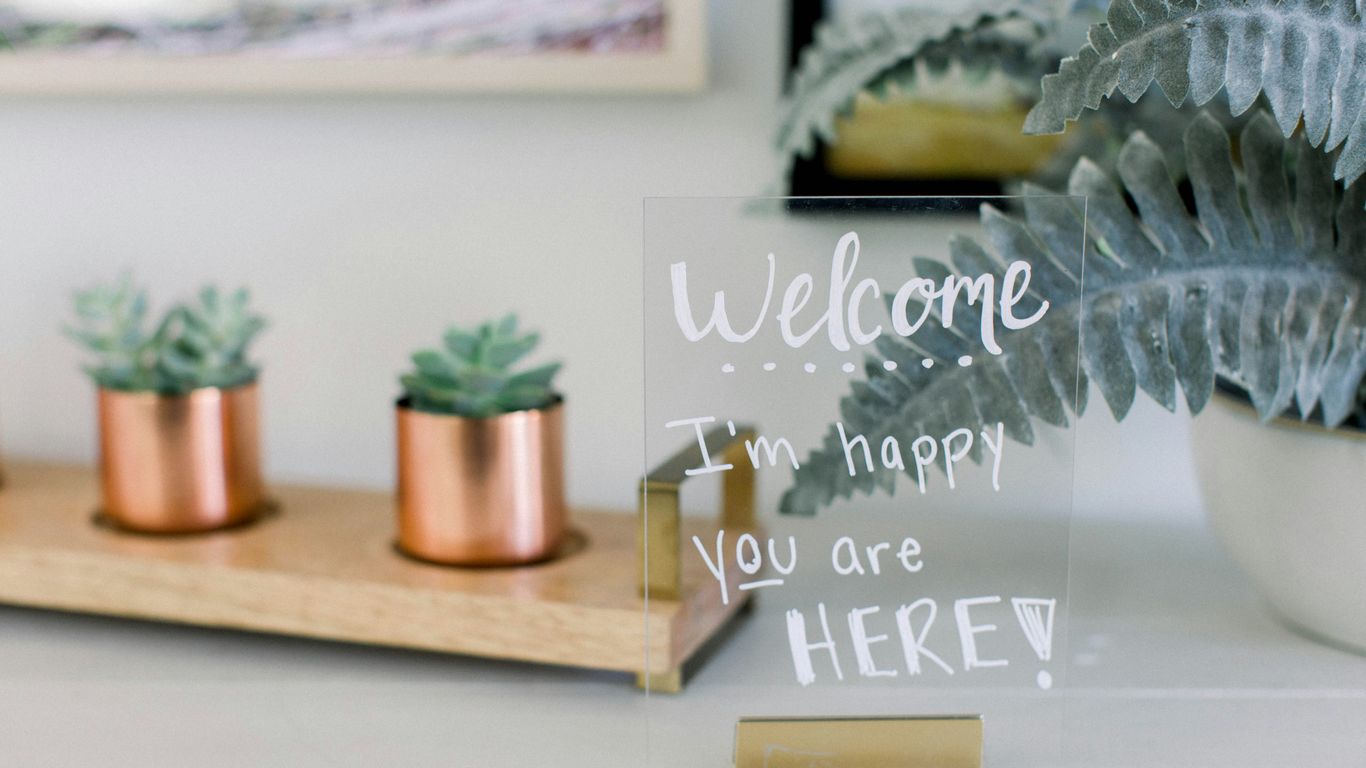
L-shape holders provide a simple and effective way to present directional information or pricing at eye-level. Their design makes them particularly popular for point-of-sale areas where a low profile is required to prevent visual clutter.
Ideal viewing angles for low-level placement
The angled backrest of these holders ensures that text remains legible even when placed below the customer’s sightline. This is vital when designing acrylic signage for crowded shelves where space is at a premium.
Space-saving benefits for cramped workspaces
If your service area is limited, an L-shape stand provides a compact footprint. These holders are ideal for tidy display setups, following the principles found in retail display design where maximising every square inch of counter space matters.
Stability considerations on different surfaces
For most heavy-duty applications, the base provides sufficient resistance against tipping. However, choosing the right material thickness is essential for ensuring your stands remain upright during daily use in a busy retail store.
Situations where single-sided display is preferred
Sometimes, you only need to address the customer directly or need to place signage against a back wall. The following table illustrates when to choose a single-sided L-shape setup over other configurations.
| Feature | Single-Sided L-Shape | Double-Sided T-Shape |
|---|---|---|
| Ideal View | One Direction | Multiple Directions |
| Footprint | Minimal | Slightly Larger |
| Placement | Back Walls/Counters | Freestanding Aisles |
Selecting the correct design ensures that your acrylic sign serves its intended purpose without occupying unnecessary shelf real estate.
Versatility of t-shape acrylic sign holders
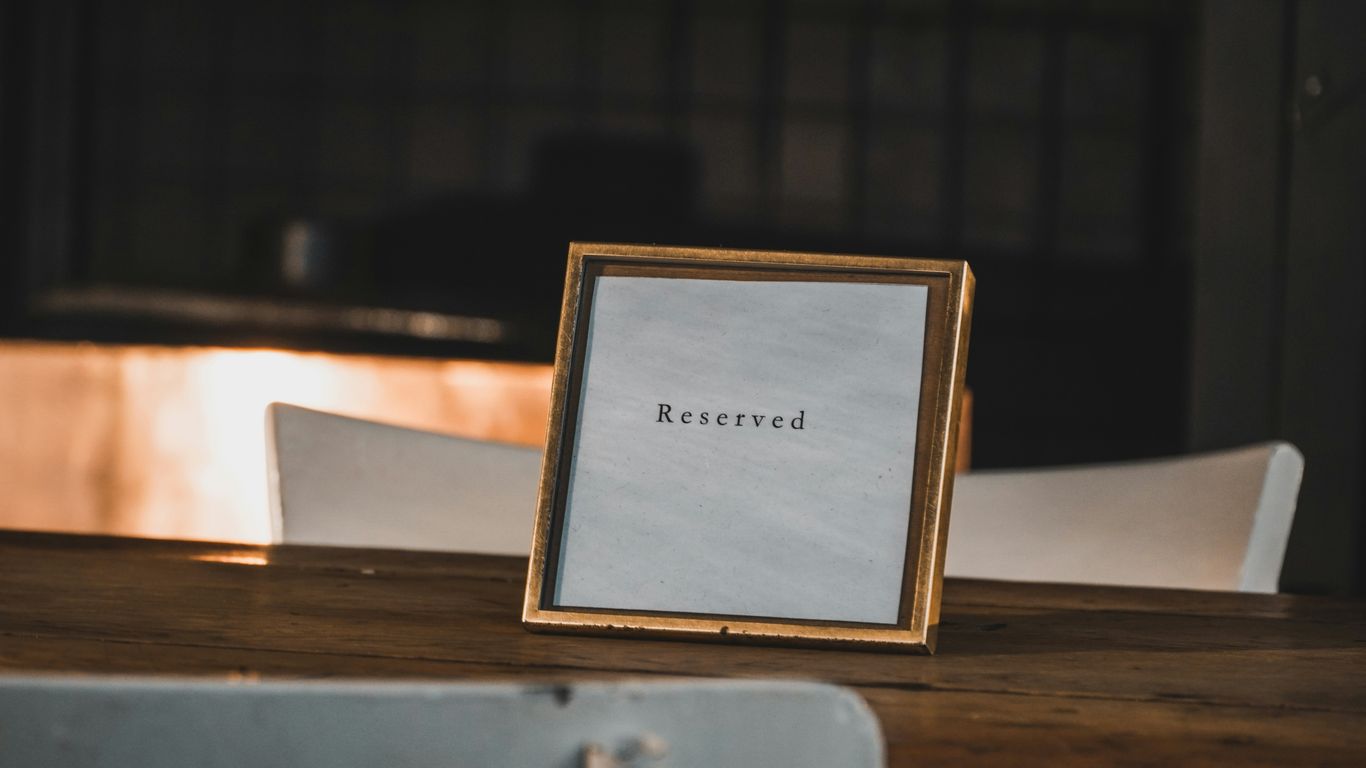
T-shape holders are designed for freestanding use, providing a balanced look that is ideal for queues or table ends. These units are highly effective in retail spaces where you need to communicate to customers approaching from either direction.
Maximising brand visibility with double-sided design
Using a double-sided display ensures your message is never missed, regardless of which way the customer enters the aisle. This dual-purpose advantage is a common strategy when implementing LED signage or standard posters.
Where to use freestanding t-frames in retail stores
Freestanding frames excel in wide open spaces like checkout counters or promotional display tables. They work well when you need to customise your display to showcase temporary price drops or seasonal information.
Balancing footprint with signage size
While larger stands provide more surface area for text, they require a sufficiently stable base for safety. It is important to match your acrylic display size with the weight capacity of your surface to avoid accidental tipping.
Ease of content updates for rapid promotions
Retailers often rotate posters throughout the month, making simple swap-in mechanisms a necessity. Consider these steps to keep your promotional updates efficient:
- Remove the old poster from the side slit.
- Wipe the inside panels with a dry microfibre cloth.
- Insert your new promotional sheet carefully.
- Ensure the edges are fully tucked into the frame.
Consistent updates keep your retail space feeling fresh and encourage return visits from your local customers.
Advantages of slanted sign holders for customer engagement
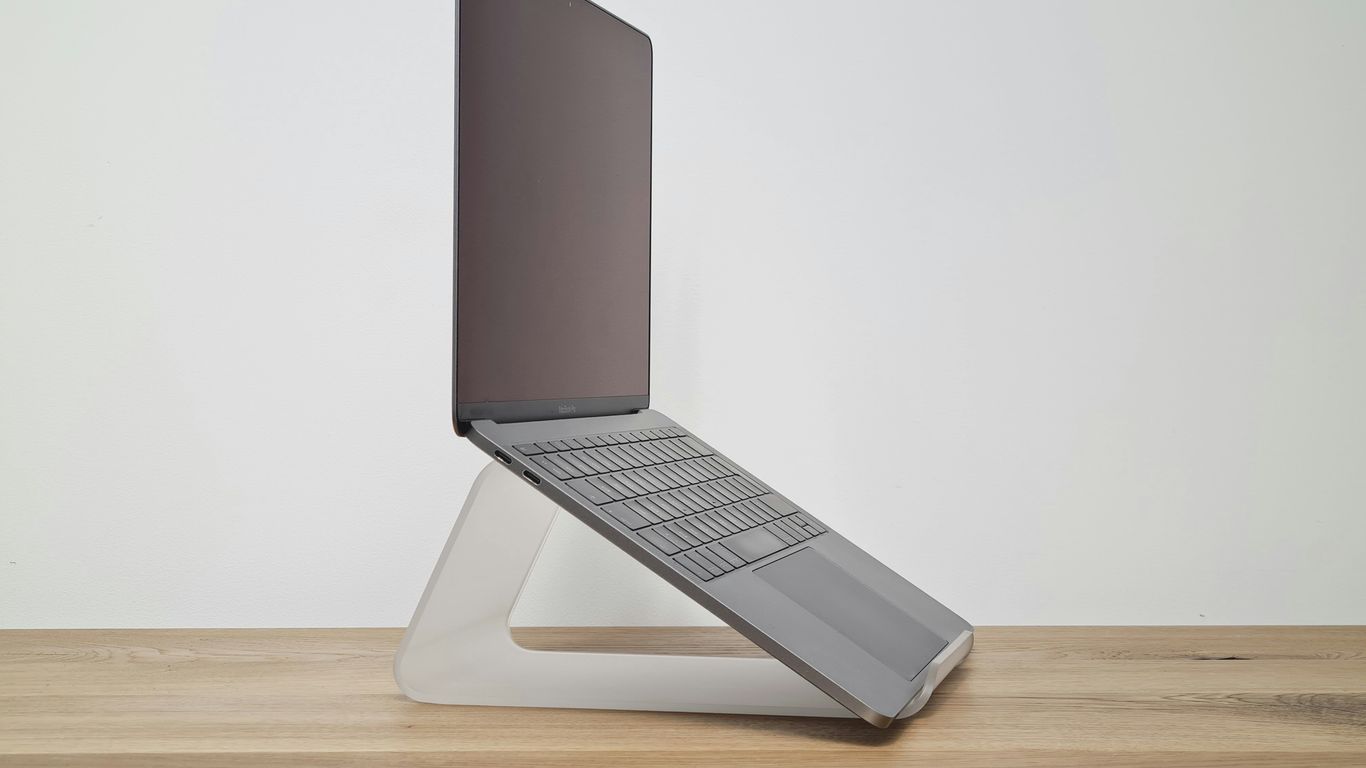
Slanted holders are arguably the most popular choice for desk-mounted signage where the interaction happens at arm’s length. By tilting the document, these holders align text with the natural angle of human vision.
Optimising readability for eye-level viewing
When a sign is placed on a short stool or low table, a slant ensures the customer can read it without bending their necks awkwardly. This is a common design tip often used when prioritising sign placements to improve customer convenience.
Ergonomic benefits for reception desks and booths
Reception staff can benefit from clear holders that do not obscure their view of pending visitors. Using refined materials, you can create a professional atmosphere while keeping essential information visible for every guest.
Why the tilted angle attracts more attention
Objects that are angled toward the viewer create a sense of direct communication, making the content feel more personalised. It is a simple trick to grab passing attention in busy clinics or lobbies.
Comparing fixed versus adjustable viewing angles
Fixed-angle stands provide durability, whereas adjustable options offer convenience. For professional acrylic signage, fixed stands are usually preferred in public areas due to their lack of moving parts which could break under sustained use.
Selecting the right acrylic sign holder for your environment
Choosing the right equipment depends largely on where your displays will live and how heavily they will be used. Professional services like Acrylic.my can assist in selecting the best thickness and material type for your specific commercial environment.
Assessing the impact of traffic and footfall
High-traffic aisles require tougher stands with a wider base to resist bumps. Using custom acrylic solutions allows for bespoke sizing that fits odd-shaped corners or narrow counters perfectly.
Choosing between portrait and landscape orientations
Orientation should match the visual flow of your document. A landscape view is often better for wider, promotional graphics, whereas portrait works well for lists and detailed information.
Fitting signage into branded or professional settings
Your display should complement your office decor rather than compete with it. Incorporate elements like 3D acrylic letters nearby to unify the look if you are creating a branding display wall.
Determining if you need bulk quantities or bespoke options
If you are planning a large rollout for a business, bulk sourcing reduces costs and keeps your store aesthetic consistent. Don’t forget that our sales team is available to discuss customisations that go beyond standard stock sizes.
Maintenance and care for long-lasting displays

Acrylic, while durable, requires specific care to prevent permanent hazing or micro-scratches. Proper handling will ensure your investment remains crystal clear year after year.
Recommended cleaning solutions for clear acrylic
Use room-temperature water mixed with a mild soap for daily cleaning. Avoid ammonia-based products, as they can cause the plastic to become brittle or cloudy over time.
Avoiding common mistakes that scratch surfaces
Never use paper towels or rough sponges, as the fibres can leave tiny marks on the polished surface. Always use a clean, soft microfibre cloth maintained specifically for your acrylic displays.
Managing static and dust accumulation
Static electricity often attracts dust to plastic surfaces. Anti-static cleaners can help manage this, ensuring the frame stays clear and readable in dry indoor air.
Extending the lifespan of your sign holder inventory
Treating your holders as permanent fixtures rather than disposable goods helps you justify a higher initial investment. Keep them away from high-heat areas, such as directly next to radiators or under concentrated spotlights, to prevent warping.
Strategic placement for maximum visual impact
Effective placement turns small holders into high-conversion tools by ensuring the right eyes see your key message at the right time. Your retail signage should guide the shopper, not distract them from the products on offer.
Positioning signs at point-of-sale areas
Place promotional items in the immediate line of sight at the till. This is where small, slanted holders excel, highlighting deals that customers can easily digest during checkout.
Utilising counter edges to grab passing attention
Corners and edge-of-counter placements disrupt the "visual noise" of a shop shelf. By placing a signage holder at the end of an aisle, you catch the eye of people walking perpendicular to the shelf.
Managing visibility in dimly lit environments
If your shop lighting is low, consider edge-lit or backlit acrylic signage to ensure your message stands out. This makes your holders look modern and intentional rather than like an afterthought.
Coordinating display styles for a cohesive shop look
Choose one type of base—either all T-shape or all L-shape—to create a professional, uniform appearance. Mixing styles can make an area look cluttered, so stick to a standard style for each service zone to maintain visual calm.
Conclusion
Investing in the right acrylic sign holder is a simple yet powerful way to elevate your retail space. By selecting the correct style and maintaining your displays with care, you ensure that your messaging remains focused, professional, and entirely tailored to your shop’s needs.
Frequently Asked Questions
Is acrylic or glass better for retail displays?
Acrylic is generally preferred for retail because it is shatter-resistant and significantly lighter than glass. These features make it safer for busy public environments and more cost-effective for frequent rearranging.
How thick should my acrylic sign holder be?
Most standard holders range from 2mm to 3mm, providing a good balance between stability and flexibility. For larger displays that need to hold heavy cards, thicker sheets may be required to prevent bowing.
Can I use acrylic holders outdoors?
While high-quality acrylic is durable, standard indoor sign holders are not weather-sealed and may degrade under intense UV exposure or moisture. Outdoor signage requires specialised materials and different mounting methods.
Why does my acrylic holder look cloudy?
Cloudiness is often caused by cleaning with ammonia-based cleaners or rough abrasive materials. Once micro-scratches form, they can trap dust and create a permanently hazy appearance that is difficult to fix.
What is the difference between l-shape and t-shape holders?
L-shape holders are designed to stand on a flat surface and are usually viewed from the front, making them ideal for placement against flat backboards. T-shape holders are weighted in the centre, allowing them to stand freely and display content on both sides.
How do I prevent my acrylic signs from tipping?
Ensure your signage matches the size rating of the stand. If you are placing a very tall poster in a small base, it will lose stability; always use a wider or heavier base for larger information sheets.
Which orientation is best for promotions?
Landscape orientation is generally better for promotional banners and wide imagery, as it aligns better with how we read digital screens. Portrait orientation is superior for longer informational text, such as menus or safety notices.