Key Takeaways
Creating a high-quality display requires careful planning before you commit to a specific design. These five points will help ensure your final product meets your exact needs.
- Precision in measurement separates standard containers from professional-grade display solutions.
- Acrylic thickness primarily influences both the structural integrity and the aesthetic impact of your box.
- Choosing between clear or frosted finishes changes how light interacts with your displayed items.
- Polished edges create a high-end look compared to factory-cut or rough finishes.
- Secure base and lid configurations are essential for protecting fragile or valuable contents from dust and debris.
1. Measuring for accurate external and internal dimensions
When you request a custom acrylic box, distinguishing between external and internal dimensions is crucial. Many beginners forget that the thickness of the material significantly reduces the available space inside once the panels are joined. You should always measure your item to be displayed and add a small tolerance margin to allow for easy placement and removal without scratching the sides.
Think about the desired wall thickness when calculating your cutting list. If you need an exact internal volume, you must add the width of the acrylic panels to your internal target dimensions to reach the correct outer footprint. Skipping this step often leads to a case that is physically too small, rendering it useless for your specific object.
Beyond simple width and height, consider the weight and stability of the item. Larger boxes require higher clearance to ensure the item feels visually proportionate and comfortable, rather than cramped and suffocating. Taking a moment to sketch your dimensions on paper first can prevent expensive manufacturing errors that arise from visualising scale incorrectly.
2. Selecting the appropriate acrylic thickness

Choosing the right grade of material is vital for bespoke acrylic fabrication. A thin sheet might look delicate and aesthetically pleasing for small jewellery, but it lacks the rigidity required for larger, self-supporting boxes. If the span of your box walls is large, consider going thicker to prevent bowing or flexing under its own weight over time.
Material thickness also impacts how the piece feels to the touch and how it catches the light. Standard thicknesses usually range from 3mm to 6mm for most display applications, with 3mm being sufficient for small countertop pieces and 5mm+ offering a more premium weight. Heavy-duty items, meanwhile, may demand significantly thicker panels to remain stable and avoid warping.
It is worth balancing your budget against the intended use of the box. While thicker acrylic costs more per square metre, it provides a much more secure and durable feeling that adds long-term value to your investment. If you are ordering personalised perspex containers, be sure to discuss stability requirements with your provider to ensure the choice supports the structure of your object.
3. Choosing between standard clear and specialised acrylic types
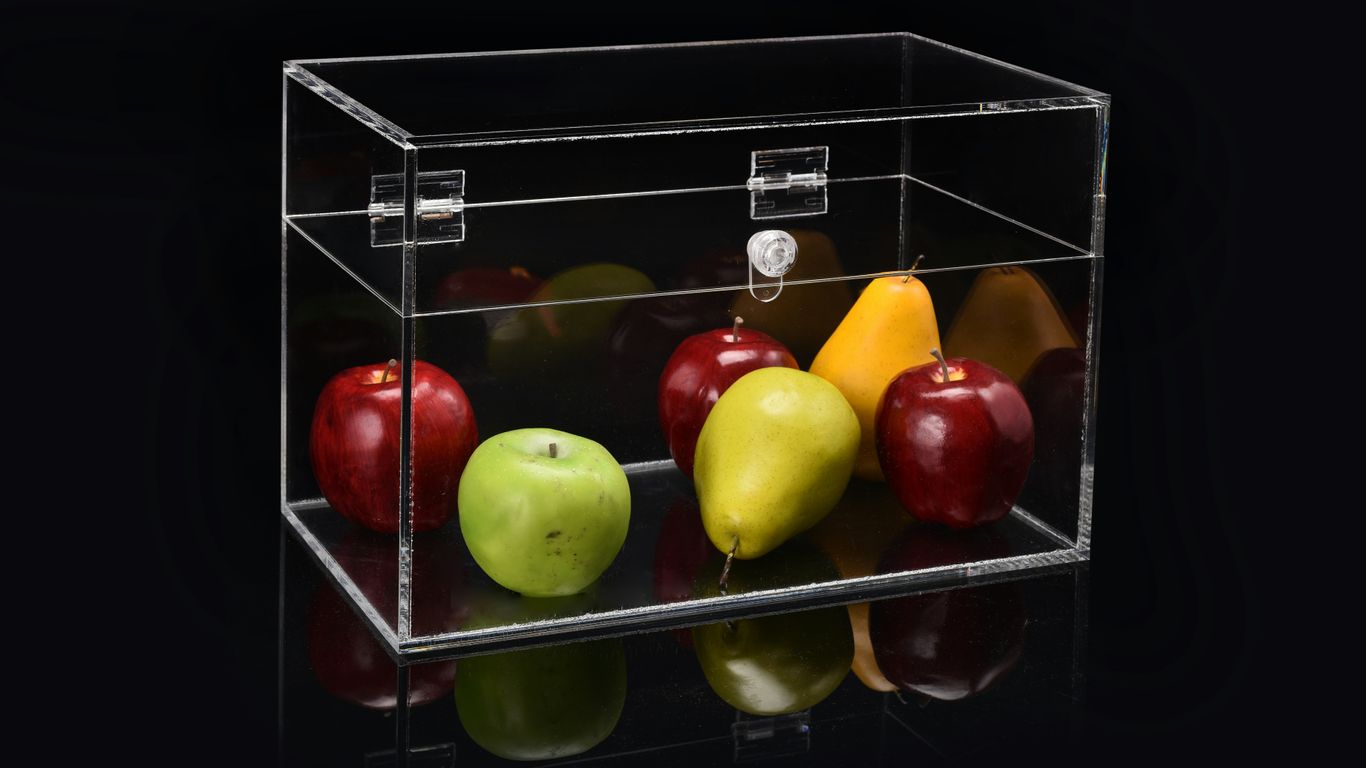
Most buyers default to standard clear, which offers near-perfect transparency, making it the ideal choice for bespoke clear display cases where you want the focus entirely on the contents. However, transparent material reveals every blemish inside, so consider the level of cleanliness your display area maintains. Regular wiping is a small price to pay for such stark visual clarity.
Specialised acrylic types, such as frosted or tinted sheets, offer distinct aesthetic alternatives. Frosted acrylic diffuses light beautifully and hides dust or fingerprints, making it a clever choice for high-traffic retail spaces. Tinted or light-filtering acrylics can also be used to create dramatic lighting effects, adding a touch of sophistication to your acrylic display box design guide project.
Consider also the environment where the box will live. Outdoor sunlight or harsh gallery lighting might necessitate specific finishes that reduce glare or UV interference. By selecting the right base material—whether it is naturally transparent or intentionally textured—you can curate the atmosphere of your display long before you insert your items.
4. Evaluating edge finishing and polishing techniques
Edge quality is often the hidden indicator of a professional build. Standard laser-cut edges offer a smooth, clean aesthetic, but flame polishing or mechanical buffing can elevate your box into a truly premium acrylic display. When evaluating these finishes, consider the following guide to help you decide how much refinement your budget and display goals require.
| Finishing Type | Visual Impact | Recommended Use |
|---|---|---|
| Laser-Cut Edge | Clean and sharp | Small boxes, budget projects |
| Flame Polished | Glass-like clarity | Luxury retail or display |
| Buffed Edge | Perfectly smooth | Museum or high-end art |
Selecting the right finish is an aesthetic choice that changes how the light enters and exits the box. Polished edges give the box a unified, cohesive appearance that highlights the high-quality bespoke acrylic fabrication standards achieved by our shop. Without this final touch, edges may appear slightly hazy or retain faint markings from the cutting process.
If you are striving for a sleek, modern, or high-end look, prioritize polishing wherever possible. It transforms the edges from mere structural seams into decorative highlights that define the shape of your display. Taking this extra step ensures the final container feels like a single, cohesive piece of design rather than just a collection of separate plastic sheets.
5. Configuring your base and lid design
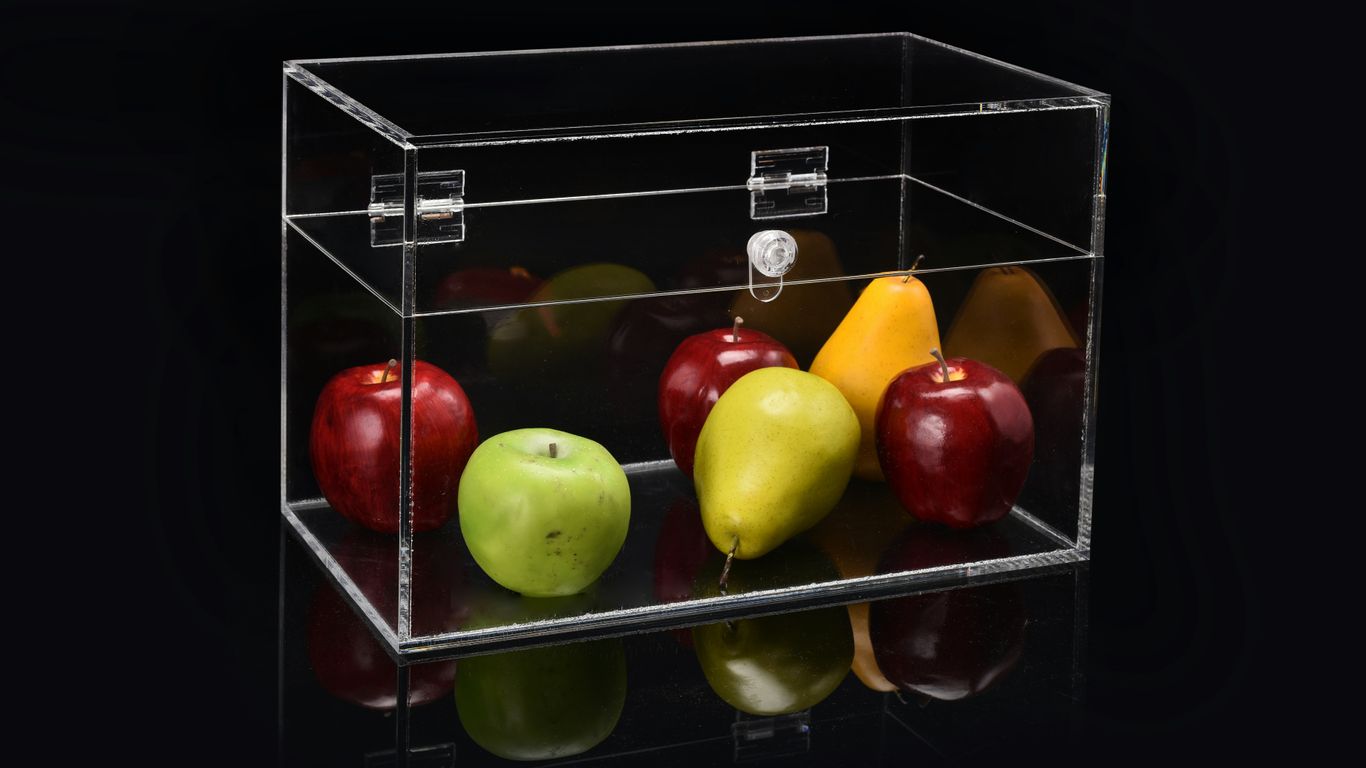
How you access your items determines whether you need a fixed base, a sliding top, or a fully removable lid. Configuring the top correctly is as much about functionality as it is about protection from dust. A simple drop-over cover is often the easiest to manage, but it provides less security than a lid that fits snugly against the walls with a precision rebate.
There are several aspects of your lid and base configuration to weigh before you finalise your order to ensure the box serves its purpose efficiently:
- Sliding tracks allow for frequent access without removing the entire lid assembly.
- Magnetic latches offer a subtle way to keep lids securely fastened to the base.
- Removable lids provide complete access but require a designated spot to place them when open.
- Floating bases can be used to elevate items and hide mounting points or wiring.
If your needs are functional, consider the layout of the display itself carefully. A custom acrylic box needs to facilitate interaction if it contains frequently used items, whereas a piece meant for a permanent collection can benefit from a more secure, sealed-base design. Focus on how you will use the box day-to-day to avoid choosing a configuration that becomes a frustration.
6. Reviewing joinery methods for long-term durability
Strong joinery is the secret to a long-lasting and reliable container. While solvent welding is the industry standard for creating clear, strong, and virtually invisible bonds between panels, the preparation work remains vital. An experienced fabricator will ensure the edges are perfectly square and chip-free before the bonding agent is applied, creating a virtually seamless connection that resists pulling or snapping.
Consider how the box will be transported or if it will be moved regularly. While solvent-bonded corners are remarkably strong, they can be vulnerable to high-impact stress if not braced correctly. If your display involves heavy weights, inquire about internal reinforcement or chamfered edges that allow for more bonding surface area, increasing the overall strength of the joint.
Do not overlook the aesthetic of the seam during the design phase. A well-executed bond should be completely transparent, allowing light to travel through the join without refracting or clouding. By prioritising quality bonding techniques, you ensure your investment doesn’t just look great initially, but stands the test of time years down the road.
7. Considering UV-resistant materials for item protection
If you are displaying art, textiles, or any collectibles sensitive to light degradation, UV-filtering acrylic is non-negotiable. Standard acrylic offers decent protection, but specialised UV-resistant sheets are engineered to block harmful rays that cause permanent discolouration. This is the difference between your items looking pristine for decades and them fading rapidly in a sunny display window.
Even in non-direct sunlight, ambient indoor light can eventually degrade delicate pigments or materials over a long duration. Investing in protective grades of material is a sensible precaution for anyone committed to preservation. It is a one-time cost that essentially acts as an insurance policy for your collection, preventing expensive damage that cannot be reversed.
Talk to your fabricator about the spectrum of protection available for your project. Many high-quality materials provide excellent visual clarity while maintaining a barrier that absorbs almost all damaging ultraviolet energy. By integrating this into your customised acrylic boxes strategy early, you can enjoy peace of mind knowing your valuable items are guarded against environmental hazards.
8. Exploring custom branding and engraving opportunities
Customisation is the final stage that turns a functional item into a branded piece of marketing. From elegant laser-engraved logos on the base to UV-printed text on the side panels, there are many ways to make acrylic storage solutions made to order feel uniquely yours. Consider how branding aligns with your professional image—often, a subtle, understated logo placed discreetly adds more impact than a large display.
Think about how your logo texture interacts with your chosen acrylic finish, whether it is clear, frosted, or tinted. Laser engraving creates a tactile, precise mark that stands out well against the clarity of the material. Meanwhile, printing allows for full-colour reproduction, perfect for complex logos or specific corporate branding colours that require a high degree of fidelity and brand recognition.
Communication with your design team is paramount here. Provide high-resolution vector files for your engraving or printing needs to ensure the cleanest possible execution. By layering these small visual details into your order, you help reinforce your brand identity while maintaining the sleek, minimalist look that makes acrylic such an effective choice for modern displays.
Conclusion
Designing the perfect display piece is a balance of precision, material knowledge, and thoughtful configuration. By carefully weighing the requirements of your space and the specific protection needs of your items, you will arrive at a solution that is both functional and aesthetically striking. A well-planned project reduces the likelihood of costly revisions, ensuring that your final piece arrives exactly as you imagined and serves its purpose for years to come.
Frequently Asked Questions
Can I use acrylic boxes for outdoor displays?
Yes, acrylic can endure outdoor conditions, but you must opt for high-quality, UV-stable grades to prevent yellowing. Ensure the structure is securely fastened and designed to prevent water pooling or debris accumulation inside the box.
Is acrylic stronger than glass for display cases?
Acrylic is significantly more impact-resistant and roughly half the weight of traditional glass. While it is more prone to scratching, its superior durability during transport and handling makes it a practical choice for most common display and storage environments.
How should I clean my acrylic box to avoid scratches?
Use a soft, microfibre cloth and a mild soap-and-water solution to gently wipe the surface. Avoid household glass cleaners, as harsh chemicals can cause the plastic to craze or crack over time. Always avoid paper towels or coarse fabric that can drag dust across the surface and cause micro-scratches.
What happens if my box develops small scratches?
Many surface scratches can be buffed out using a specialised acrylic polish or a light plastic restorer. This process involves a gentle abrasive to smooth the plastic surface, bringing back the high-gloss shine and restoring that original factory finish.
Does the material colour affect the price of the display?
Specialised materials, such as coloured, tinted, or specialty-finish acrylics, are generally more expensive than standard clear sheets. Furthermore, the fabrication of these materials requires different handling and storage considerations, which can influence the final project quote.
Are custom acrylic boxes stackable?
Many custom designs can be engineered for stacking, provided the design plans for sufficient structural support at the weight-bearing points. Discuss your intent to stack the boxes with your fabricator during the initial design phase to ensure the thickness and joinery can handle the weight.
Can I add LED lighting to an acrylic box?
Adding integrated LED lighting can dramatically enhance the appearance of a display box. It is best to incorporate this into the design early, as you will need to plan for routing the cables or installing battery-powered light strips so they remain hidden from view.